
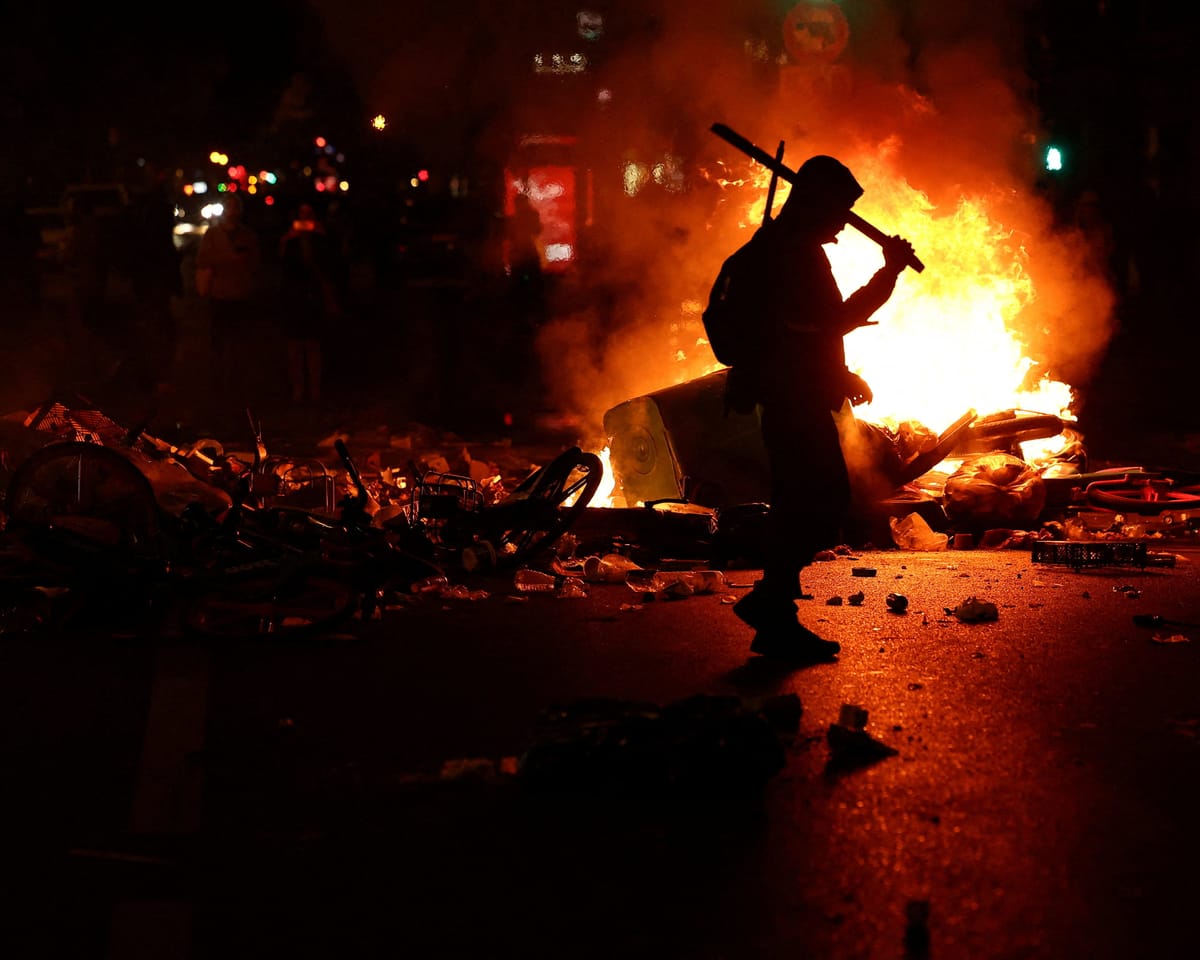
France’s Prime Minister has directed regional authorities to consider implementing partial curfews in certain cities following an admission by the government that police lost control during violent protests over the weekend. Sébastien Lecornu stated after an emergency cabinet meeting that he was determined to restore public order and suggested local and partial curfews might be necessary, though he ruled out city-wide curfews like in Paris.
Lecornu mentioned that a state of emergency could be considered, but believed partial curfews were more suitable at this time. He did not specify which cities would be affected or the details of the curfews.
These comments followed France’s interior minister, Laurent Nuñez, acknowledging that police were unprepared for the protests, with inadequate numbers to manage rioters and looters. Nuñez admitted that intelligence had underestimated the number of demonstrators, expecting 200,000 but seeing over 500,000 instead. This led to peaceful protests being overtaken by some of the most violent unrest in recent years.
Nuñez offered his resignation to President Emmanuel Macron, taking responsibility for the situation, but Macron declined it, asking for transparency and a review of planning and intelligence failures. The protests come amid economic pressures and are part of ongoing high school student demonstrations marked by clashes with police.
Public buildings and shops were attacked, with around 2,000 shops looted. Nearly 2,400 arrests were made, with a majority being adults, and almost 1,000 security personnel injured. Despite deploying 60,000 police, control over organized violent groups in cities like Paris, Marseille, and Lyon was insufficient, admitted Nuñez.
Justice Minister Gérald Darmanin noted intelligence failures, emphasizing the need for good intelligence in policing. Macron's office announced a review of security measures and tasked Nuñez with implementing new operational methods for combating rioters.
Riots and looting continued into Sunday, with Paris seeing further targeted shops and arrests. Paris Mayor Emmanuel Grégoire criticized the state for failing in maintaining public order, highlighting the lack of political solutions to the ongoing protests. Marseille Mayor Benoît Payan described the situation as threatening the Republic’s foundations, criticizing the government’s response as inadequate.
Protests continued with demonstrators blocking the Louvre Museum in support of high school students, denouncing police actions. The museum remained closed due to the protest. Macron criticized the violence in a televised address, allowing local bans on demonstrations but avoiding drastic measures like a state of emergency or curfews. The protests focused on the high cost of living, a concern echoed in demonstrations across other European countries.
Read next
Kenya's Latest Ebola Case Exposes Gaps in U.S. Health Services Following Trump's Budget Cuts
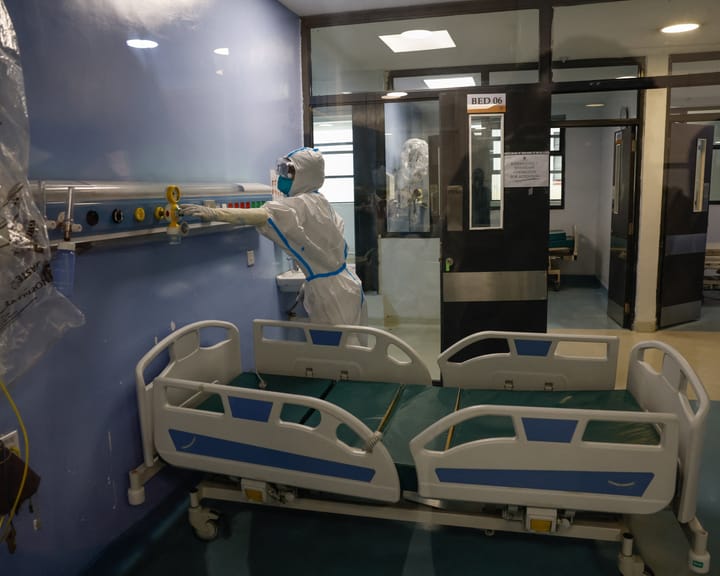
In Kenya, a third individual has tested positive for Bundibugyo ebolavirus, marking the nation's first cluster of Ebola cases. This development occurs as the second-largest Ebola outbreak in history continues to impact the region, resulting in over 4,300 deaths and more than 9,000 infections.
The
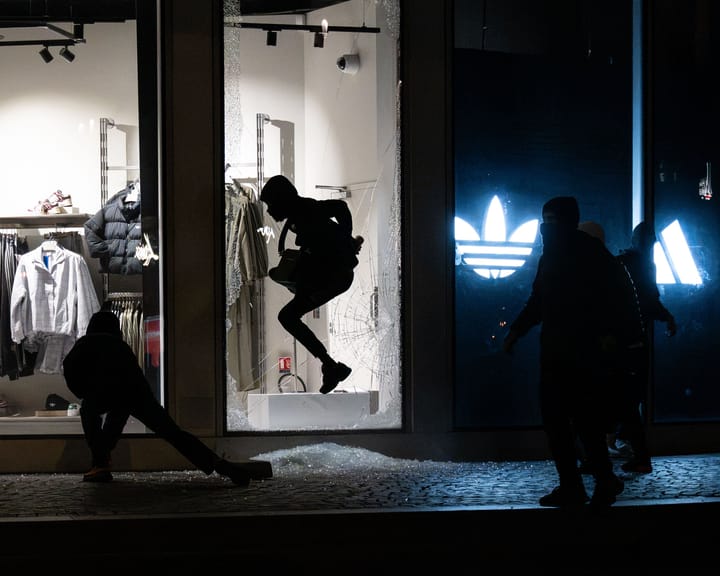
France in Chaos as Looting Extends into Second Night: 'War Zone' Descriptions Abound
In the early hours of Monday, two motorbikes carrying passengers each stopped at a traffic light in a backstreet near Paris's bustling rue de Rivoli. One rider remarked to the other about targeting areas with high foot traffic and elaborate shop windows. Shortly thereafter, ten men wearing ski
Albania Criticized for Hastily Approving Trump-Linked Resort in Once-Protected Area
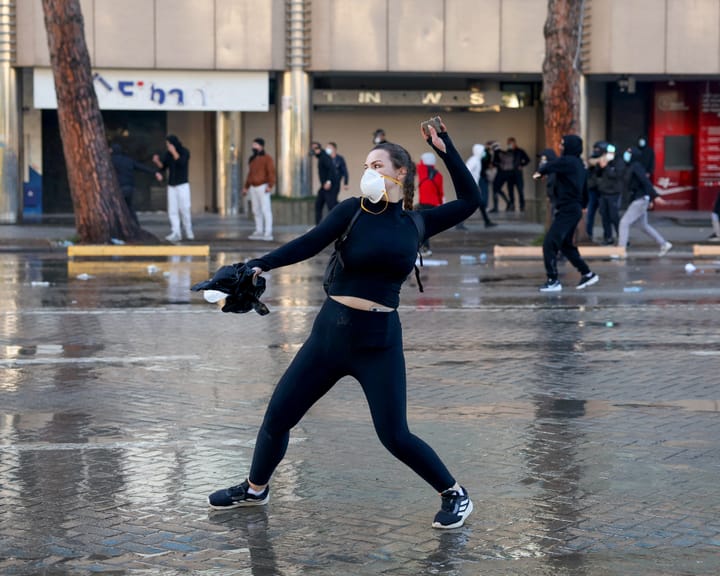
Albania Faces Protests Over Controversial Resort Project
Albania is witnessing escalating protests due to the government's push to fast-track a luxury resort project linked to U.S. President Trump's family, despite widespread opposition. The project, championed by the prime minister Edi Rama, has sparked significant