
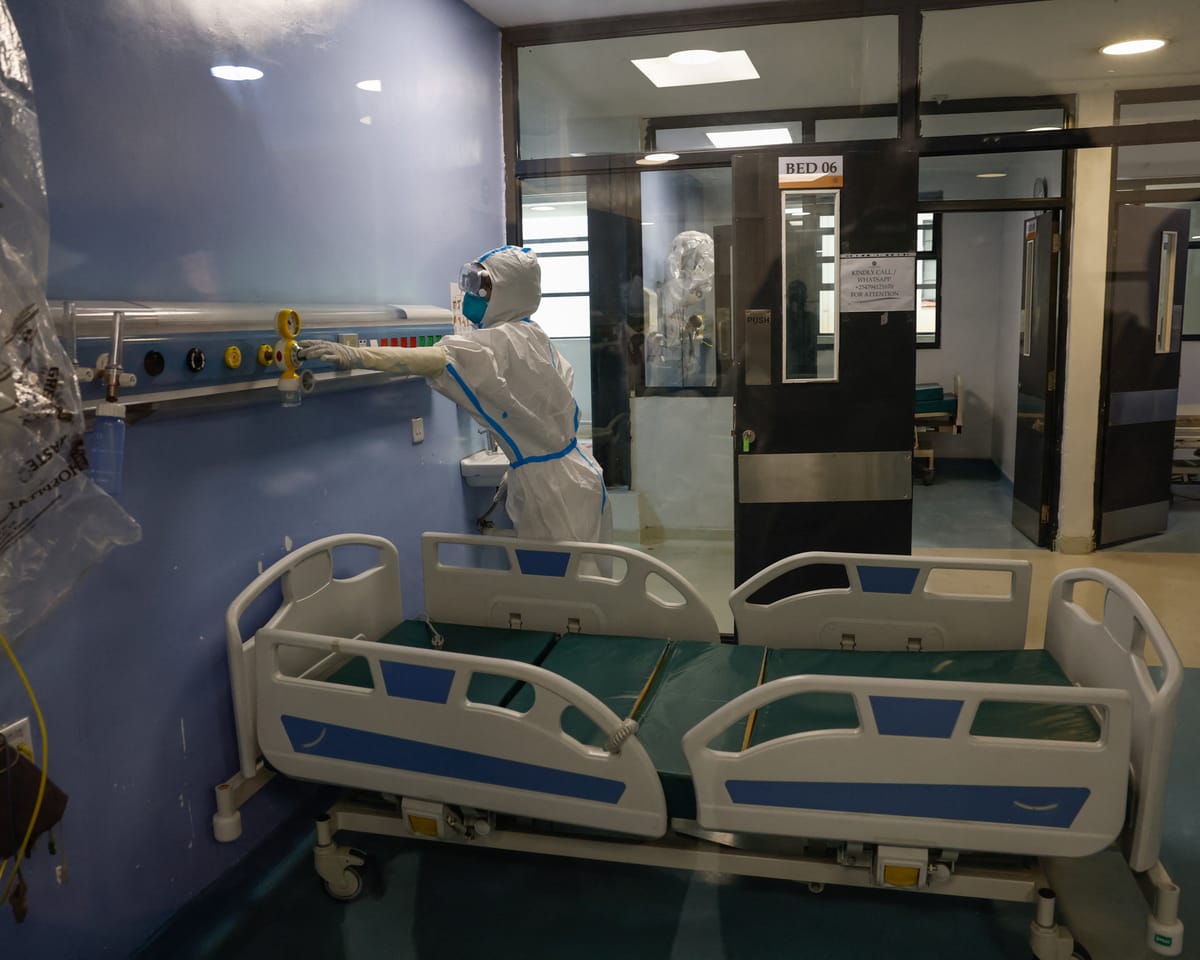
In Kenya, a third individual has tested positive for Bundibugyo ebolavirus, marking the nation's first cluster of Ebola cases. This development occurs as the second-largest Ebola outbreak in history continues to impact the region, resulting in over 4,300 deaths and more than 9,000 infections.
The situation underscores the reduced involvement of the United States in managing the Ebola outbreak. The U.S. faced criticism for establishing a controversial quarantine center at Kenya's Laikipia airbase, intended for Americans returning from the Democratic Republic of the Congo. The local opposition to this center has fueled distrust in the Kenyan government, leading to protests and a court order halting its operations.
"The lack of information regarding the quarantine center stirred significant concern among Kenyans," noted Allan Maleche, executive director of the Kenya Legal & Ethical Issues Network on HIV and Aids (Kelin). The issue is set to be resolved in court by November. Meanwhile, skepticism persists in Kenya concerning government communication about Ebola, according to Maleche.
Concerns have been raised about the U.S. legal authority to quarantine its citizens on foreign soil and whether this approach is safe or practical for both Americans and the Kenyan government, especially as Kenya reports its initial Ebola cases. Jennifer Nuzzo, director of the Pandemic Center at Brown University's School of Public Health, questioned the viability of the U.S. quarantine center, highlighting the availability of "world-class" Ebola treatment units in the U.S., which have been used in prior outbreaks without further virus transmission.
Recent cuts to U.S. health support globally, including the downsizing of the US Agency for International Development (USAID) and reductions at the Centers for Disease Control and Prevention (CDC), have further complicated the situation. For instance, the CDC has closed HIV prevention offices in Angola and South Sudan, with plans to close more. These cuts have led to clinic closures and increased anxiety among the affected populations, according to Maleche.
The U.S. withdrawal from the World Health Organization (WHO) in January has also hindered global collaboration in managing health crises. The exit resulted in significant funding cuts to the WHO, weakening its response capabilities.
A Kenyan man, who fell ill in the Democratic Republic of the Congo, traveled to Nairobi and died shortly after. Subsequent investigations confirmed two additional cases, linked as close contacts. Despite concerns over lapses in travel restrictions, Kenya's Ministry of Health has acknowledged the success of its contact tracing and quarantine efforts, with approximately 108 individuals quarantined.
The broader concern remains how other countries will react to Kenya's outbreak, particularly regarding potential travel bans. The U.S. had previously imposed travel bans on DRC, Uganda, and South Sudan following the outbreak's detection. Senator Raphael Warnock and Senator Bill Cassidy criticized the U.S. government's cuts to global health funding, asserting that these actions have weakened outbreak preparedness and international disease monitoring.
Nuzzo emphasized the importance of maintaining a presence in affected regions to detect health threats early. She suggested that existing health infrastructure, such as HIV prevention programs, could be adapted to address other health emergencies, benefiting both local populations and international health security.
Read next
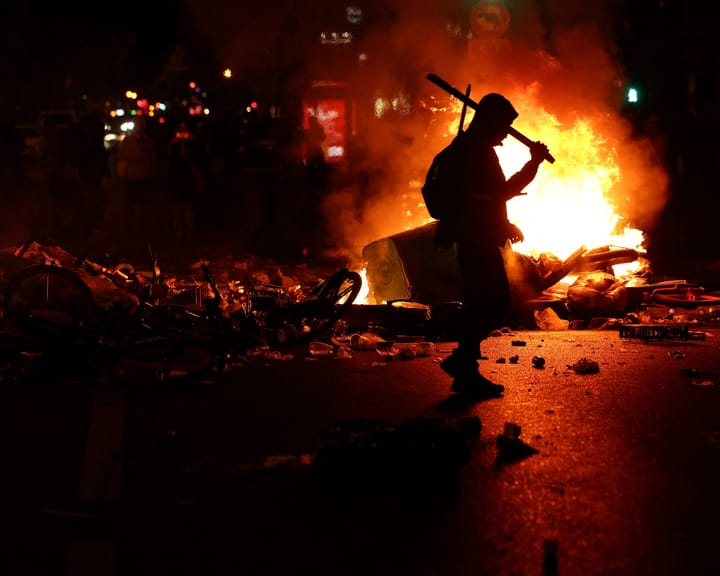
Interior Minister Admits French Police Lost Control Amid Riots
France’s Prime Minister has directed regional authorities to consider implementing partial curfews in certain cities following an admission by the government that police lost control during violent protests over the weekend. Sébastien Lecornu stated after an emergency cabinet meeting that he was determined to restore public order and suggested

France in Chaos as Looting Extends into Second Night: 'War Zone' Descriptions Abound
In the early hours of Monday, two motorbikes carrying passengers each stopped at a traffic light in a backstreet near Paris's bustling rue de Rivoli. One rider remarked to the other about targeting areas with high foot traffic and elaborate shop windows. Shortly thereafter, ten men wearing ski
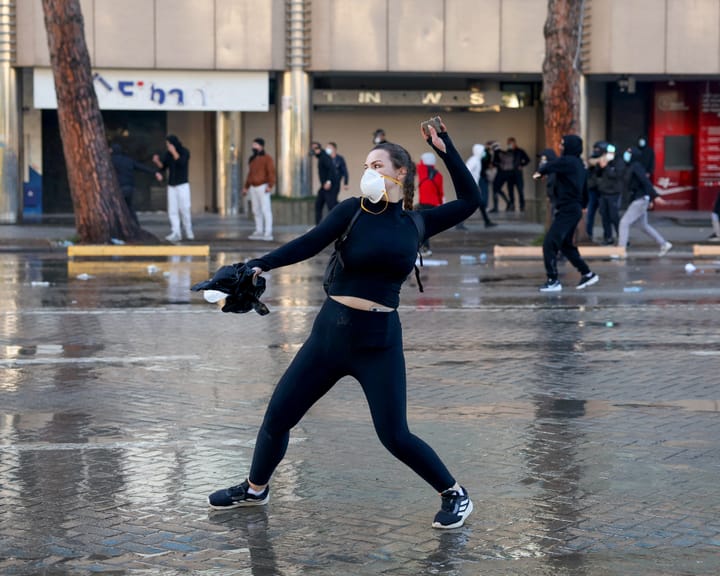
Albania Criticized for Hastily Approving Trump-Linked Resort in Once-Protected Area
Albania Faces Protests Over Controversial Resort Project
Albania is witnessing escalating protests due to the government's push to fast-track a luxury resort project linked to U.S. President Trump's family, despite widespread opposition. The project, championed by the prime minister Edi Rama, has sparked significant