
Investors have adopted a fresh rallying cry as they brace for artificial intelligence to reshape the world economy – the Halo strategy.
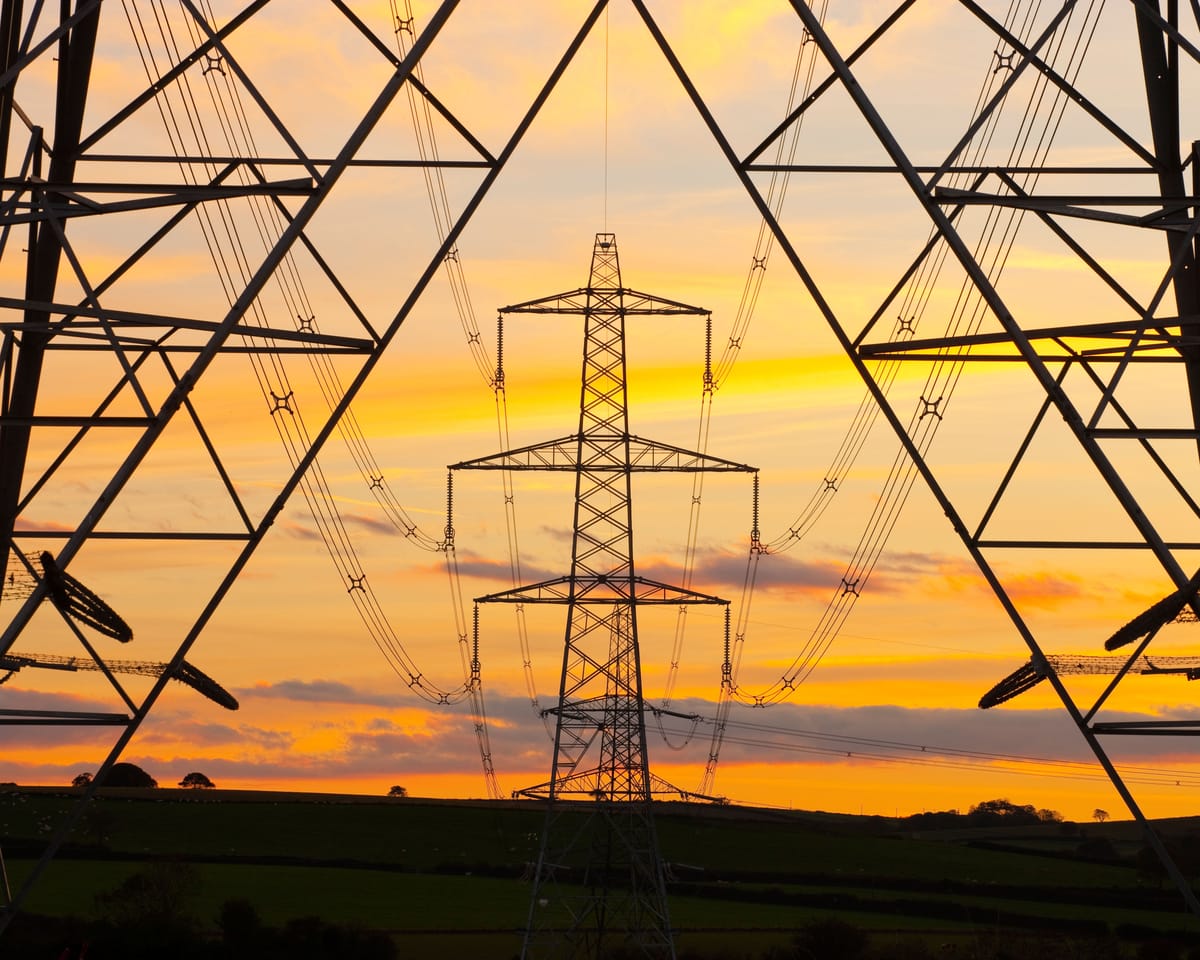
Attention to Halo – an abbreviation for “heavy assets, low obsolescence” – has grown as capital seekers look for firms that own concrete, productive resources, which may be less vulnerable to AI‑driven change, such as energy and transport infrastructure operators.
Although U.S. mega‑cap technology groups have stumbled at the start of 2026, the Halo approach helped lift British and European equity markets to new peaks by the close of February.
Goldman Sachs disclosed this week that its portfolio of more than 100 high‑spending firms outperformed a comparable set of capital‑light companies by 35 % since 2025, as “asset intensity becomes a key driver of valuations and returns”.
“After more than a decade of under‑investment (especially in Europe), corporations are moving decisively back toward physical assets,” Goldman analysts told clients.
Goldman described Halo enterprises as those that combine sizable physical capital – where replication barriers include cost, regulation, construction time or engineering difficulty – with long‑lasting economic relevance. “Examples are grids, pipelines, utilities, transport infrastructure, critical machinery and long‑cycle industrial capacity,” they noted.
Their analysis shows that the valuation gap between capital‑intensive and capital‑light firms in Europe has narrowed markedly, with capital‑intensive companies now receiving higher price‑to‑earnings multiples – a principal gauge of stock performance.
Ruben Dalfovo, an investment strategist at Saxo, identified energy‑infrastructure operators and oil‑and‑gas majors that control the full supply chain as Halo examples, alongside “you still need this on Monday morning” businesses such as utilities.
“Waste collection, water services and regulated power networks rarely dominate dinner‑party conversation. They appear when investors stop chasing excitement and start valuing reliability,” Dalfovo said.
The FTSE 100, which is heavily weighted toward traditional sectors, has posted a string of record highs in 2026. February was the blue‑chip index’s strongest month since November 2022 and marked its eighth consecutive monthly gain.
“Investors are shifting from pricey AI and growth stocks into companies with tangible infrastructure and durable assets – energy, materials, industrials, shipping and other ‘real‑world’ enterprises,” said Ipek Ozkardeskaya, a senior analyst at Swissquote.
“In this setting, the FTSE 100 is well placed to benefit from Halo inflows, climbing from record to record, driven by energy and mining names,” Ozkardeskaya added.
The pan‑European Stoxx 600 index also reached fresh highs last week, aided by a rotation away from U.S. technology shares toward other sectors.
Cyprus‑based oil‑tanker operator Frontline is the top‑performing constituent of the Stoxx 600 so far this year, up 57 %.
Read next
Jaguar Land Rover suppliers voice ‘everything is against us’ amid cutbacks
David Roberts, chair of Coventry-based Evtec, says the outlook for Britain’s automotive sector is grim, with “everything against us.” Evtec is a tier 1 supplier to Jaguar Land Rover, which this week announced 4,000 job cuts over two years despite chancellor John Healey’s attempt to talk

Europe’s fighter jet plans in disarray: what comes next?
When former ECB president and Italian PM Mario Draghi urged Europe to catch up economically with the US and China, defence collaboration was prescribed. No more should each nation build independent boats, tanks or jets; allies should share costs and technologies.
Europe stumbled at the first hurdle. German Chancellor Friedrich
John Healey supports growth but insists Labour must be truthful about spending
John Healey has stated that his primary goal as chancellor will be to boost economic growth, while acknowledging that Labour must be straightforward about controlling public spending at next month's budget.
In his first major address since assuming the role in July, Healey said the leading focus of