
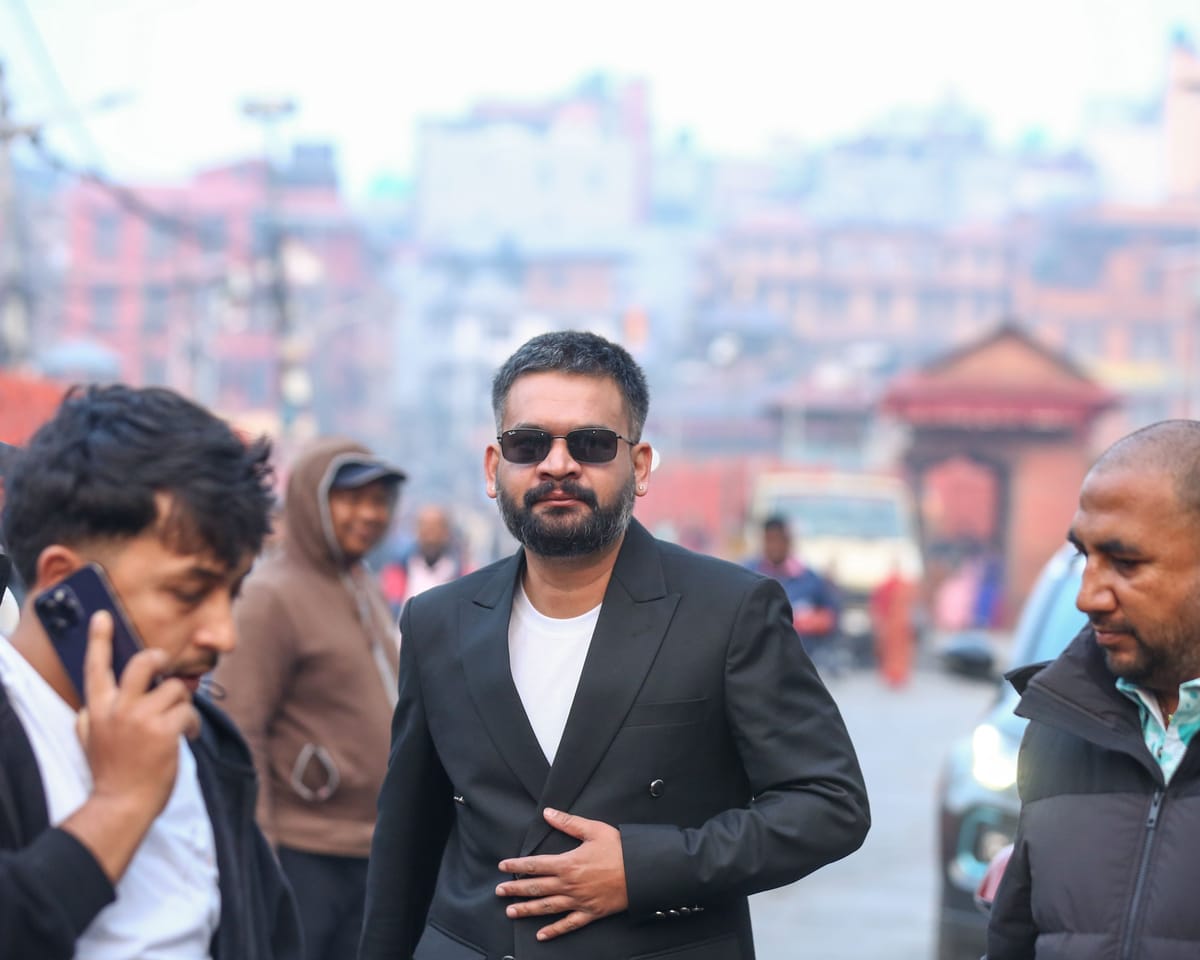
In the modest, dust‑laden streets of Damak, a rare political clash is taking shape. It pits a veteran party figure against a former rapper‑turned‑law‑maker who favors dark glasses and crisp attire, a contest that could overhaul the nation’s political landscape.
As Nepal approaches what many call its most compelling election in recent memory, the spotlight falls on Balendra Shah, a 35‑year‑old popularly known as Balen. He first gained attention as a well‑known rapper whose lyrics challenged the ruling class, later turning to public office and securing a decisive win to become Kathmandu’s mayor in May 2022.
It was only after Nepal experienced its deadliest day of protest in modern times – a Gen‑Z revolt last September against corruption and a social‑media ban that met police gunfire nationwide – that Balen rose as a widely recognised, unifying presence, especially among young Nepalis angry at a system they view as broken and unrepresentative.
The unrest and the resulting bloodshed claimed more than 70 lives and swiftly toppled the communist administration led by veteran premier KP Oli Sharma, a government long plagued by accusations of graft, nepotism and elitism.
Gen‑Z leaders initially urged Balen to assume an interim role, but he refused, choosing instead to contest the outcome through the ballot box.
“As mayor, Balen proved he could reshape governance,” said Parbat Basnet, a 24‑year‑old business graduate and one of the Damak uprising’s organizers, an event that also faced police fire.
“He might have taken an unelected seat of authority after the protests, yet he pursued the democratic route. He aims to oust corrupt officials at the polls so that both leaders and citizens rethink their attitudes.”
For many Nepalis – particularly the 46 % of the population under 24 – this week’s voting is a decisive gauge of whether the grievances that sparked the Gen‑Z movement can be turned into lasting political reform, or if the established elite will simply regain control.
Basnet noted that the uprising’s impact extends beyond the youth in this election. Nepal’s cumbersome electoral framework has locked the country into a perpetual cycle of fragile coalition governments and chronic voter fatigue; in 35 years the nation has seen 31 different prime ministers, some returning repeatedly.
“But the momentum in this vote feels different,” Basnet added.
“Even senior voters are now questioning officials: where is the promised gas pipeline? Where is the railway? Where is the development you spoke of?”
“Formerly, leaders were revered as deities. Today, citizens demand accountability.”
The most vivid illustration of this shift appears in the Jhapa‑5 constituency and its central town of Damak.
For decades, the area has served as a bastion for four‑time prime minister Oli and his Communist Party of Nepal.
Read next
Tokyo tourist hotspot outlaws short-term rentals amid complaint surge
Shinjuku Ward, Tokyo, has moved to ban short-term rental accommodations in residential areas and near schools and important cultural sites, following a slew of complaints about visitor behaviour. The decision, to be enacted through a local ordinance, marks the latest sign that Japan’s patience with mass tourism is
Canada implements retaliatory US tariffs as trade dispute intensifies
Canada’s retaliatory tariffs on about $20 billion worth of American imports took effect at 12.01am on Tuesday, ranging from 15% to 50% and applying to steel, dairy, appliances, agricultural equipment, pulp and paper, and electronics. The measures, a response to the United States’ 50% tariff on $20 billion

Prosecutor general resigns amid political turmoil in Kyiv during Ukraine war
Ukraine’s prosecutor general Ruslan Kravchenko resigned amid corruption accusations after anti-graft officers searched his offices at the weekend. He called the allegations “completely unsubstantiated” and denied wrongdoing. The National Anti-Corruption Bureau (NABu) and Specialised Anti-Corruption Prosecutor’s Office (Sapo) announced Saturday they uncovered a money-laundering