
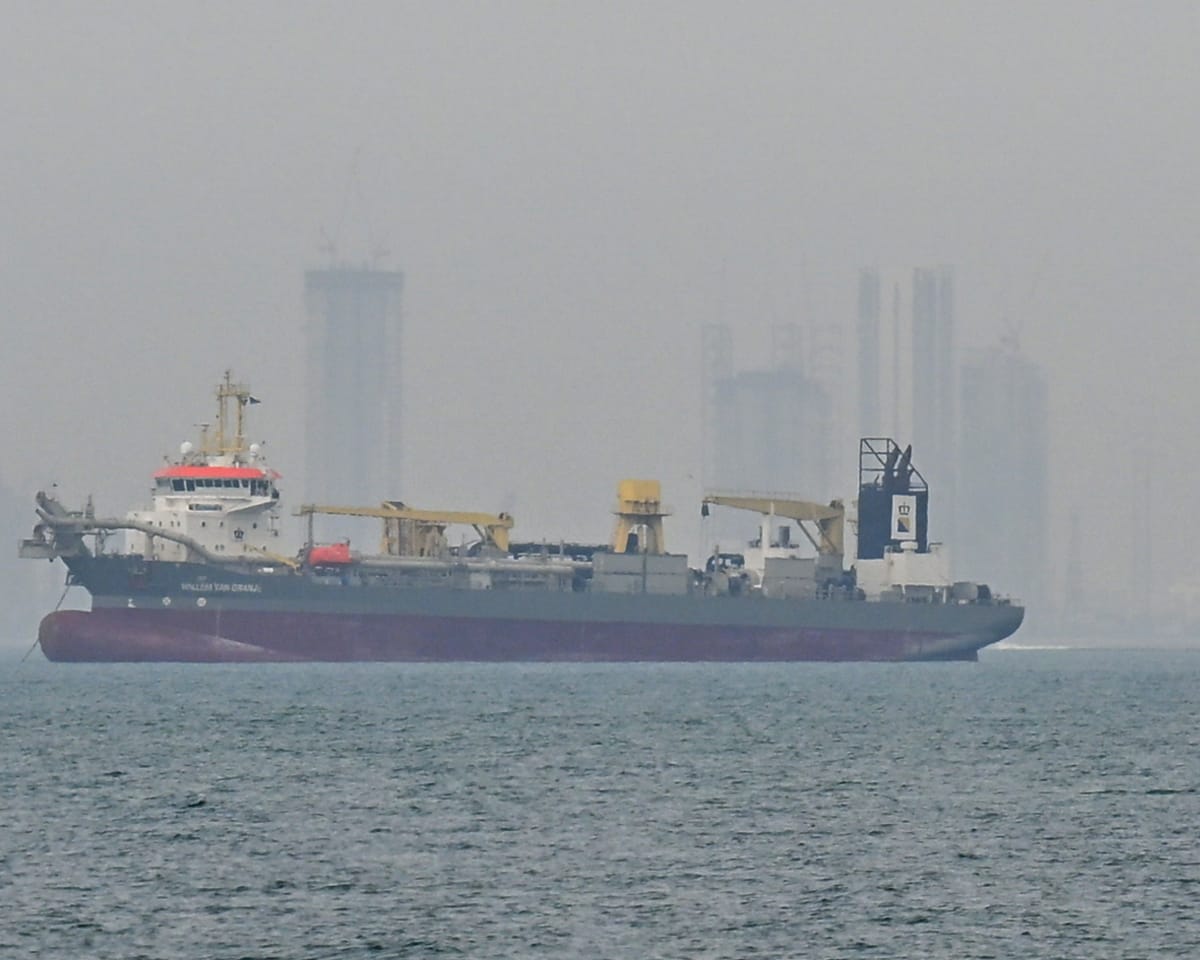
Global markets slipped further on Wednesday even though Donald Trump pledged that the U.S. Navy would escort tankers through the Strait of Hormuz and the U.S. military asserted that “not a single Iranian vessel is underway” in the strategic channel.
The Middle‑East clash has immobilised the strait, which Iran effectively shut after U.S. and Israeli strikes this weekend, sparking concerns of a prolonged energy‑supply crunch that echoed worldwide.
David Solomon, chief executive of Goldman Sachs, warned that it could take “a couple of weeks” for markets to absorb the effects of the U.S.–led military action in the area.
Asian equity markets faced fresh strain on Wednesday; trading in Seoul was halted as South Korea’s benchmark KOSPI index dropped as much as 11.3 % before settling down 7.7 %, while Japan’s Nikkei 225 slipped 3.9 % in Tokyo.
Oil prices, which have risen sharply in recent days, kept moving upward.
The U.S. military has eliminated 17 Iranian vessels, including a submarine, since Saturday, Central Command head Brad Cooper said late on Tuesday. “Today, there is not a single Iranian ship underway in the Arabian Gulf, Strait of Hormuz, or Gulf of Oman,” he stated in a video briefing.
Shipping through the Strait of Hormuz – a key conduit for the global economy, carrying roughly one‑fifth of oil and gas cargoes – has largely come to a standstill.
Trump aimed to allay worries about a lasting disruption to the world oil market on Tuesday, indicating that the U.S. forces were prepared to safeguard ships transiting the strait and that vessels could obtain political‑risk coverage.
“If needed, the United States Navy will start escorting tankers through the Strait of Hormuz as soon as possible,” the president wrote on his Truth Social platform. “Regardless, the United States will guarantee the free flow of energy to the world.”
Brent crude, the international oil benchmark, has surged this week as investors brace for major supply interruptions. The contract, which closed at its highest level since January 2025 on Tuesday, rose another 1.4 % on Wednesday to $82.53 a barrel.
The United Kingdom Maritime Trade Operations reported receiving notices of incidents involving ships near the United Arab Emirates and Oman on Tuesday, amid heightened anxiety over threats to vessels in the region.
Wall Street was poised to open lower in New York on Wednesday, according to pre‑market data. Trump is known to track U.S. market performance closely, often citing gains as proof of his administration’s success.
“I’m actually surprised that the market reaction has been more benign given the magnitude of this,” Solomon said in a speech in Sydney on Wednesday, observing that markets usually respond modestly to geopolitical events unless they have direct economic consequences.
Read next
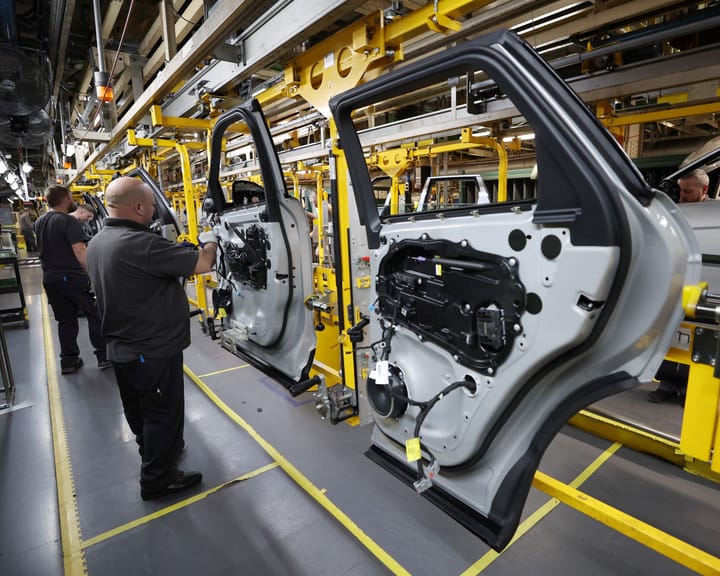
Jaguar Land Rover suppliers voice ‘everything is against us’ amid cutbacks
David Roberts, chair of Coventry-based Evtec, says the outlook for Britain’s automotive sector is grim, with “everything against us.” Evtec is a tier 1 supplier to Jaguar Land Rover, which this week announced 4,000 job cuts over two years despite chancellor John Healey’s attempt to talk
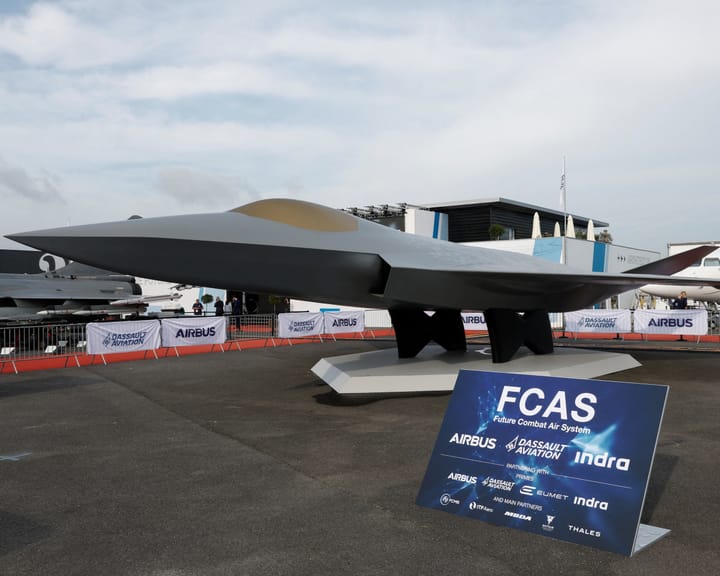
Europe’s fighter jet plans in disarray: what comes next?
When former ECB president and Italian PM Mario Draghi urged Europe to catch up economically with the US and China, defence collaboration was prescribed. No more should each nation build independent boats, tanks or jets; allies should share costs and technologies.
Europe stumbled at the first hurdle. German Chancellor Friedrich
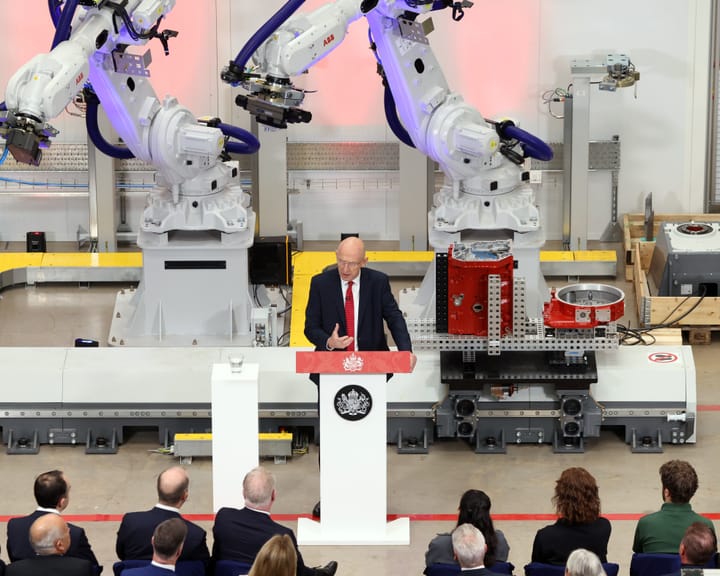
John Healey supports growth but insists Labour must be truthful about spending
John Healey has stated that his primary goal as chancellor will be to boost economic growth, while acknowledging that Labour must be straightforward about controlling public spending at next month's budget.
In his first major address since assuming the role in July, Healey said the leading focus of