
The US‑Israeli offensive against Iran has been denounced as unlawful by many nations in the Global South, with China labeling the act of “openly murdering the head of a sovereign state” as intolerable.
Numerous governments argued that diplomatic talks between Washington and Tehran over the nuclear agenda and missile program were not allowed to mature before the United States and Israel commenced air strikes, and commentators frequently interpreted the clash as a colonial‑style display of power.
Pakistan’s premier, Shehbaz Sharif, expressed sorrow over the death of Iran’s supreme leader, Ayatollah Ali Khamenei, noting that international statutes forbid targeting heads of state.
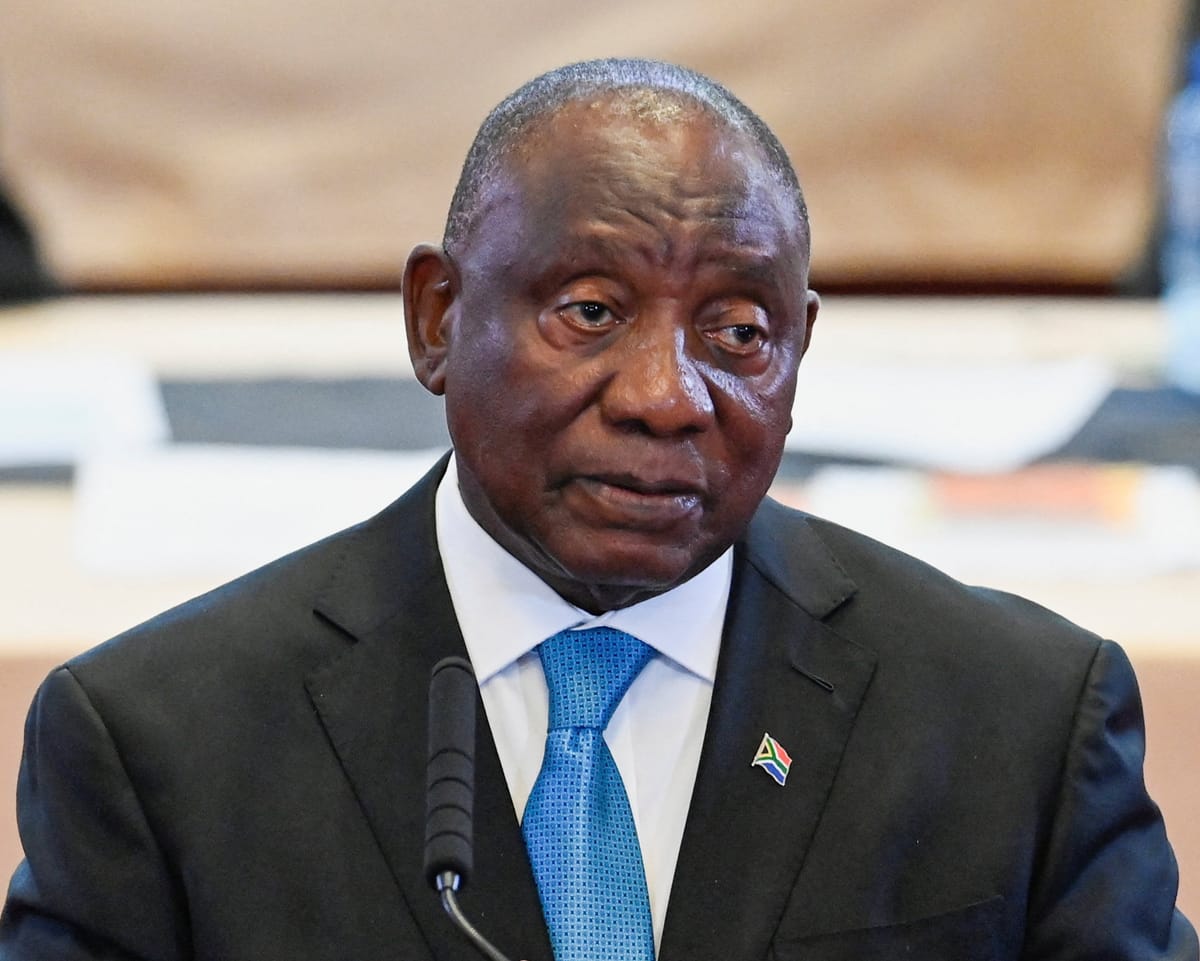
South Africa’s head of state, Cyril Ramaphosa, challenged the “pre‑emptive” rationale offered for the conflict, insisting that self‑defence is justified only in response to an armed invasion and that “political issues cannot be solved by military means”.
Brazil voiced serious apprehension, adding that “the assaults took place while a negotiation process was underway, which remains the only realistic route to peace”.
Turkey’s president, Recep Tayyip Erdoğan, condemned the strikes, claiming they were “instigated” by Israeli premier Benjamin Netanyahu.
Oman’s foreign minister, Badr Albusaidi, who had indicated on the eve of the attacks that a settlement was within reach, urged: “I ask the United States not to become further entangled. This is not your war.”
State media reported that Oman shot down two unmanned aircraft, while a third crashed near the port of Salalah on Tuesday.
Cuba, whose government faces intense pressure from Donald Trump, warned: “Once again, the United States and Israel jeopardise regional and global peace, stability and security.”
Malaysia, denouncing the assault, affirmed that “disputes must be settled through dialogue and diplomacy”.
Indonesia, one of the few states to pledge troops for Trump’s Board of Peace’s proposed new international security contingent for Gaza, said it “deeply regrets” the collapse of the Iran talks, and its president offered to travel to Tehran to restart negotiations.
The Indonesian Ulema Council, a body of the nation’s Muslim scholars, called on the government to withdraw from the Board of Peace in protest of the war.
Several developing countries also censured Iran’s strikes on its Gulf neighbours.
Analysts suggested the confrontation should be viewed against the backdrop of earlier regime‑change wars in Iraq and Libya, Israel’s impunity in Gaza since 2023, and lingering colonial attitudes – citing a recent address by US Secretary of State Marco Rubio that seemed to celebrate historic Western conquests of developing nations.
Siphamandla Zondi, a politics professor at the University of Johannesburg, observed that in the West wars are often portrayed as having a moral purpose, whereas in the Global South conflict is seen as malevolent and a sign of immaturity.
Read next
UK mulls deploying a Royal Navy destroyer to Cyprus.
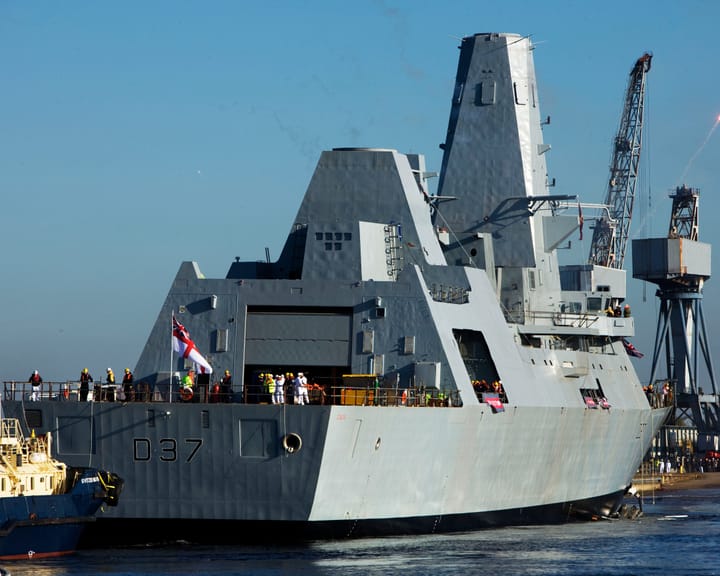
John Healey, the defence secretary, is weighing the option of dispatching a Royal Navy destroyer to Cyprus to bolster the security of British installations after a series of apparently hostile drones struck RAF Akrotiri on the island.
Defence officials said a deployment of HMS Duncan, presently stationed in Portsmouth, is
Notorious Italian mafia leader Benedetto Santapaola dies in prison at 87
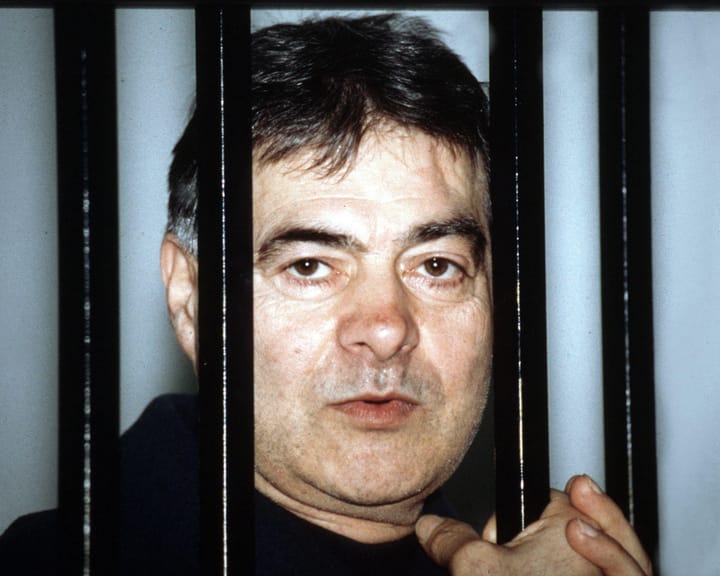
Benedetto “Nitto” Santapaola, a Sicilian mafia leader and one of Italy’s most notorious criminals, has died at 87.
Santapaola, long suspected of orchestrating the wave of violence that plagued Italy in the 1980s and 1990s, passed away on Monday in a Milan prison where he was serving several life
Gen‑Z voters in Nepal: Can ex‑rapper Balen defeat a seasoned political heavyweight?
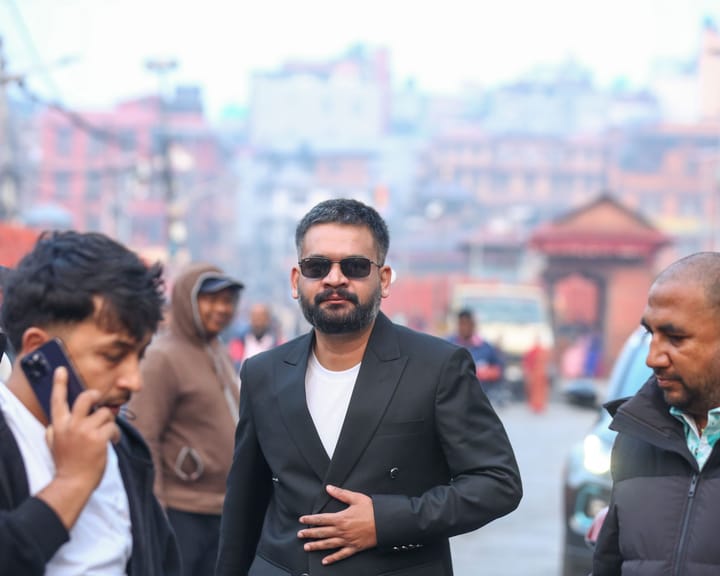
In the modest, dust‑laden streets of Damak, a rare political clash is taking shape. It pits a veteran party figure against a former rapper‑turned‑law‑maker who favors dark glasses and crisp attire, a contest that could overhaul the nation’s political landscape.
As Nepal approaches what many