
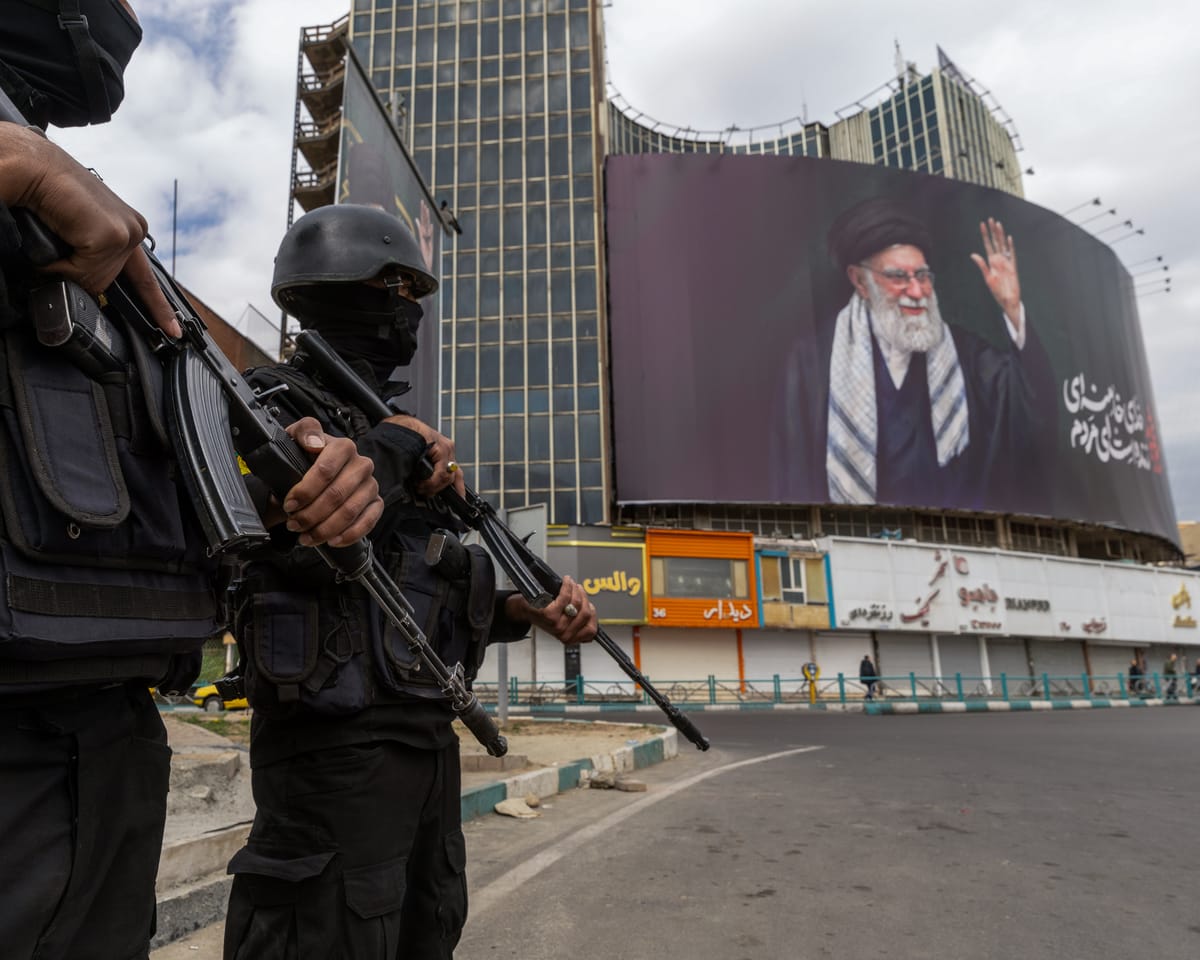
One night in Tehran, 1980, my grandfather received an anonymous warning that the Islamic Republic intended to kill him.
That same evening he, my grandmother and my fifteen‑year‑old mother escaped Iran on a last‑minute flight to Heathrow, using a forged passport. With two over‑packed suitcases they managed to leave. After three years of asylum‑seeking limbo in London, my grandfather’s resourcefulness enabled the family to settle in Australia, where we rebuilt our lives in Sydney and survived.
But not everyone was as fortunate.
Across Australia, Iran and the wider world, celebrations erupted after the Ayatollah’s death – and for understandable reasons.
There is no doubt that Ali Khamenei headed one of the most lethal regimes of recent times. From countless state‑ordered executions, torture and imprisonment of civilians to a despotic reshaping of Iran’s internal reality and external narrative – and even my own family’s forced exile – his death cannot be called a tragedy.
Nevertheless, I fear that, for the Iranian people, Trump’s unlawful war may become one.
While I cannot speak for the entire Australian‑Iranian diaspora, I am deeply concerned on a human level about the toll this strike could take on innocent lives.
Iran and its diaspora now stand sharply divided: many scarred by the regime’s violence and desperate for regime change at any price, while others hold the opposite view.
One point remains clear: civilians must not be killed, whether by their own government or by foreign powers that breach state sovereignty.
For those living in Iran, forced to endure US‑Israeli bombings with scant shelters and a government that blocks their movement, and for diaspora Iranians like me, whose frantic WhatsApp messages go unanswered while massive explosions ravage major cities, the fear is paralyzing.
Western leaders’ decision to bomb a Middle‑Eastern nation without warning is not new.
Numerous parallels have been drawn between George W. Bush’s infamous “Mission Accomplished” speech aboard a warship in 2003 and Donald Trump’s recent proclamation urging Iranians to rise against a violently oppressive regime and “take back your government,” even as the US and Israel drop bombs on them, as if the scene belonged to a propaganda film.
In what reality can an ordinary citizen “take back” a government amid foreign bombardment and a system bent on killing them?
When I visited Iran for the first time in 2019, I witnessed firsthand how deeply the Islamic Republic’s authority permeates daily life.
Read next
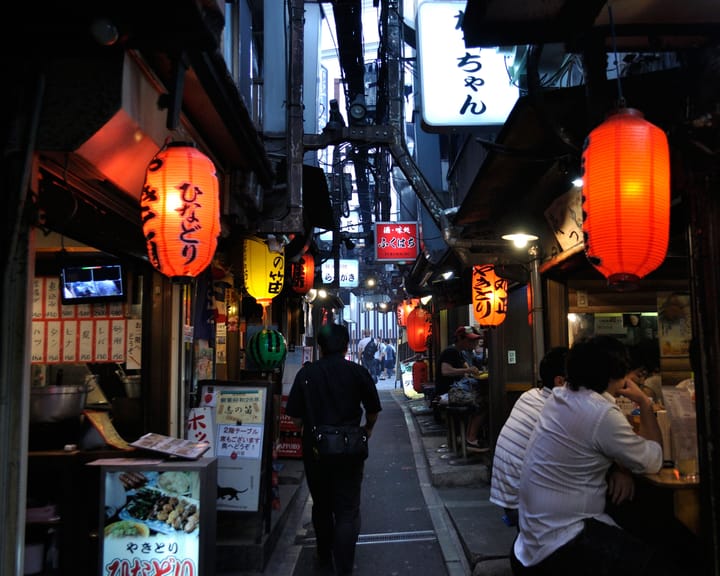
Tokyo tourist hotspot outlaws short-term rentals amid complaint surge
Shinjuku Ward, Tokyo, has moved to ban short-term rental accommodations in residential areas and near schools and important cultural sites, following a slew of complaints about visitor behaviour. The decision, to be enacted through a local ordinance, marks the latest sign that Japan’s patience with mass tourism is
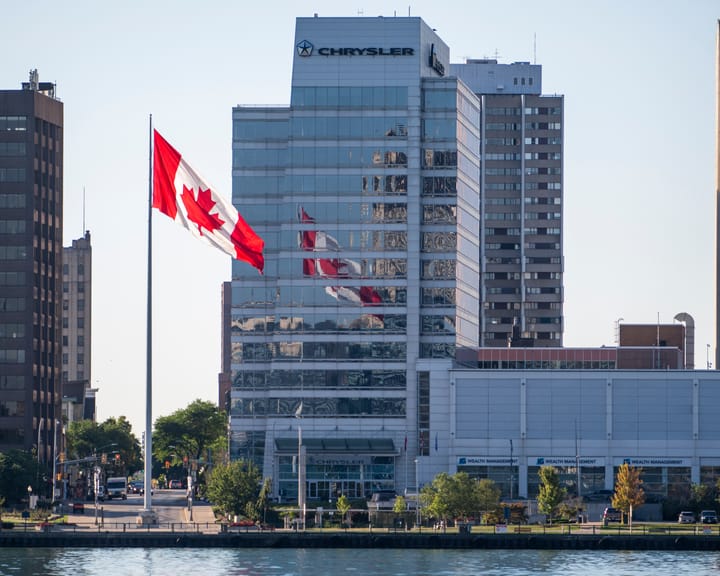
Canada implements retaliatory US tariffs as trade dispute intensifies
Canada’s retaliatory tariffs on about $20 billion worth of American imports took effect at 12.01am on Tuesday, ranging from 15% to 50% and applying to steel, dairy, appliances, agricultural equipment, pulp and paper, and electronics. The measures, a response to the United States’ 50% tariff on $20 billion
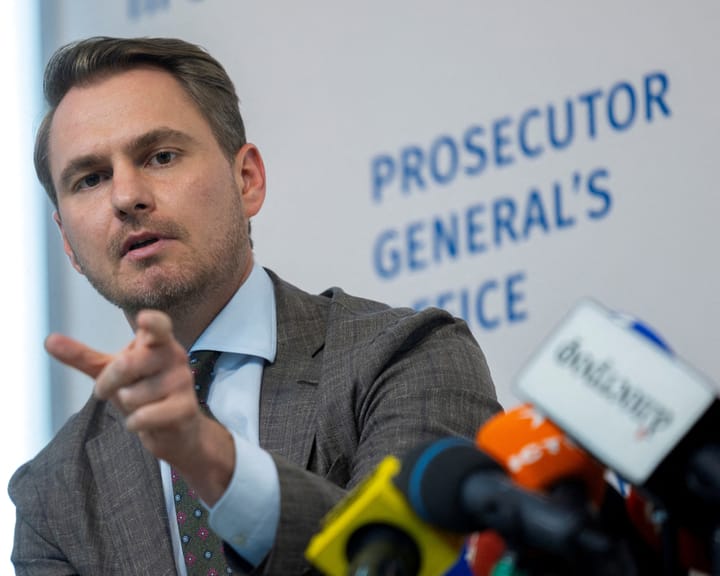
Prosecutor general resigns amid political turmoil in Kyiv during Ukraine war
Ukraine’s prosecutor general Ruslan Kravchenko resigned amid corruption accusations after anti-graft officers searched his offices at the weekend. He called the allegations “completely unsubstantiated” and denied wrongdoing. The National Anti-Corruption Bureau (NABu) and Specialised Anti-Corruption Prosecutor’s Office (Sapo) announced Saturday they uncovered a money-laundering