
Abu Yehya and his two sons were roused by the sound of explosions in the early hours of Monday. A series of about a dozen blasts, one only a few hundred metres away, forced them onto the streets of Beirut’s southern districts.
For four weary hours they walked until they arrived at the same downtown spot where they had taken refuge during the previous conflict eighteen months earlier, and they collapsed on the pavement. There they learned that Hezbollah had struck Israel and that Lebanon was once again drawn into war.
“The children were terrified, they were shouting. It was exactly like the last time; we recognized it instantly. War is war,” said Abu Yehya, a 41‑year‑old day‑labourer, clutching his sons close.
He was among tens of thousands who fled their homes in Lebanon on Monday as Israeli bombs hammered the country. Hezbollah fired a barrage of rockets at Israel in retaliation for the US‑Israeli killing of Iran’s supreme leader, Ayatollah Ali Khamenei. Israel answered swiftly, hitting Beirut’s southern suburbs, the Bekaa valley and southern Lebanon.
The overnight strikes were only the start. By afternoon the Israeli army ordered residents of more than fifty Lebanese villages to evacuate, and the low‑flying warplanes over Beirut rattled windows. Israel’s military chief, Lt Gen Eyal Zamir, declared: “The IDF will not end the operation until the threat from Lebanon is removed.”
By Monday night at least 52 people had been killed and 29,000 displaced to emergency shelters, figures the ministry of social affairs said were expected to rise.
In Beirut, anger flared over Hezbollah’s decision to join the fight with Israel and drag the nation into the conflict.
“I was extremely upset when I learned we had entered the war. We are exhausted by these wars,” Abu Yehya said. “We adults will die when we die, but our children are another matter. They are scared.”
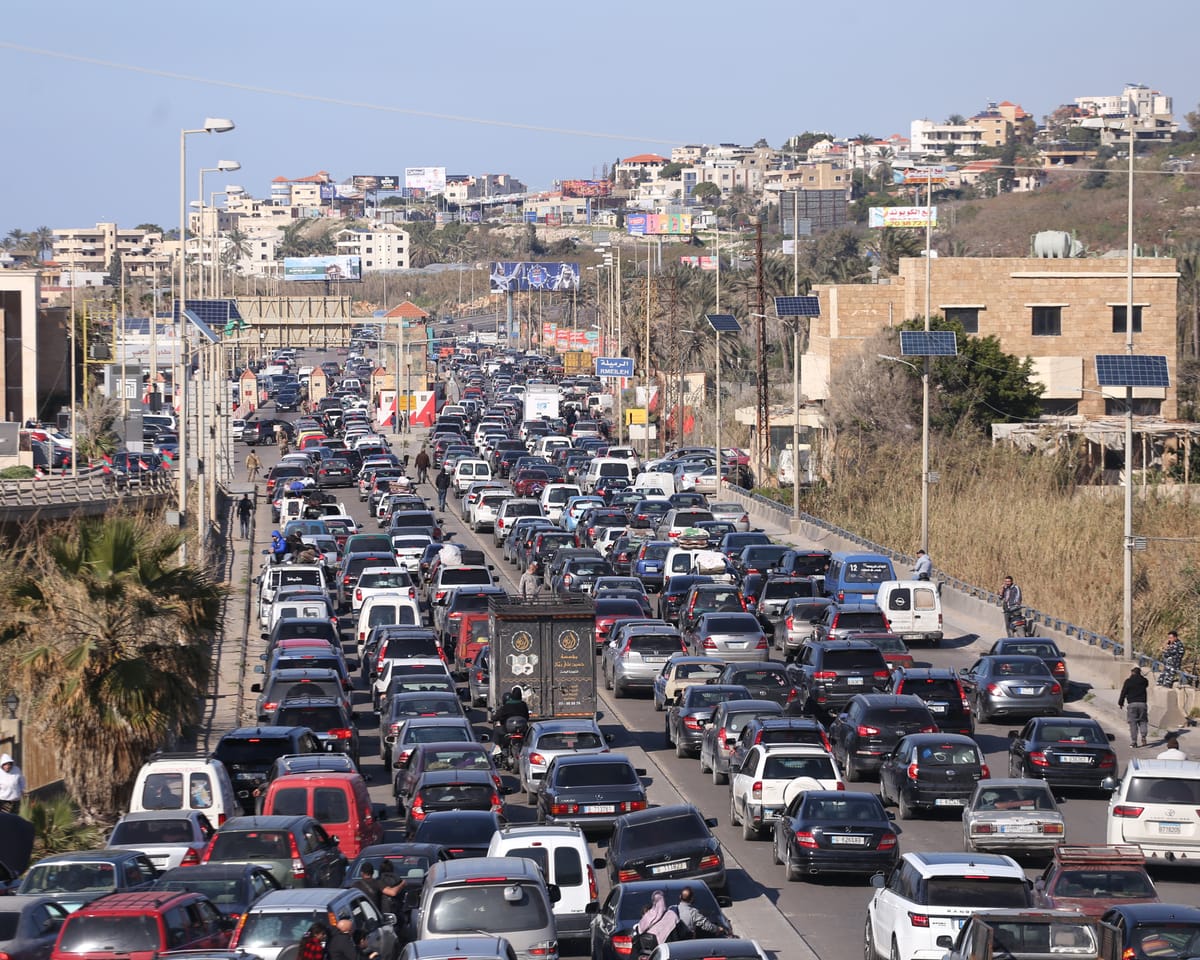
Speaking from Martyrs’ Square, families tried to rest under the harsh morning sun, huddled on thin foam mattresses. Passenger vans packed with blankets and suitcases clogged the streets, while women with furrowed brows stared at the city.
The scenes echoed those of eighteen months ago, when an Israeli bombing campaign and the detonation of Hezbollah‑linked devices sent people into the streets and overwhelmed hospitals. Then, the shock of the assault sparked a wave of solidarity: blood banks saw long lines and health officials warned that donations of vital organs, including eyes, could not be accepted.
This time, the onslaught was met with weary resignation and simmering anger.
Even among Hezbollah’s own supporters, the group’s entry into the war caused surprise.
Read next
Tokyo tourist hotspot outlaws short-term rentals amid complaint surge
Shinjuku Ward, Tokyo, has moved to ban short-term rental accommodations in residential areas and near schools and important cultural sites, following a slew of complaints about visitor behaviour. The decision, to be enacted through a local ordinance, marks the latest sign that Japan’s patience with mass tourism is
Canada implements retaliatory US tariffs as trade dispute intensifies
Canada’s retaliatory tariffs on about $20 billion worth of American imports took effect at 12.01am on Tuesday, ranging from 15% to 50% and applying to steel, dairy, appliances, agricultural equipment, pulp and paper, and electronics. The measures, a response to the United States’ 50% tariff on $20 billion
Prosecutor general resigns amid political turmoil in Kyiv during Ukraine war
Ukraine’s prosecutor general Ruslan Kravchenko resigned amid corruption accusations after anti-graft officers searched his offices at the weekend. He called the allegations “completely unsubstantiated” and denied wrongdoing. The National Anti-Corruption Bureau (NABu) and Specialised Anti-Corruption Prosecutor’s Office (Sapo) announced Saturday they uncovered a money-laundering