

Bear Encounters Rise in Japan as Habitat Changes Drive Animals Closer to People
Once a concern only for hikers and foragers in remote areas, encounters with bears have become a growing issue in populated parts of Japan. Authorities are urging residents to learn how to stay safe as bears increasingly leave their natural environments in search of food.
Reports of bear encounters now appear almost daily. Recent incidents in Akita prefecture involved a jogger and a walker being attacked in developed areas, while another bear entered a nearby house after confronting four people. Fortunately, none of the victims sustained serious injuries.
However, some confrontations have turned deadly. Government records indicate nine fatalities nationwide since April—the highest number ever documented in a single year.
In response, officials and media outlets are emphasizing safety advice to minimize risky encounters. Experts recommend remaining calm if a bear is spotted, avoiding eye contact and sudden movements, and slowly backing away without turning one’s back. Running or climbing trees should be avoided, as bears are far faster and more agile.
If an attack seems unavoidable, lying face down while protecting the head and neck may reduce injuries. A recent study by Akita University researchers, based on interviews with 70 bear attack survivors, found that those who followed this advice suffered less severe harm.
Other precautions include carrying noise-making devices like bells or whistles and staying in groups, as bears are less likely to approach multiple people. While repellent sprays are highly effective, they are not widely accessible in Japan. People are also advised to avoid hiking at dawn or dusk—peak bear activity times—and to properly dispose of food waste.
Japan’s bear population includes roughly 44,000 Asian black bears, primarily in northern regions, and 12,000 Ussuri brown bears, mainly in Hokkaido. The increase in incidents is linked to changing bear behavior, with reports of the animals entering towns—areas they once avoided—due to dwindling acorn and beech nut supplies.
Warmer winters, attributed to climate shifts, are also delaying hibernation, increasing the chances of encounters. Meanwhile, shrinking rural populations have allowed farmland to become overgrown, reducing the buffer between woodlands and villages.
Akita and other local governments are working to address the rise in bear conflicts, though limited resources pose challenges.
Read next
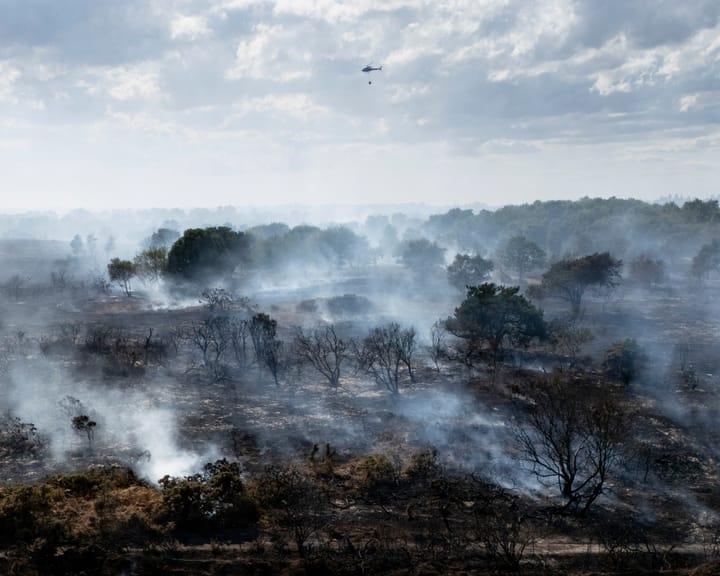
July 2026 Marks Worst On-Record Wildfires in England, Data Reveals
July 2026 saw the highest number of wildfires in England on record, with provisional data indicating a clear increase in the annual total. The UK experienced extreme vulnerability to climate change, as severe heat and dry conditions turned vast countryside areas into a tinderbox. This summer marked England's

Thousands Protest in Madrid Following Death of Evicted Pensioner Maricarmen
Thousands are expected to march through Madrid on Thursday evening to honor María del Carmen Abascal, an 87-year-old whose eviction from her apartment, two weeks before her death, highlighted Spain’s housing crisis. Abascal's flat had been acquired by an investment firm that sought to increase

Maduro’s Wife to Seek Release from New York Detention in Court Appearance
Cilia Flores, the wife of former Venezuelan President Nicolás Maduro, was scheduled to appear in court, where her legal team will request her release from custody due to her heart condition, proposing house arrest instead.
Flores and Maduro have been detained in New York since early January, following a raid