
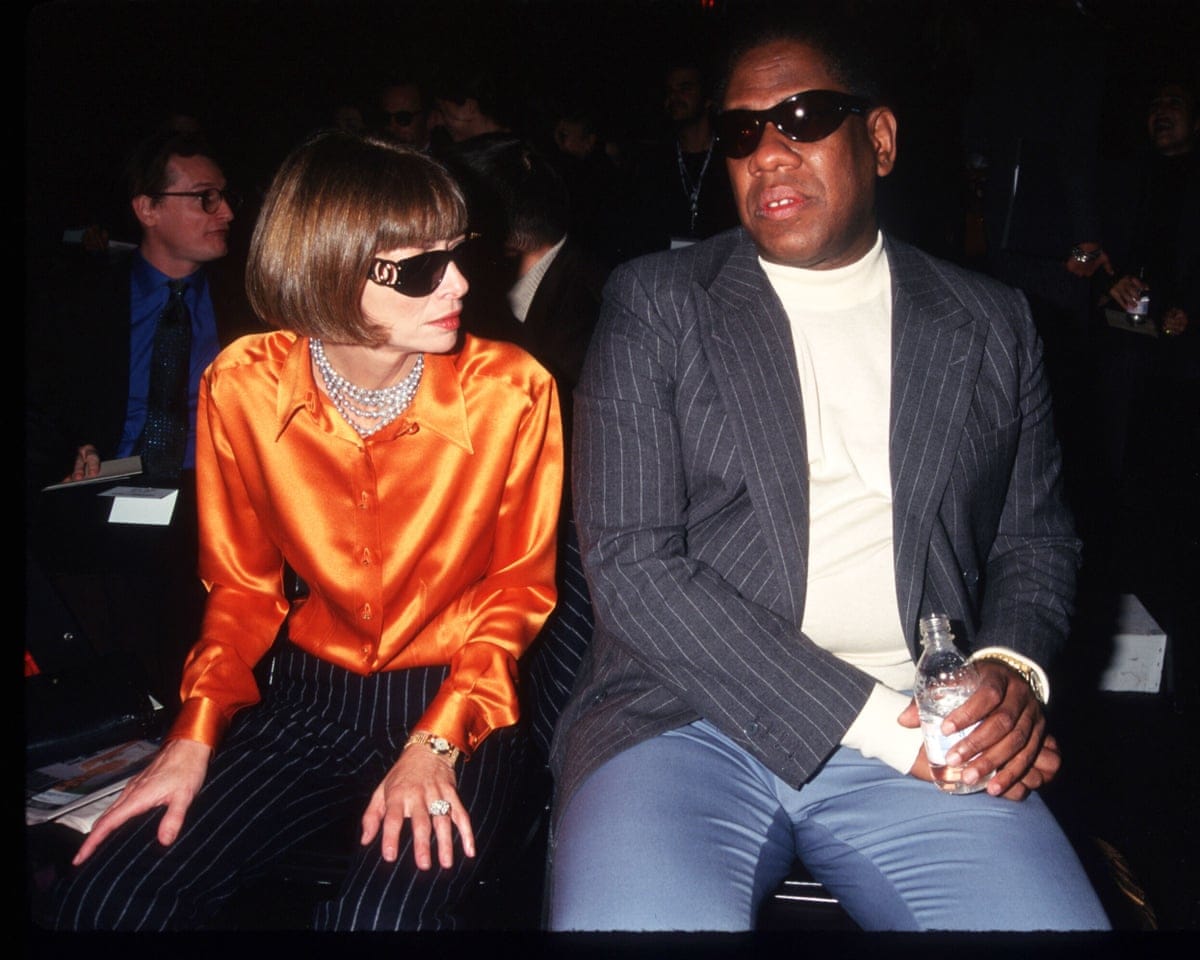
Samuel Irving "Si" Newhouse Jr became head of Condé Nast, the magazine group owned by his father's media company, Advance Publications, in 1975. Under his leadership, Condé expanded its collection of high-end publications—such as *Vogue*, *GQ*, and *Glamour*—to include *Architectural Digest*, a revived *Vanity Fair*, and *the New Yorker*. Newhouse invested heavily in building influence, and his company’s lavish spending became legendary. Condé presented itself as a curator of upscale culture, but as explored in *Empire of the Elite*, its success in the 80s and 90s came from blending high and popular culture.
The company introduced pop stars, TV personalities, and tabloid drama into its sophisticated pages, reshaping cultural prestige to appeal to a growing yuppie class with less interest in classical arts. Key moments include *GQ*’s 1984 feature on Donald Trump, which preceded *The Art of the Deal*; Madonna’s first *Vogue* cover in 1989; and *the New Yorker*’s reporting on the OJ Simpson trial in 1994. Tina Brown, who took over *the New Yorker* in 1992 following a stint at *Vanity Fair*, aimed to combine depth with allure. Some traditionalists criticized this shift as pandering, but *Empire of the Elite* argues Brown broadened the magazine’s relevance rather than diminishing its intellect.
This willingness to adapt defined Condé’s success—so much so that its impact now seems inevitable. *Vogue*, led by Anna Wintour, helped turn street fashion into high culture, paving the way for today’s stylists and brand ambassadors. Meanwhile, *GQ*’s polished aesthetic promoted trends like metrosexuality and male grooming that later became mainstream.
The company’s dominance waned in the 21st century. After the 2008 financial crisis, its focus on luxury felt out of step, and its lack of diversity became more glaring amid movements like Black Lives Matter. Social media further eroded its role as a cultural authority by democratizing taste-making. *Empire of the Elite* closes with a reflection on the decline of print media, marking the end of an era.
A similar nostalgia runs through *When the Going Was Good*, a recent memoir by former *Vanity Fair* editor Graydon Carter. Like Tina Brown’s *The Vanity Fair Diaries* (2017), Carter’s book offers an insider’s view of Condé’s social world—celebrated for its lively storytelling but criticized for its self-satisfied tone. In contrast, *Empire of the Elite* opts for a measured, chronological approach, focusing on facts over personal flair.
Read next

Sebastian Barry's The Newer World: a near-miracle of storytelling review
Sebastian Barry’s latest novel, *The Newer World*, gives voice to Tennyson Bouguereau, a formerly enslaved man navigating post-Civil War America. Through Tennyson’s recollections, the narrative revives the perennial question: is history better served by novelists or historians? Historians might demur, but as Barry illustrates, fiction can fill

Wim Wenders says film-makers should not avoid political involvement
Filmmaker Wim Wenders has clarified his earlier comments on the relationship between cinema and politics. Speaking at the Venice film festival, he stated that he does not believe filmmakers should completely avoid political engagement.
Earlier in the year, while serving as jury president at the Berlin film festival, Wenders told

The week around the world in 20 images
The week witnessed a series of catastrophic events, including the devastating floods along the Nepal-Tibet border, Russian missile attacks on Kyiv, the rapid spread of the Plaskett Fire across California, and the vibrant celebration of the Notting Hill carnival. The following images, captured by top photojournalists, document these moments.