
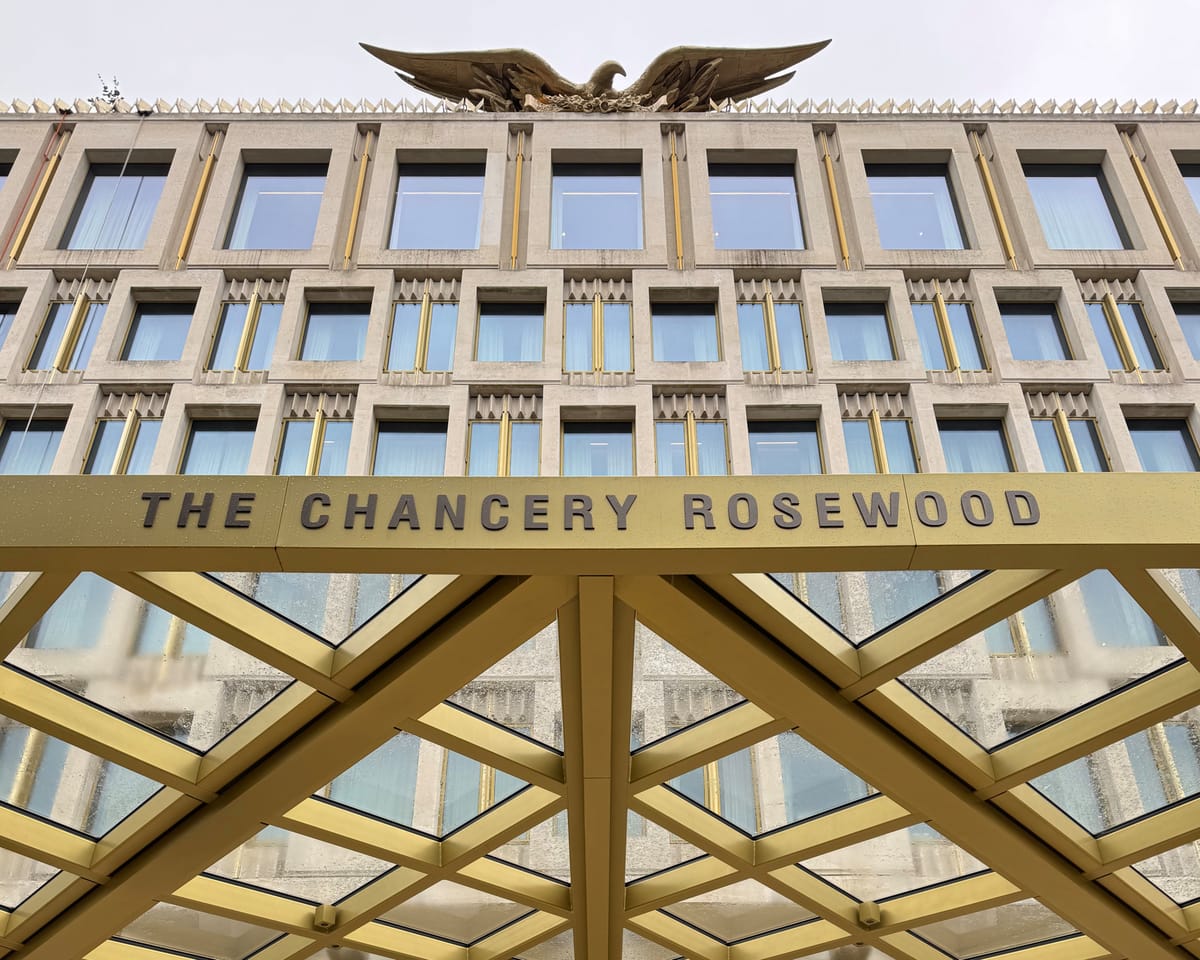
Excavated Under Former US Embassy: A Glimpse Into a Hidden World
For years, rumors have circulated about what lies beneath the imposing 1960s structure that once served as the US embassy on Grosvenor Square. Tales of Cold War bunkers, intelligence agency training facilities, and even secret passages leading to Hyde Park have captured imaginations. Yet none of these speculative stories matched the reality of what has now been uncovered beneath the building, transformed into one of London’s most luxurious accommodations.
Previously a symbol of American influence, the site is now owned by the Qatari royal family and managed by a British Virgin Islands-registered firm linked to a prominent Hong Kong business dynasty. Now known as the Chancery Rosewood, it has been reinvented as a retreat for the world’s most affluent visitors—complete with an unprecedented subterranean extension.
A grand staircase leads to a cavernous, marble-clad entrance hall, where chandeliers and glossy surfaces shimmer beneath a mirror-like black ceiling. The space evokes the solemnity of a mausoleum before opening into an expansive ballroom—served by its own vehicle lift—and a spa complex below, featuring a pool, saunas, and treatment rooms carved 20 meters underground. Once inaccessible to outsiders, entry now depends solely on financial means, with the most basic accommodations starting at £1,400 per night.
For the architects behind the project, the goal was to peel back layers of seclusion that had long defined the building. "We aimed to reintroduce a sense of accessibility," said Julia Loughnane of David Chipperfield Architects, the firm overseeing the challenging restoration. "Breaking down barriers and reviving openness was key."
When Finnish-American architect Eero Saarinen originally designed the building as the first custom-built US embassy in London during the 1950s, he envisioned a welcoming, transparent symbol of America. The raised ground floor housed a public library beside the visa section, bathed in natural light beneath a striking geometric concrete ceiling. However, the building’s blocky shape and grid-like facade, with windows framed in Portland stone, drew mixed reactions. Architectural critic Reyner Banham described it as "monumental yet overly ornate," while others likened it to an industrial factory.
Public sentiment toward the building worsened over the decades, particularly amid protests against the Vietnam War and wider anti-American demonstrations. These tensions led to increased fortifications. By the early 2000s, security concerns and local frustrations grew to the point that the embassy relocated across the Thames to Nine Elms, withdrawing behind even tighter barriers.
Read next
Sebastian Barry's The Newer World: a near-miracle of storytelling review
Sebastian Barry’s latest novel, *The Newer World*, gives voice to Tennyson Bouguereau, a formerly enslaved man navigating post-Civil War America. Through Tennyson’s recollections, the narrative revives the perennial question: is history better served by novelists or historians? Historians might demur, but as Barry illustrates, fiction can fill
Wim Wenders says film-makers should not avoid political involvement
Filmmaker Wim Wenders has clarified his earlier comments on the relationship between cinema and politics. Speaking at the Venice film festival, he stated that he does not believe filmmakers should completely avoid political engagement.
Earlier in the year, while serving as jury president at the Berlin film festival, Wenders told
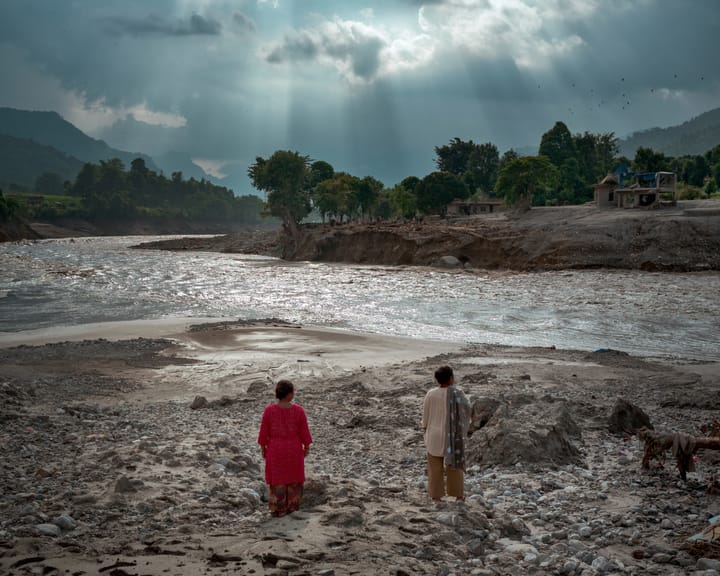
The week around the world in 20 images
The week witnessed a series of catastrophic events, including the devastating floods along the Nepal-Tibet border, Russian missile attacks on Kyiv, the rapid spread of the Plaskett Fire across California, and the vibrant celebration of the Notting Hill carnival. The following images, captured by top photojournalists, document these moments.