
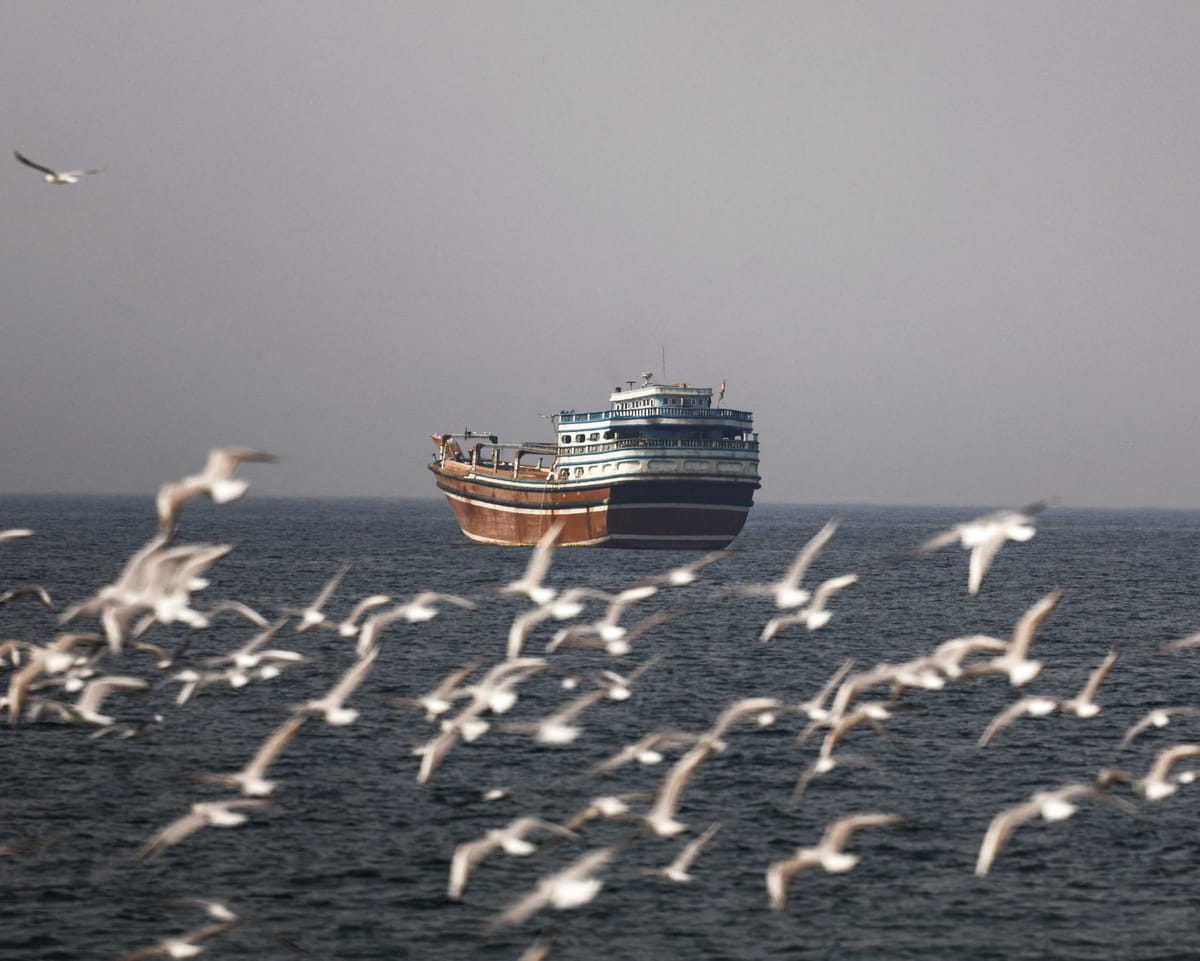
In retaliation for the U.S.–Israeli missile strikes, Iran has begun an outright campaign of economic warfare. If the hostilities persist for another week, the repercussions will spread worldwide as the third post‑pandemic price jump sweeps through markets.
For the United Kingdom, another squeeze on household budgets arrives as domestic political turbulence rises, with both Labour and the Conservatives confronting existential threats from opposite sides.
Keir Starmer’s tentative reaction to the conflict highlights a deeper strategic dilemma for Britain: an economy fashioned over decades for a globalised system now struggles to operate in a world where that system is unraveling.
The construction of an intricately linked, planet‑wide economy has also produced points of intense strain, where the movement of manufactured goods, people and raw materials must traverse narrow corridors on the planet.
These corridors include the 40‑mile‑wide Strait of Malacca, through which about 80 % of China’s imported oil passes; the Panama Canal, narrowed to just 91 metres at its tightest spot; the Bab el‑Mandeb Strait between Yemen and Eritrea, handling roughly 40 % of trade between Asia and Europe; and the Strait of Hormuz, a conduit for one‑fifth of global oil supplies.
Whether accidental, natural or deliberate, a blockage of any of these routes produces the same result. In 2024, drought‑induced limits on the Panama Canal combined with Houthi blockades of Bab el‑Mandeb added roughly 0.6 percentage points—about one‑fifth of worldwide inflation for the year—as shippers rerouted around both passages. Climate change now acts as a force multiplier for asymmetric conflict: extreme weather such as Central America’s multi‑year drought heightens the disruptive power of choke‑point closures elsewhere.
At present, the Bab el‑Mandeb and Hormuz straits—narrow gaps on either side of the Arabian Peninsula—are effectively blockaded. Yet it is the other great pillar of the global economy—its financial network—that amplifies the purely military danger. Major insurers’ decision to withdraw war‑risk coverage across the Persian Gulf effectively shuts both straits to commercial traffic. Washington, scrambling for a reply, has promised its own insurance and naval escorts, though both measures may take weeks to implement.
These shocks reverberate worldwide, but few advanced economies are as exposed to choke‑point and raw‑material pressures as Britain. In a well‑argued essay, political economist Helen Thompson explains how the United Kingdom’s turn toward a globalised model—spanning the rise of the City of London and the de‑industrialisation of northern England, Scotland and Wales—has left the nation especially vulnerable to the pressures now being wielded by Iran.
Read next
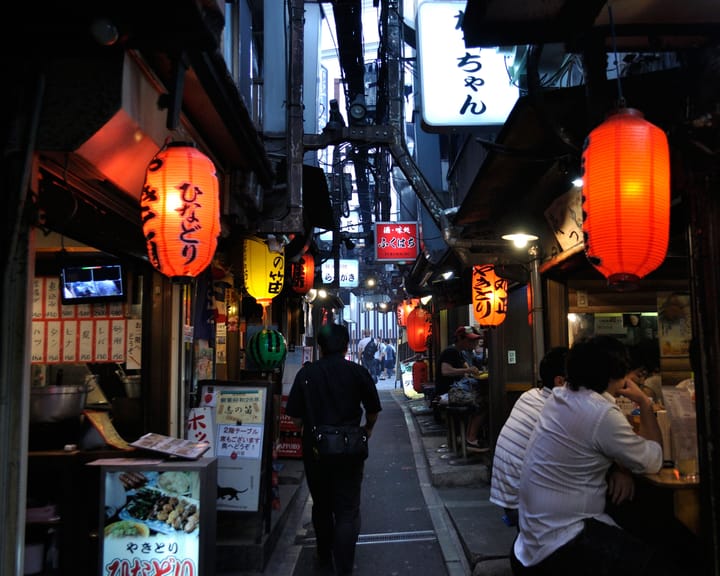
Tokyo tourist hotspot outlaws short-term rentals amid complaint surge
Shinjuku Ward, Tokyo, has moved to ban short-term rental accommodations in residential areas and near schools and important cultural sites, following a slew of complaints about visitor behaviour. The decision, to be enacted through a local ordinance, marks the latest sign that Japan’s patience with mass tourism is
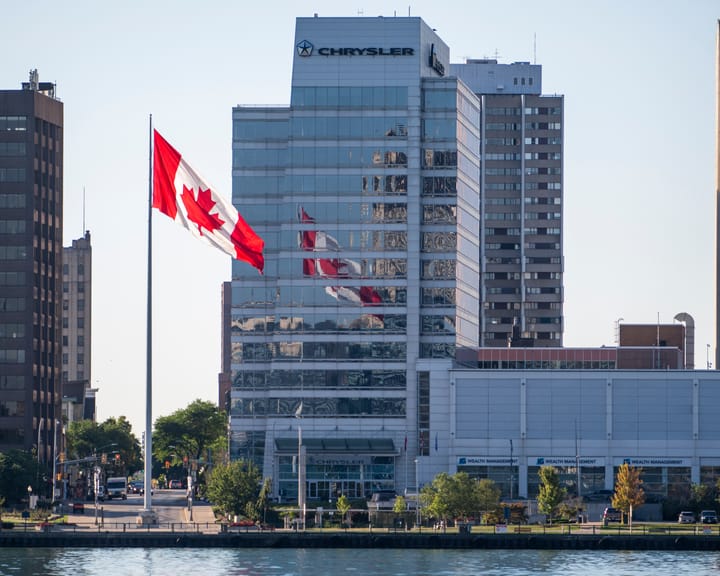
Canada implements retaliatory US tariffs as trade dispute intensifies
Canada’s retaliatory tariffs on about $20 billion worth of American imports took effect at 12.01am on Tuesday, ranging from 15% to 50% and applying to steel, dairy, appliances, agricultural equipment, pulp and paper, and electronics. The measures, a response to the United States’ 50% tariff on $20 billion
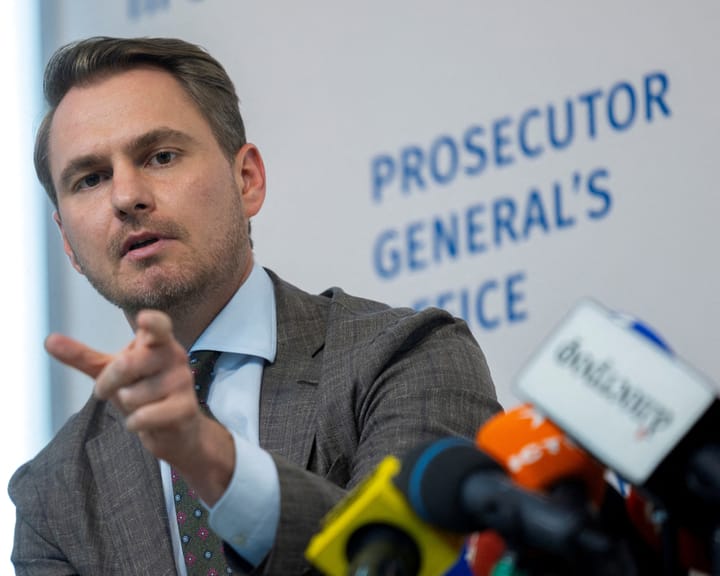
Prosecutor general resigns amid political turmoil in Kyiv during Ukraine war
Ukraine’s prosecutor general Ruslan Kravchenko resigned amid corruption accusations after anti-graft officers searched his offices at the weekend. He called the allegations “completely unsubstantiated” and denied wrongdoing. The National Anti-Corruption Bureau (NABu) and Specialised Anti-Corruption Prosecutor’s Office (Sapo) announced Saturday they uncovered a money-laundering