
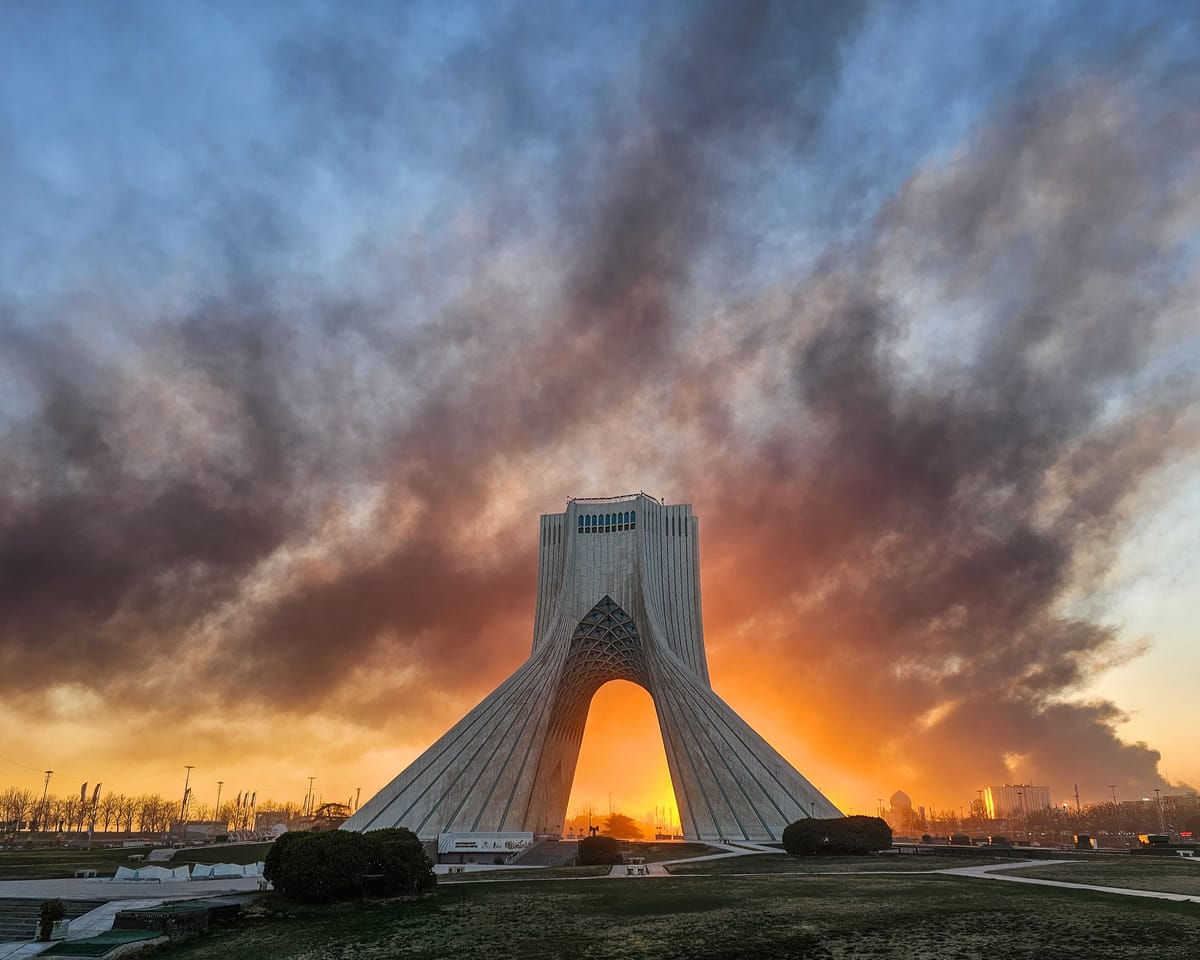
Iran faced a day of unusual military and diplomatic strain on Tuesday as US airstrikes raised the death count in the country beyond 800 and the headquarters of the Assembly of Experts, the group tasked with choosing a successor to the slain supreme leader Ali Khamenei, were bombed.
It would represent a serious security breach if it emerged that many of the 88 senior clerics on the assembly had been inside the Qom building voting at that moment. “There was another hit today on the new leadership, and it looks like that was pretty substantial,” Trump said at a White House gathering, though it was unclear what he was referring to.
In Tehran, a structure that houses an institution mediating between Iran’s parliament and the Guardian Council of clerics and lawyers was also struck.
In an effort to restore some order, Iranian authorities felt compelled to swiftly install a new clerical figure to replace the 86‑year‑old Khamenei, who was assassinated together with his wife and granddaughter on Sunday.
Unverified reports claimed the defence minister, appointed only two days earlier, had been killed. The offices of the supreme national security council were bombed, and it remains unknown whether Ali Larijani, the council’s secretary‑general, was present. The turmoil indicates that Iran’s government is struggling to operate amid a conflict that is becoming an existential fight for survival.
Behind closed doors a power struggle is unfolding among officials over whether to pursue a more flexible stance toward the West, a debate that revolves around the selection of the new supreme leader and underscores the need for the political elite to reach a decision.
Israel’s warplanes appear to dominate the skies over Tehran, capable of targeting Iran’s leaders and security officials at will. Large plumes of black smoke and flames were visible across the Tehran skyline as more residents attempted to flee to the countryside.
Trump has acknowledged that the airstrikes on Iran’s leadership have been so effective that at least two officials he had earmarked for future roles were killed in the attacks. With his objectives shifting almost daily, it is unclear whether he wants Iran to abandon clerical rule or believes a secular politician would be more pliable. The supreme leader in Iran wields authority that no politician can match and can effectively override any democratic institution in the country.
Trump showed no interest in diplomatic initiatives led by Turkey to restart talks, posting on Truth Social: “Their air defense, their air force, their navy, and their leadership are gone. They want to negotiate, I said it’s too late!”
Iranian officials denied any intention to resume talks that ended on Thursday, a day before the first airstrikes on Tehran. Iran had expected the discussions to continue at a technical level this week.
Read next

Tokyo tourist hotspot outlaws short-term rentals amid complaint surge
Shinjuku Ward, Tokyo, has moved to ban short-term rental accommodations in residential areas and near schools and important cultural sites, following a slew of complaints about visitor behaviour. The decision, to be enacted through a local ordinance, marks the latest sign that Japan’s patience with mass tourism is
Canada implements retaliatory US tariffs as trade dispute intensifies
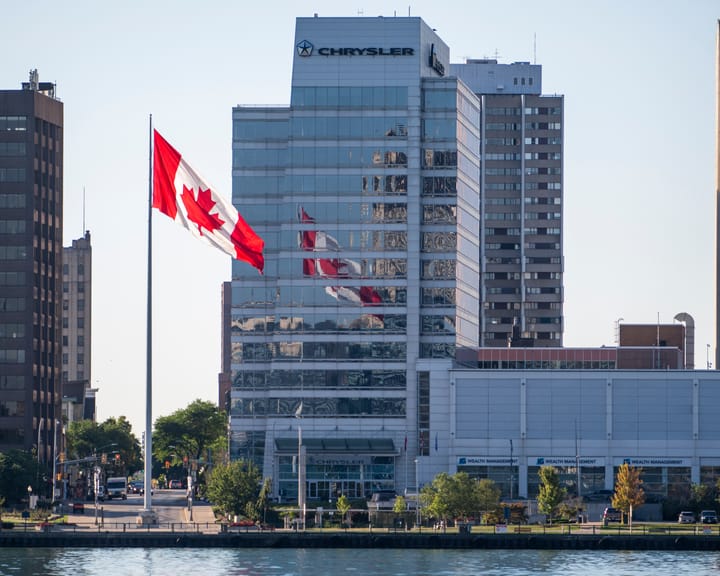
Canada’s retaliatory tariffs on about $20 billion worth of American imports took effect at 12.01am on Tuesday, ranging from 15% to 50% and applying to steel, dairy, appliances, agricultural equipment, pulp and paper, and electronics. The measures, a response to the United States’ 50% tariff on $20 billion
Prosecutor general resigns amid political turmoil in Kyiv during Ukraine war
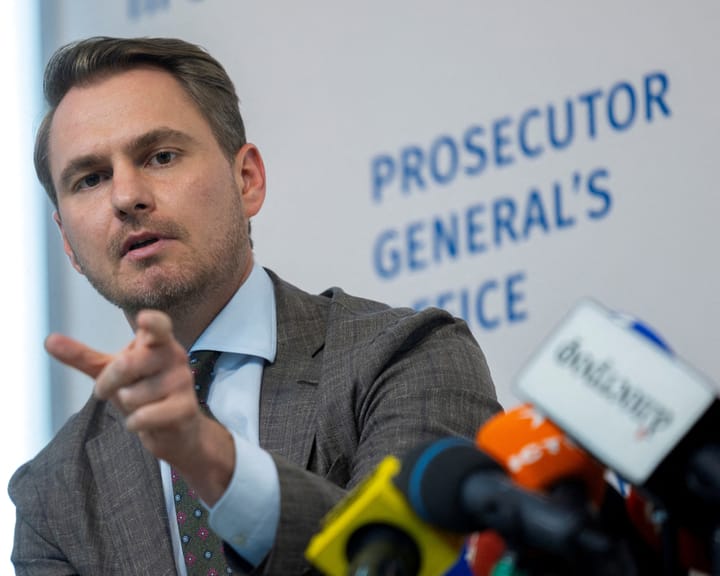
Ukraine’s prosecutor general Ruslan Kravchenko resigned amid corruption accusations after anti-graft officers searched his offices at the weekend. He called the allegations “completely unsubstantiated” and denied wrongdoing. The National Anti-Corruption Bureau (NABu) and Specialised Anti-Corruption Prosecutor’s Office (Sapo) announced Saturday they uncovered a money-laundering