
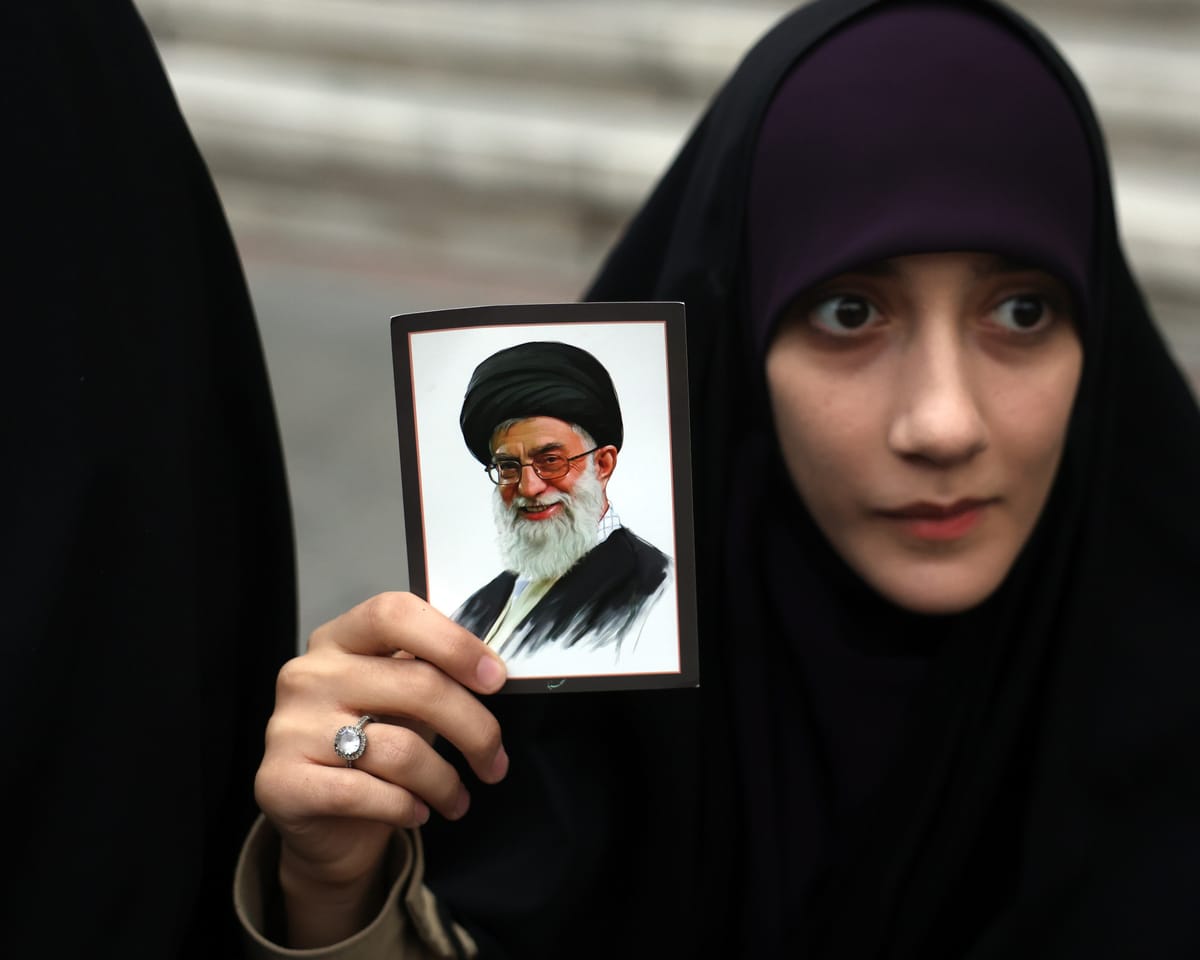
Two visions of Iran appear side by side. After dark, a segment of the population dances, celebrates and weeps with relief at the death of Ayatollah Ali Khamenei, hoping it will bring an end to clerical rule and Western isolation. By daylight, mournful crowds fill the squares of Tehran and Isfahan, demanding vengeance and lamenting the loss of their revered leader.
There is no need to speculate which faction commands the greater domestic military strength, but judging whether the regime recognises that its rigid, unyielding course is likely to end in a chaotic collapse is far more difficult.
So far, no cracks have shown in the security structure. The drive to resist and to keep fighting is deeply ingrained in Shia tradition and in the ideology of the Iranian state.
On the face of it, the regime’s survival under such attrition seems doubtful. The tally of fallen officials is both striking and rising. In addition to the supreme leader, the deceased include Maj‑Gen Shahid Rezaian, head of the police intelligence service; Lt‑Gen Seyyed Abdolrahim Mousavi, chief of staff of the armed forces; Maj‑Gen Mohammad Pakpour, commander of the Islamic Revolutionary Guard Corps; Adm Ali Shamkhani, adviser to the supreme commander; and Lt‑Gen Nasirzadeh, defence minister. Several of them had assumed office only months earlier, promoted after the previous wave of killings during the Israeli strike on Iran in June of last year.
At the same time, Iran’s reserves of weapons and missile launchers are approaching a limit. Even if Tehran offers justifications, the strain on its relations with Gulf neighbours appears more damaging than the physical harm inflicted on the U.S. bases it targets.
Iran’s Strategic Council on Foreign Relations appealed to the Gulf states to grasp Tehran’s predicament. It warned: “The regional powers that urged the United States to pursue diplomacy and avoid war must now accept that no promise from that administration can be relied upon. The path forward is for regional nations to regain prudence and unite against the belligerent regime.”
A senior United Arab Emirates diplomat, Anwar Gargash, countered that Iran’s actions are serving U.S. interests. He wrote: “Iran’s aggression toward the Gulf missed its mark and has isolated the country at a critical moment. Your conflict is not with your neighbours; by escalating you reinforce the narrative that Iran is the region’s chief threat and that its missile programme is a perpetual source of instability. Return to reason, engage your neighbours responsibly, and prevent further isolation and escalation.”
Read next
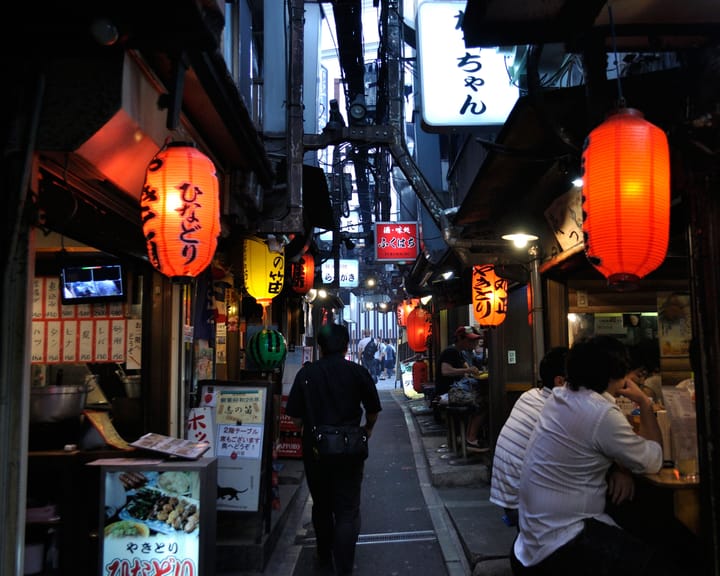
Tokyo tourist hotspot outlaws short-term rentals amid complaint surge
Shinjuku Ward, Tokyo, has moved to ban short-term rental accommodations in residential areas and near schools and important cultural sites, following a slew of complaints about visitor behaviour. The decision, to be enacted through a local ordinance, marks the latest sign that Japan’s patience with mass tourism is
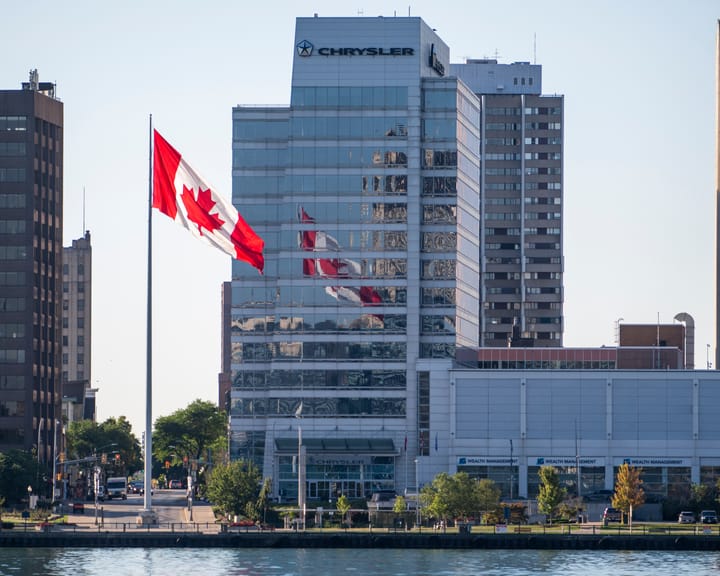
Canada implements retaliatory US tariffs as trade dispute intensifies
Canada’s retaliatory tariffs on about $20 billion worth of American imports took effect at 12.01am on Tuesday, ranging from 15% to 50% and applying to steel, dairy, appliances, agricultural equipment, pulp and paper, and electronics. The measures, a response to the United States’ 50% tariff on $20 billion
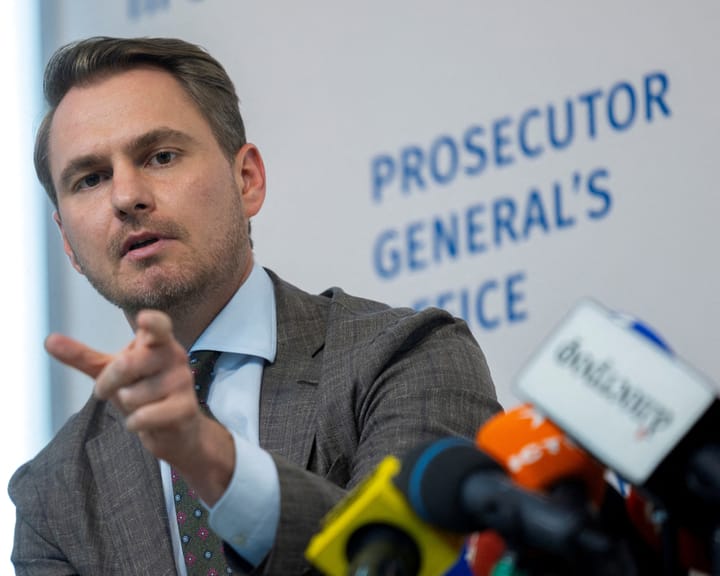
Prosecutor general resigns amid political turmoil in Kyiv during Ukraine war
Ukraine’s prosecutor general Ruslan Kravchenko resigned amid corruption accusations after anti-graft officers searched his offices at the weekend. He called the allegations “completely unsubstantiated” and denied wrongdoing. The National Anti-Corruption Bureau (NABu) and Specialised Anti-Corruption Prosecutor’s Office (Sapo) announced Saturday they uncovered a money-laundering