
In June, Benjamin Netanyahu proclaimed “a historic triumph that will endure for generations” after the twelve‑day conflict with Iran.
His choice to strike Iran again, less than a year later, was met with widespread and eager backing from Israeli lawmakers, even from the prime minister’s staunch opponents, and from a populace prepared to face death and severe upheaval.
Only a few well‑known Israelis have questioned why one celebrated victory should lead to another war – or whether the declared aim of regime change from the air is feasible.
When Iran confirmed that Supreme Leader Ali Khamenei had been killed, support for the campaign grew, despite the rising casualties and destruction caused by Iranian attacks inside Israel.
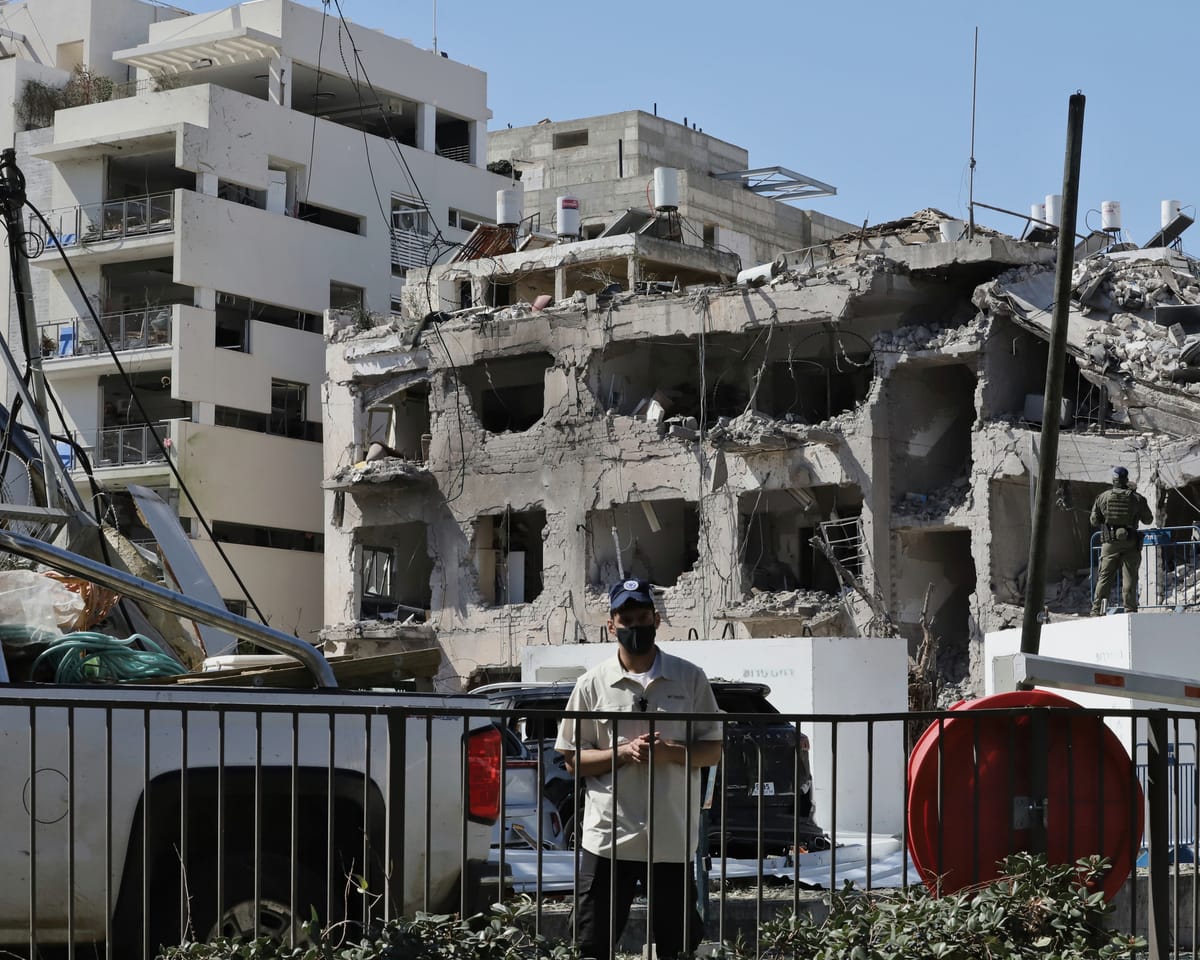
“The only regret I have is that we didn’t act sooner, last June,” said Tom Yaakov, a 30‑year‑old tech employee from Tel Aviv, as he surveyed the damage to his apartment block from an Iranian missile. “It’s a story I can tell my children – the tyrant is down and my building was hit.”
The missile strike killed a 28‑year‑old Filipino care worker, who was struck by shrapnel while taking her employer to a bomb shelter. Hours later, nine people died when a missile struck a bomb shelter in Beit Shemesh.
Donald Trump and Netanyahu appear to share a worldview that favors military dominance, targeted eliminations and perpetual conflict over diplomatic engagement, negotiations and durable accords.
The killing of Khamenei was a striking illustration of their combined military and intelligence capabilities.
Yet Israel’s intelligence services have a long history of eliminating high‑profile foes – from successive Hamas commanders in Gaza to Hezbollah chief Hassan Nasrallah – without dismantling the organisations they led.
In contrast, peace agreements with Jordan and Egypt, which have provided lasting stability with former adversaries, are seldom praised by today’s Israeli political figures, noted Mairav Zonszein, a senior Israeli analyst at the International Crisis Group.
The importance of those pacts became evident during the current war, as the two nations offered the sole evacuation route for Israelis stranded abroad when civilian flights were barred from Israeli airspace.
Recent regional cases could prompt reflection on the aftermath of removing despotic leaders, from Libya’s civil war after Muammar Gaddafi’s death to Iraq’s violent fragmentation and the rise of ISIS following the 2003 US‑led overthrow of Saddam Hussein.
Iranian‑born Israeli journalist and activist Orly Noy dismissed Trump’s and Netanyahu’s assertions that the strikes were intended to aid Iranians seeking change.
“Believing that their primary concern is the welfare of Iranian citizens or support for their struggle for freedom shows a great deal of naivety,” she said.
Read next
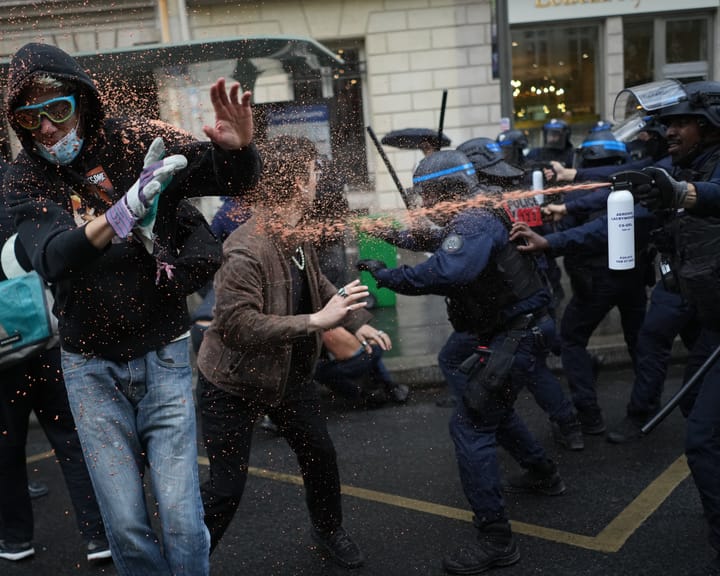
French Minister Refutes Police Brutality Claims Amid Ongoing Student Protests Across France – Europe Live
In recent developments, French Interior Minister Laurent Nuñez has refuted claims of excessive police force during the ongoing student protests in France. He emphasized that police action is only taken in response to violence or property damage. Addressing lawmakers, Nuñez described the protests as "unprecedented" due to the
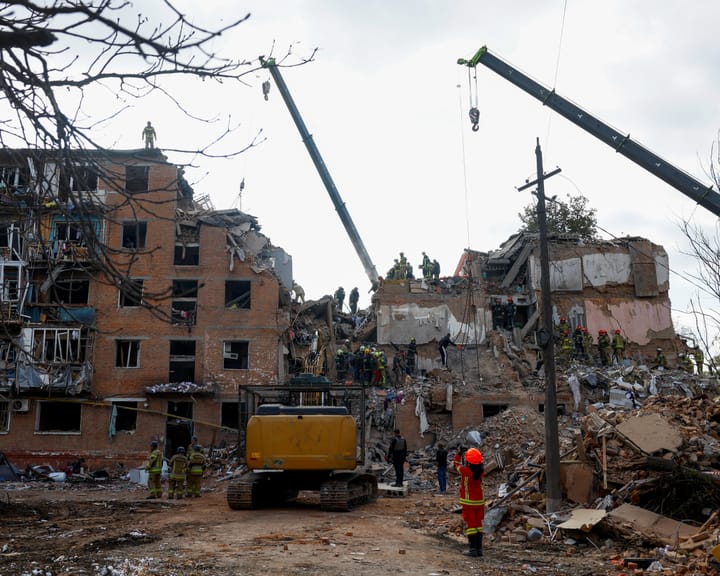
Ukraine Reports Russia Bombed Apartment Building Coinciding with Putin's Birthday
Volodymyr Zelenskyy has accused Russia's military of deliberately targeting civilians and bombing residential buildings as a grim gift for Vladimir Putin, who celebrates his 74th birthday on Wednesday.
Ukraine’s president described Russia’s overnight drone and missile strikes, which killed at least 24 people, as “despicable.” “The

Fears of 'another coup d'état' grow as Flávio Bolsonaro vows to 're-democratise' Brazil
Flávio Bolsonaro, the leading candidate for Brazil's presidency, has promised to "re-democratise" the nation, raising concerns about potential authoritarian governance should he win. Brazil transitioned to democracy in the 1980s after a harsh 21-year dictatorship, a period lauded by Flávio's father, former