
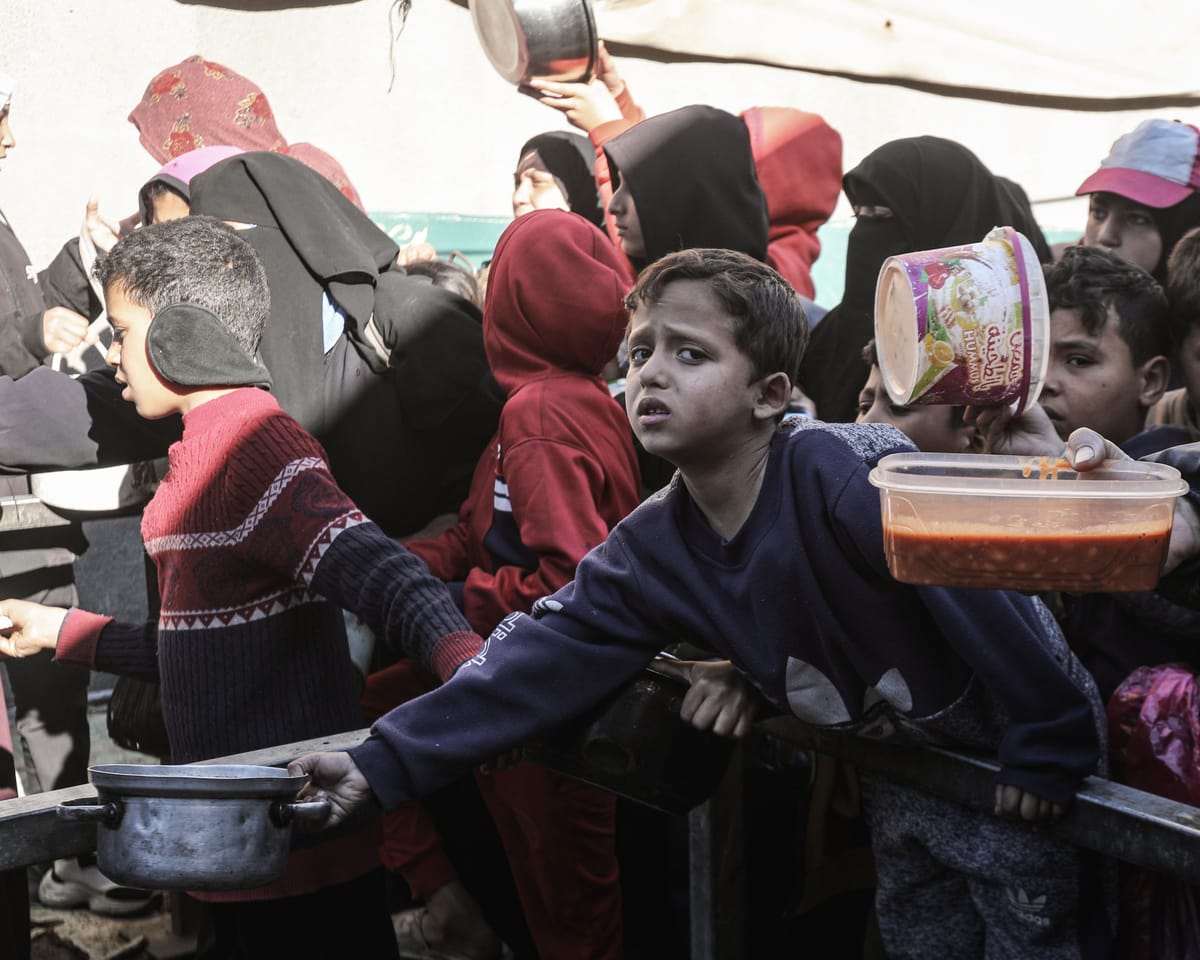
Israel sealed every crossing into Gaza without a set date after its strike on Iran, enforcing a blockade that has already raised food costs and endangers two million residents with a fresh famine risk.
More than two years into the conflict, with Israeli troops holding roughly 60 % of the area, the vast majority of Gaza’s provisions must be imported.
Aid agencies that provide meals to most inhabitants report that the stocks they possessed on the Saturday the hostilities started will survive only a handful of days.
“Should the crossings remain shut, World Central Kitchen will exhaust its food reserves this week,” said its founder José Andrés in an online statement.
“We prepare one million hot meals daily and require fresh deliveries each day.”
An international food‑security specialist noted that only a week’s worth of fresh produce remains in Gaza.
Local bakeries serving the most at‑risk residents possess enough flour for roughly ten days of bread, while aid parcels cover about fourteen days.
Israel instituted a full blockade of Gaza last spring, then imposed severe limits on food deliveries, actions that contributed to a famine last summer.
Hundreds lost their lives attempting to reach distribution sites of the newly formed Gaza Humanitarian Foundation, which operated solely in zones under Israeli control.
When reports of Israel’s strike on Iran circulated, Palestinians recalling past famines and severe scarcity hurried to purchase provisions, driving prices higher.
A 25‑kilogram bag of flour now costs between 80 and 100 shekels, up from roughly 30 shekels a week earlier, while items such as sugar, diapers and cooking oil have seen prices double.
“Our greatest fear is a renewed famine in Gaza, even more than the bombardment,” said Sobhi Al‑Zaaneen, a 50‑year‑old father of seven from northern Gaza.
He chose to purchase additional food despite the expense. “I’m heading to the market now to secure what we need before prices rise further,” he said.
Many Gaza residents lack the means to stockpile, having lost homes and jobs in the conflict and depleting any savings to get by.
“I cannot afford to purchase and store food before prices climb, as some have managed,” said Um Mohammed Hijazi, a 49‑year‑old mother of five whose home was destroyed and who has been displaced five times.
“Fortunately, I have a modest food reserve from aid agencies, which might last a few days if the crossings stay closed,” she added.
Certain staples are scarcer than a week earlier, and Hijazi reported hearing that some merchants have hoarded goods, anticipating profit from additional price hikes.
As the controlling authority in Gaza, Israel bears a legal duty to guarantee adequate food for civilians, a responsibility that remains unchanged by the conflict with Iran, according to Jan Egeland of the Norwegian Refugee Council.
Read next
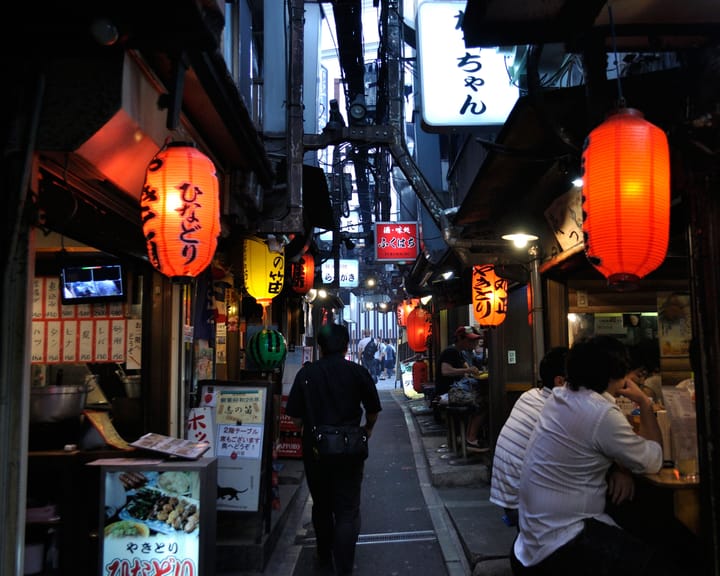
Tokyo tourist hotspot outlaws short-term rentals amid complaint surge
Shinjuku Ward, Tokyo, has moved to ban short-term rental accommodations in residential areas and near schools and important cultural sites, following a slew of complaints about visitor behaviour. The decision, to be enacted through a local ordinance, marks the latest sign that Japan’s patience with mass tourism is
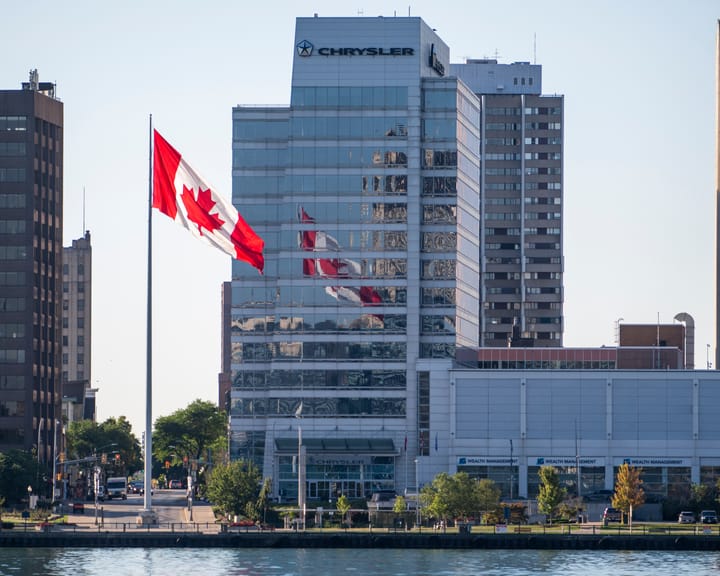
Canada implements retaliatory US tariffs as trade dispute intensifies
Canada’s retaliatory tariffs on about $20 billion worth of American imports took effect at 12.01am on Tuesday, ranging from 15% to 50% and applying to steel, dairy, appliances, agricultural equipment, pulp and paper, and electronics. The measures, a response to the United States’ 50% tariff on $20 billion

Prosecutor general resigns amid political turmoil in Kyiv during Ukraine war
Ukraine’s prosecutor general Ruslan Kravchenko resigned amid corruption accusations after anti-graft officers searched his offices at the weekend. He called the allegations “completely unsubstantiated” and denied wrongdoing. The National Anti-Corruption Bureau (NABu) and Specialised Anti-Corruption Prosecutor’s Office (Sapo) announced Saturday they uncovered a money-laundering