
Japan’s Ruling Coalition Expected to Lose Upper House, Exit Polls Show
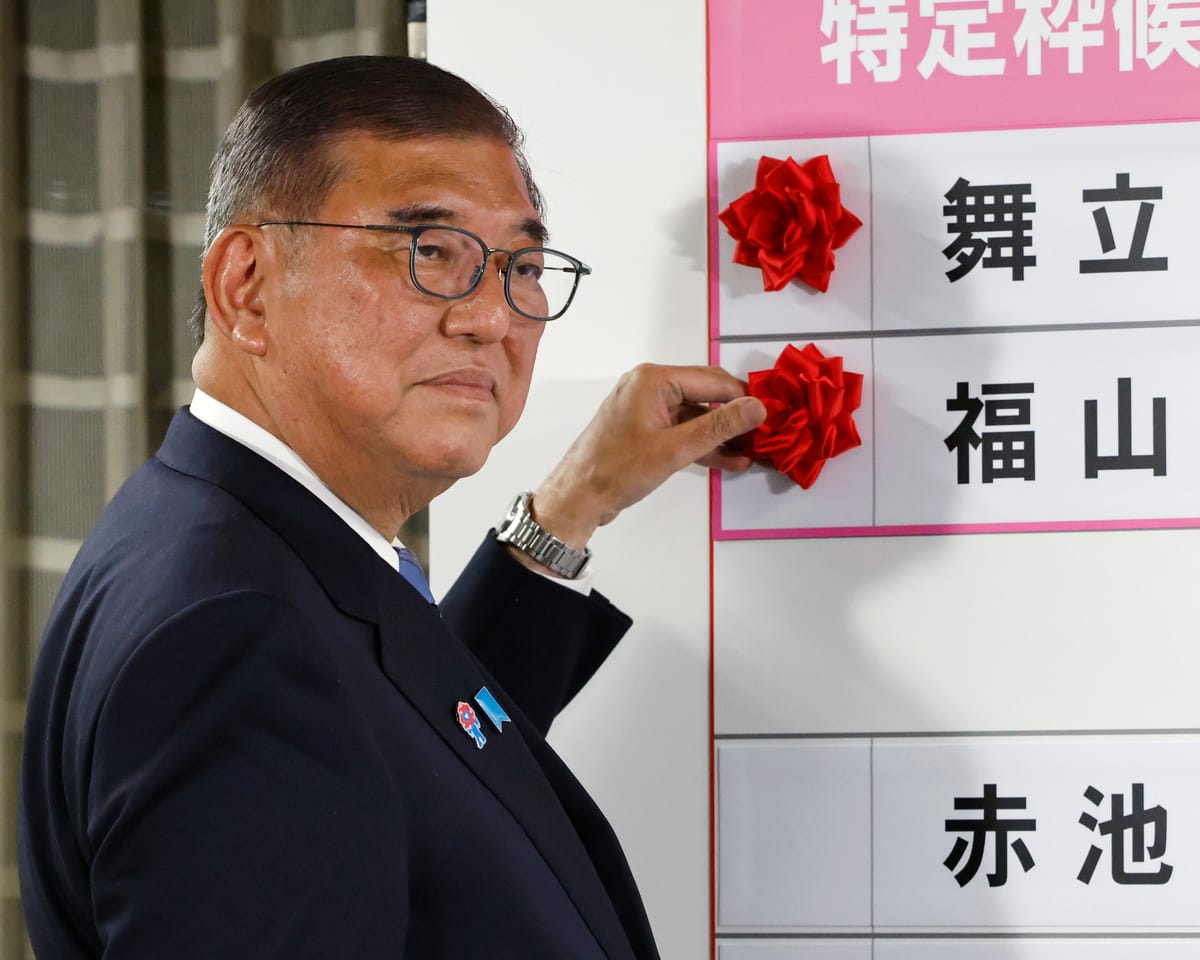
Japan’s fragile ruling coalition is projected to lose its majority in the upper house, according to exit polls following Sunday’s election, raising the possibility of political instability as a trade deadline with the US approaches.
While the election does not directly decide whether Prime Minister Shigeru Ishiba’s minority government will collapse, it increases pressure on the leader, who already lost control of the more influential lower house in October.
Ishiba’s Liberal Democratic Party (LDP) and its coalition ally, Komeito, needed 50 seats to secure the 248-member upper chamber, with half the seats contested in this election. Public broadcaster NHK’s exit poll suggested they would secure between 32 and 51 seats, while other broadcasters estimated 41 to 43 seats. Falling below 46 would mark their worst performance since forming the coalition in 1999.
This follows their weakest result in 15 years in October’s lower house election, leaving Ishiba’s administration open to no-confidence votes and internal calls for a leadership change. Speaking to NHK two hours after polls closed, Ishiba said he “solemnly” accepted the “harsh outcome.”
When asked if he planned to remain as prime minister and party leader, he replied, “that’s right.”
“We are in crucial trade negotiations with the United States… We must not jeopardize these talks. It is essential to focus entirely on securing our national interests,” he later told TV Tokyo.
Japan, the world’s fourth-largest economy, must reach a trade agreement with the US by 1 August or face severe tariffs in its biggest export market.
NHK’s exit poll indicated the main opposition Constitutional Democratic Party could win 18 to 30 seats, up from 22 previously. The far-right Sanseito, launched online a few years ago, has gained unexpected support with its nationalist platform and warnings about foreign influence. It is projected to win 10 to 15 seats, up from one, though it holds just three in the lower house.
Rising living costs, particularly for rice, have fueled voter frustration, with opposition parties advocating tax cuts and increased welfare spending gaining traction.
“The LDP was on the defensive in this election, misaligned with a key voter concern,” said David Boling of Eurasia Group. “Most households want a reduction in the consumption tax to counter inflation, which the LDP opposes. Opposition parties capitalized on this.”
The LDP has emphasized fiscal restraint, cautious about unsettling the bond market, as investors worry over Japan’s ability to manage its massive public debt.
Read next

Outrage and Crackdown: Controversial Electoral Changes Ignite Shock and Anger
In recent months, India has seen a rise in public discontent due to various political and administrative actions. Central to the current unrest is the demand for the removal of Chief Election Commissioner Gyanesh Kumar and the annulment of a controversial electoral roll revision that removed 130 million people from

Same-Sex Couple Challenges Slovakia Over Marriage Registration Refusal
In Slovakia, a same-sex couple is challenging the authorities for their refusal to recognize their Austrian marriage, testing whether an EU court ruling can ensure legal recognition at home. Ivan Novotný, 31, and Metod Špaček, 51, married in Austria in 2020, yet their marital status remains unrecognized in Slovakia,
Five Fatalities Reported on Mexico’s Pacific Coast as Hurricane Simon and Tropical Storm Rachel Strike
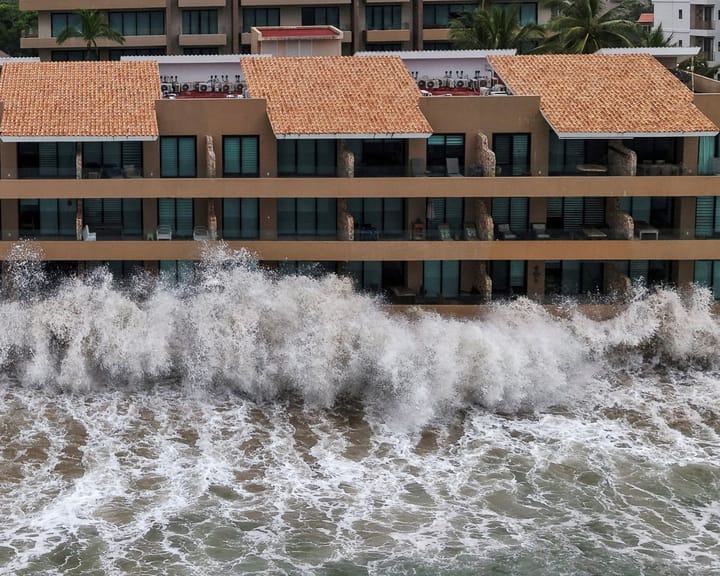
At least five fatalities have occurred following the impact of Hurricane Simon and Tropical Storm Rachel on Mexico's Pacific coast, resulting in widespread flooding that toppled trees and power lines, obstructed roads, and flooded homes.
Governor Evelyn Salgado reported that a 71-year-old man died in Chilpancingo,