
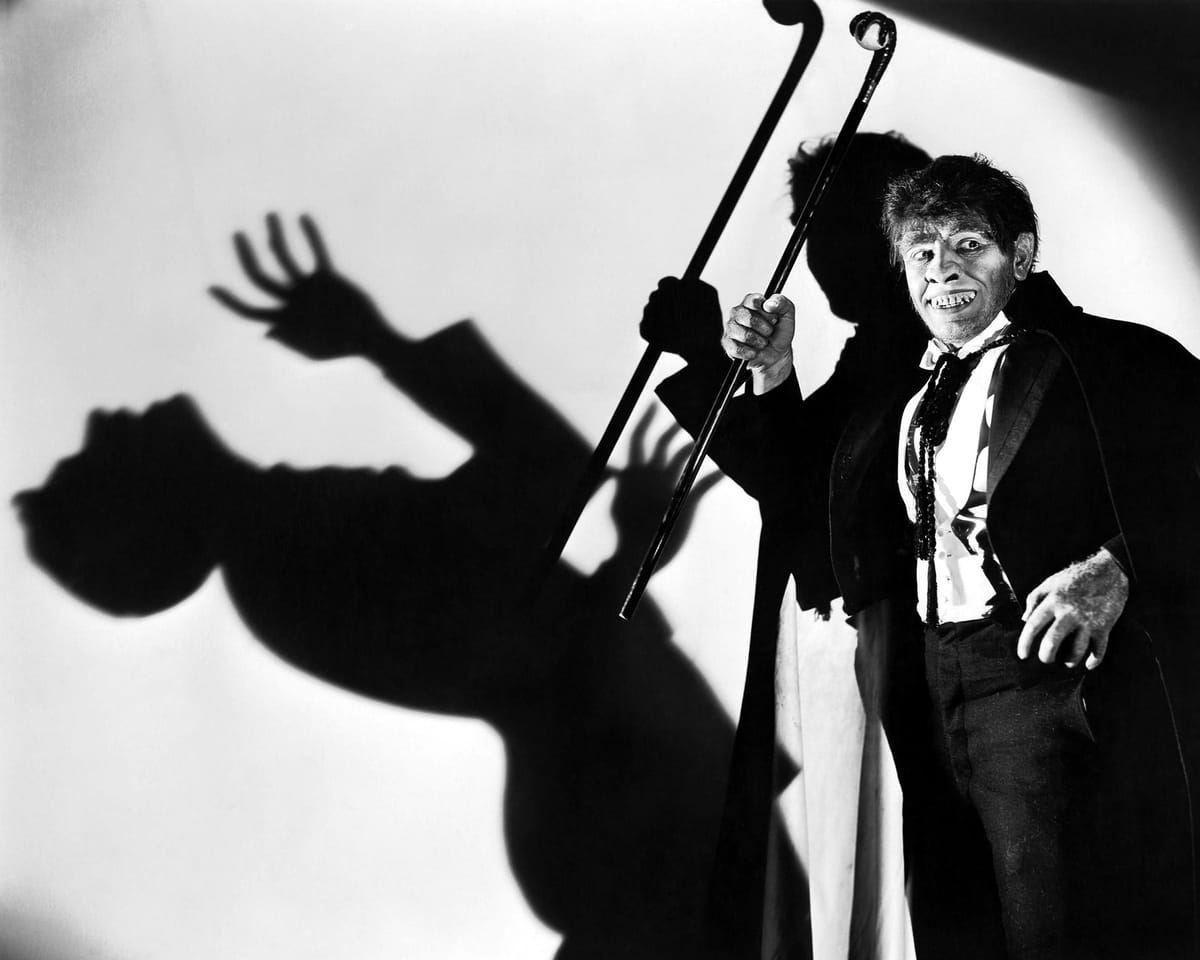
The Ballad of Black Tom by Victor LaValle (Penguin, £9.99)
This short novel, published in the US in 2016, garnered numerous genre accolades. Victor LaValle, a Black author, had a complex relationship with H.P. Lovecraft’s works. As a child, LaValle was fascinated by Lovecraft's cosmic horror stories, but later recognized the racism and other prejudices inherent in them. Instead of discarding Lovecraft’s stories due to their influence on his imagination, LaValle crafted his own narrative in response to the notably racist "The Horror at Red Hook." He retold the story from the perspective of a musician and hustler from 1920s Harlem, later known as Black Tom. The novel masterfully intertwines everyday horror with the supernatural, showcasing LaValle's brilliant storytelling.
As You Wake, Break the Shell by Becky Chambers (Hodderscape, £22)
Set in a distant planet's challenging environment, this cozy science fiction romance follows human colonists' struggles. The story begins with botanist Signy, who hasn't yet met her future partner, Cora, a rorqual pilot. Rorquals are enormous interplanetary creatures trained by human pilots using implants to communicate with them for transporting supplies. The narrative jumps to Chapter 764, more than a decade later, when Signy and Cora are happily married. The non-linear timeline, possibly reflecting the rorqual perception of time, diminishes suspense. While the characters are endearing and their experiences, such as growing plants artificially or Cora's bond with her rorqual, are engaging, the slow pace and repetitive expressions of affection may test readers' patience. Even the "naturally solitary" rorqual expresses love for Cora. The story ends on a cliffhanger, with a tonal shift in the final pages, leaving readers eager for a sequel to discover how Cora and Signy overcome challenges.
The Eye of Goliath by Diego Muzzio, translated by Rahul Bery (Pushkin, £12.99)
This debut novel by Argentinian writer Diego Muzzio is a traditional tale of madness and war horrors. Set around 1920 in an Edinburgh asylum, Dr. Pierce uses hypnosis to treat severely traumatized patients, all of whom, including the doctor, bear wounds from World War I. His newest patient, David Bradley, a former engineer, futilely attempts to swim on dry land until exhausted. Bradley’s diary reveals the cause of his descent into madness, set in a desolate lighthouse where he, cold and starving, awaits rescue that never comes. Bradley finds papers left by the last lighthouse keeper, a naturalist and taxidermist who murdered his family, adding to the gothic horror of this gripping narrative.
Read next

Sebastian Barry's The Newer World: a near-miracle of storytelling review
Sebastian Barry’s latest novel, *The Newer World*, gives voice to Tennyson Bouguereau, a formerly enslaved man navigating post-Civil War America. Through Tennyson’s recollections, the narrative revives the perennial question: is history better served by novelists or historians? Historians might demur, but as Barry illustrates, fiction can fill

Wim Wenders says film-makers should not avoid political involvement
Filmmaker Wim Wenders has clarified his earlier comments on the relationship between cinema and politics. Speaking at the Venice film festival, he stated that he does not believe filmmakers should completely avoid political engagement.
Earlier in the year, while serving as jury president at the Berlin film festival, Wenders told
The week around the world in 20 images
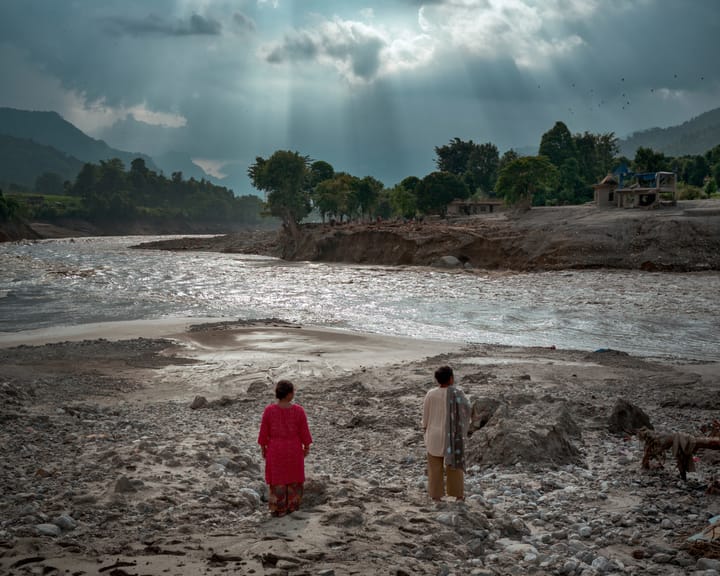
The week witnessed a series of catastrophic events, including the devastating floods along the Nepal-Tibet border, Russian missile attacks on Kyiv, the rapid spread of the Plaskett Fire across California, and the vibrant celebration of the Notting Hill carnival. The following images, captured by top photojournalists, document these moments.