
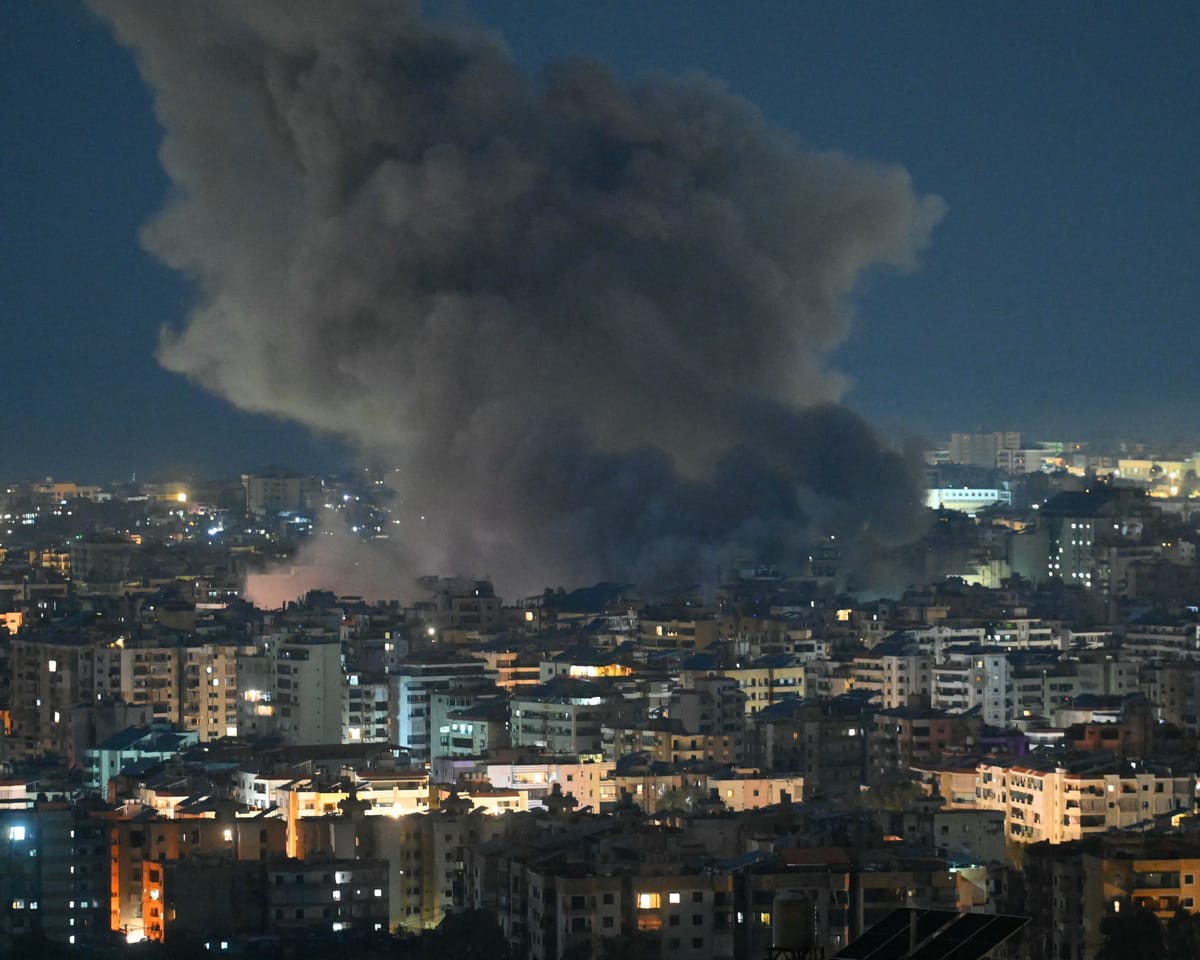
U.S. tells non‑essential personnel to depart Bahrain, Jordan and Iraq
The State Department announced on Tuesday that it had instructed non‑emergency staff and their families to leave Bahrain and Jordan, and confirmed that a day earlier it had ordered similar personnel to exit Iraq as Tehran responds to recent U.S.–Israeli attacks.
In a post on X, the department said it had revised travel advisories for Bahrain and Jordan “to reflect the ordered departure of non‑emergency U.S. government personnel and family members of government personnel.”
An updated advisory for Iraq added that on Monday “non‑emergency U.S. government employees were ordered to leave Iraq because of security concerns,” according to AFP.
---
AI‑driven strikes accelerate the pace of conflict
Experts warn that the use of artificial‑intelligence tools to conduct attacks on Iran marks a shift toward operations that can unfold faster than “the speed of thought,” raising concerns that human decision‑makers could be sidelined.
Robert Booth and Dan Milmo reported that an Anthropic AI model was allegedly employed by the U.S. military during a recent wave of strikes, a development that “shortens the kill chain” – the sequence from target identification through legal clearance to launch.
The United States and Israel, which have previously used AI to pinpoint targets in Gaza, carried out nearly 900 attacks on Iranian sites within the first twelve hours, a period that also saw Israeli missiles kill Iran’s supreme leader, Ayatollah Ali Khamenei.
Scholars studying the field say AI is compressing the planning time required for complex operations – a trend known as “decision compression.” Some fear this could reduce military and legal experts to merely endorsing automated strike plans.
---
U.S. officials justify pre‑emptive action
Secretary of State Marco Rubio asserted that the United States struck Iran after learning that Israel intended to launch an attack that would have provoked retaliation against U.S. forces.
“We knew that if we didn’t act pre‑emptively before they carried out those attacks, we would suffer higher casualties,” he told reporters.
Rubio’s rationale differs from the explanations offered by former President Donald Trump and former Defense Secretary Pete Hegseth, as outlined in our latest “what we know” briefing on the conflict.
Rubio also warned that the “hardest hits” the U.S. military will deliver to Iran are still forthcoming.
Trump has suggested that U.S. strikes on Iran could extend far beyond the four‑to‑five‑week window he initially projected, seeking to justify a broader, open‑ended engagement.
Israeli Prime Minister Benjamin Netanyahu, for his part, said the war with Iran may last “some time” but will not stretch into years, telling Fox News: “It’s not an endless war.”
---
Israeli air force statement
The Israeli Air Force posted on X that its operations continue, emphasizing the ongoing nature of the campaign.
Read next

Tokyo tourist hotspot outlaws short-term rentals amid complaint surge
Shinjuku Ward, Tokyo, has moved to ban short-term rental accommodations in residential areas and near schools and important cultural sites, following a slew of complaints about visitor behaviour. The decision, to be enacted through a local ordinance, marks the latest sign that Japan’s patience with mass tourism is

Canada implements retaliatory US tariffs as trade dispute intensifies
Canada’s retaliatory tariffs on about $20 billion worth of American imports took effect at 12.01am on Tuesday, ranging from 15% to 50% and applying to steel, dairy, appliances, agricultural equipment, pulp and paper, and electronics. The measures, a response to the United States’ 50% tariff on $20 billion
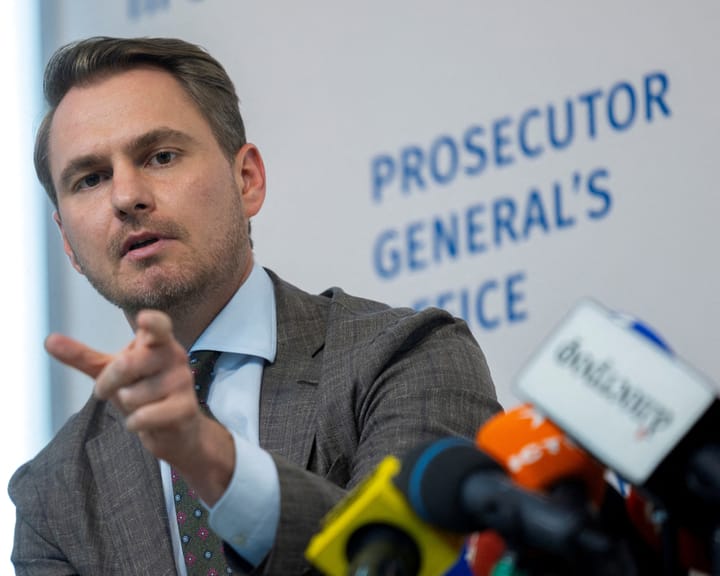
Prosecutor general resigns amid political turmoil in Kyiv during Ukraine war
Ukraine’s prosecutor general Ruslan Kravchenko resigned amid corruption accusations after anti-graft officers searched his offices at the weekend. He called the allegations “completely unsubstantiated” and denied wrongdoing. The National Anti-Corruption Bureau (NABu) and Specialised Anti-Corruption Prosecutor’s Office (Sapo) announced Saturday they uncovered a money-laundering