
Gold Rush: Record Prices and Long Queues as Demand Surges
Prakas buys a small amount of gold annually, always on a Saturday, to mark the Hindu festival of Diwali. This year, however, thousands of eager buyers and an unprecedented price surge complicated his plans.
“I’ve never seen anything like this,” he says. “Maybe I’ll just get something smaller … if I can afford it … just to keep the tradition alive.”
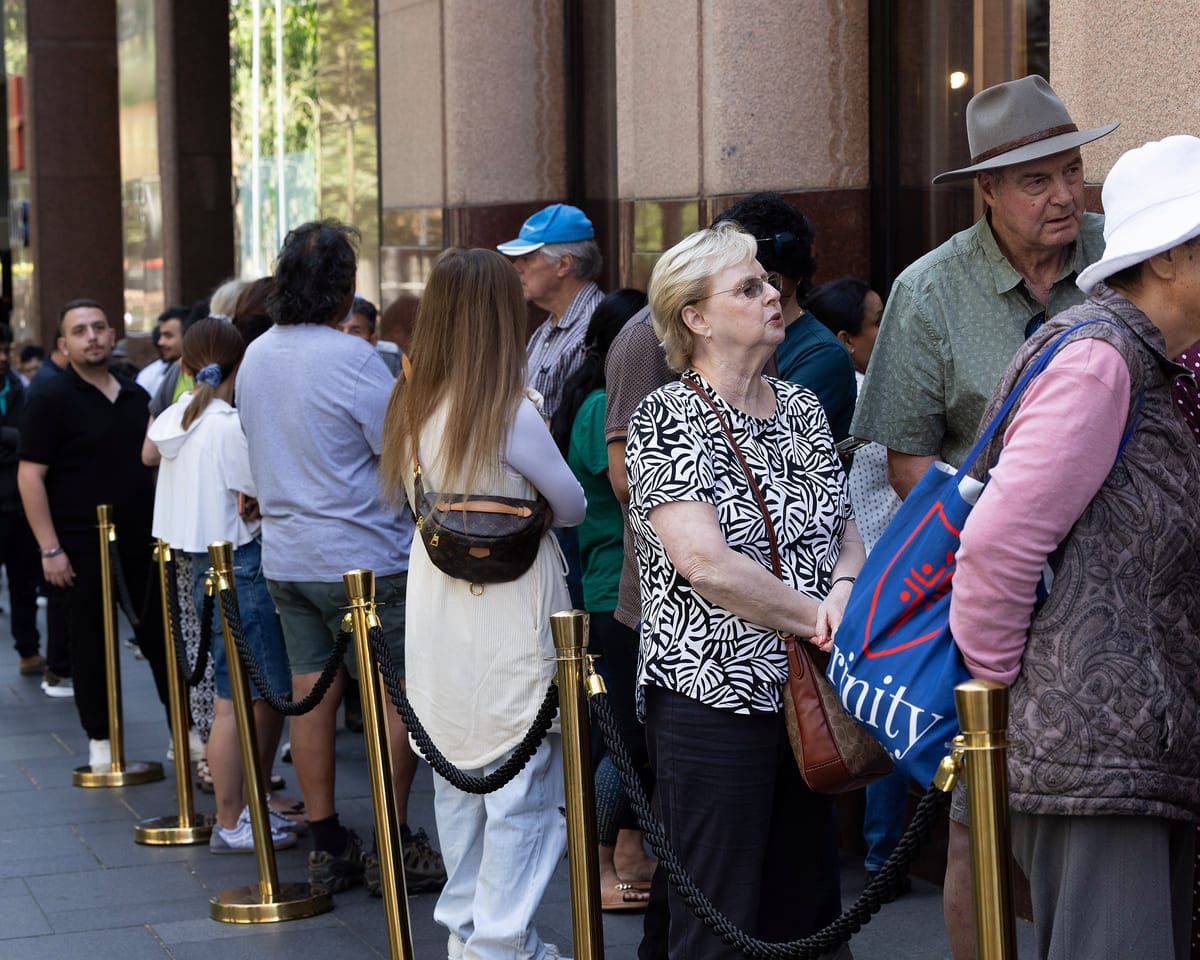
The Nepali Australian traveled for an hour to Sydney’s central business district on Saturday, only to turn back when he saw a line of around 400 people stretching across Martin Place. Hoping to avoid the wait, he tried purchasing online but ended up stuck in a two-hour virtual queue when he returned to ABC Bullion on Tuesday.
In just three days, the price of gold had climbed from roughly $4,200 an ounce to over $4,300, part of a two-month rise that has captured widespread interest.
Jordan Eliseo, the general manager at ABC Bullion, reports that about 1,000 people have visited the Sydney store daily for over a month, with thousands more making purchases online. Customers arrive early, some before 9 a.m., waiting for hours in line. The surge has forced the store to extend its hours and hire five additional staff in recent weeks.
“This is the first time we’ve seen such a sustained increase in demand,” Eliseo says.
“It’s like a gold rush … People hear about it and think, ‘Maybe I should get some too.’”
Eliseo, who took over management three years ago, has seen prices more than double, rising from $1,700 to $3,400 by April before jumping another $1,000 in the last two months. While some clients are selling, many believe the momentum will continue and are buying at all-time highs.
Sayed, a tradesman from Campbelltown, has already profited from the rising prices and is considering another purchase—though he admits he has “no idea” where the market is headed.
“It might go up again,” he says.
Analysts agree, citing ongoing economic uncertainty, geopolitical tensions, and instability as reasons investors continue turning to gold as a safe asset. The Royal Bank of Canada recently raised its forecast, suggesting prices could reach $5,000 by early 2026 due to global unpredictability.
Investors are also shifting away from stocks, wary of potential overvaluation in markets driven by artificial intelligence hype, as well as from cash holdings, where inflation and falling interest rates reduce returns. This trend spans investment funds, central banks, and individual buyers like Avtar, a nurse from Sydney’s northern suburbs, who waited in line Tuesday to expand his gold holdings.
Avtar withdrew $78,000 from a term deposit with ANZ and invested it in gold.
Read next
Jaguar Land Rover suppliers voice ‘everything is against us’ amid cutbacks
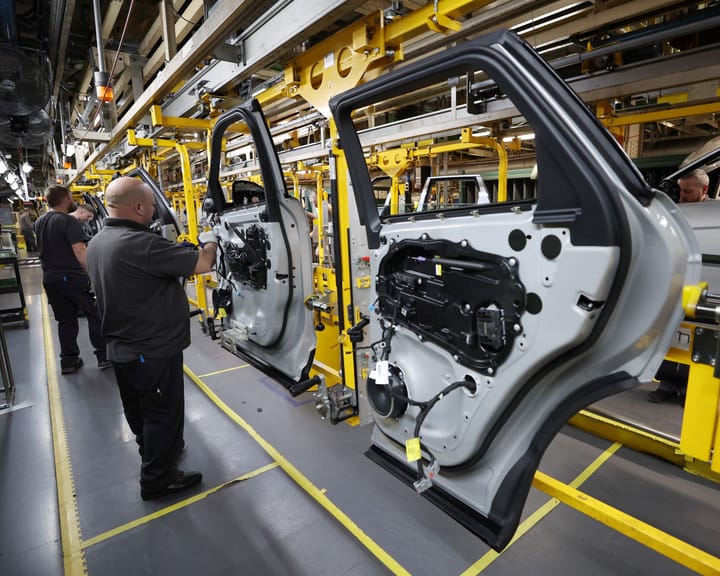
David Roberts, chair of Coventry-based Evtec, says the outlook for Britain’s automotive sector is grim, with “everything against us.” Evtec is a tier 1 supplier to Jaguar Land Rover, which this week announced 4,000 job cuts over two years despite chancellor John Healey’s attempt to talk

Europe’s fighter jet plans in disarray: what comes next?
When former ECB president and Italian PM Mario Draghi urged Europe to catch up economically with the US and China, defence collaboration was prescribed. No more should each nation build independent boats, tanks or jets; allies should share costs and technologies.
Europe stumbled at the first hurdle. German Chancellor Friedrich
John Healey supports growth but insists Labour must be truthful about spending
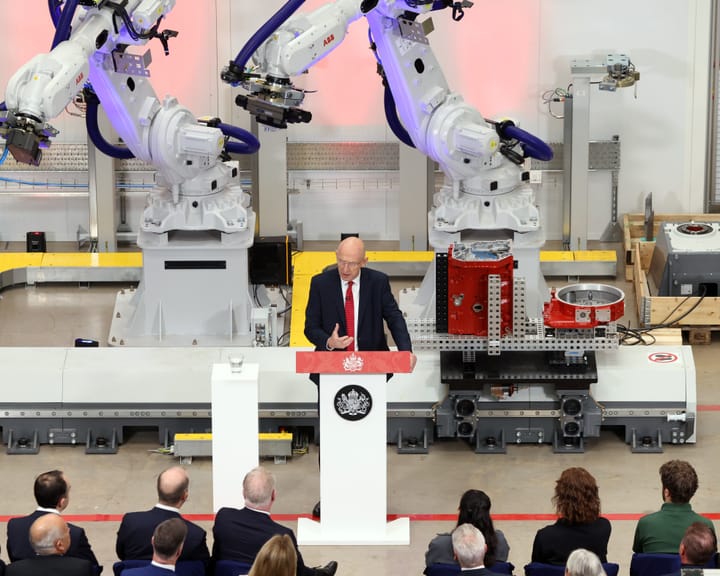
John Healey has stated that his primary goal as chancellor will be to boost economic growth, while acknowledging that Labour must be straightforward about controlling public spending at next month's budget.
In his first major address since assuming the role in July, Healey said the leading focus of