
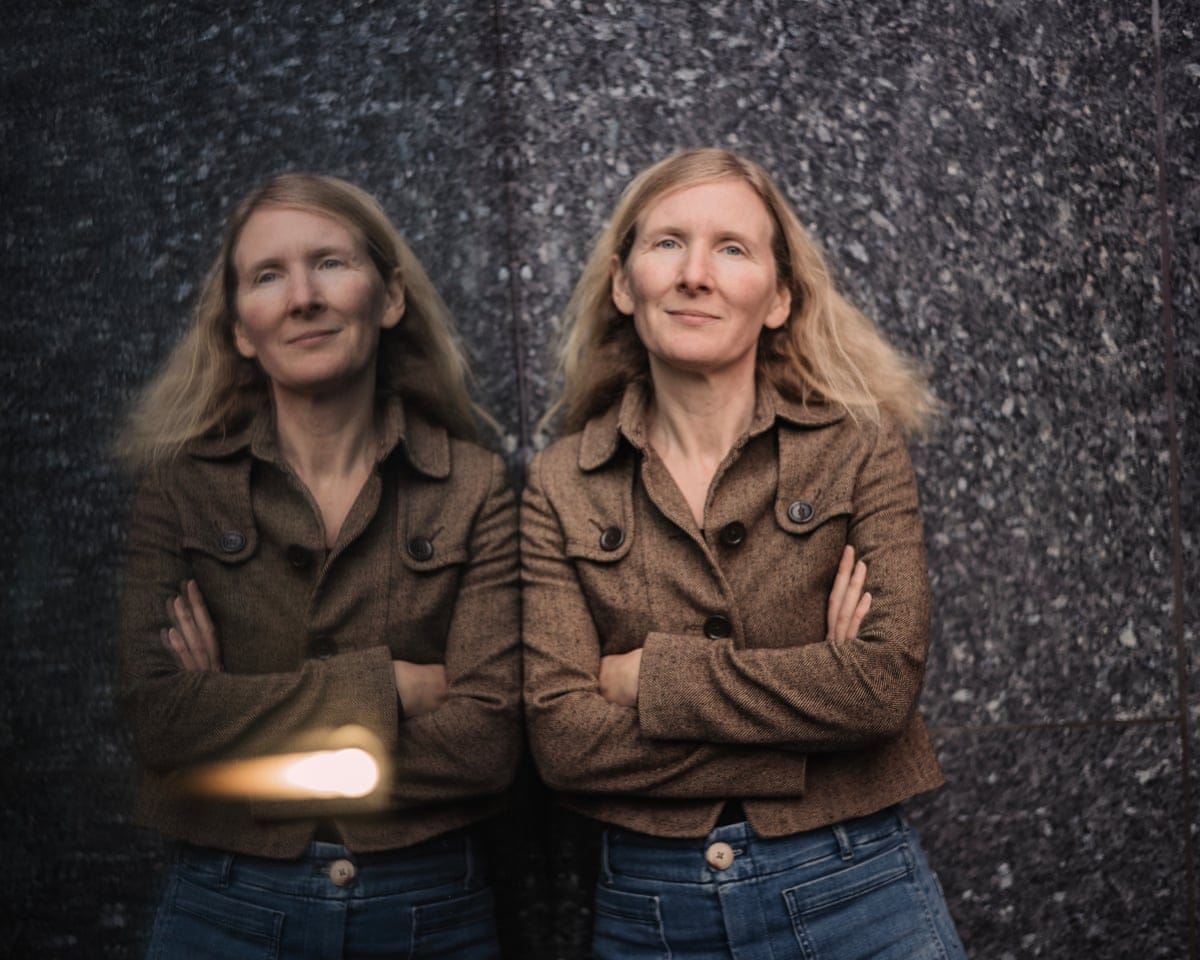
Astronauts' Daily Life Aboard the International Space Station Explored in Award-Winning Novel
Samantha Harvey’s *Orbital*, which won last year’s Booker Prize, follows six astronauts aboard the International Space Station as they navigate the extraordinary challenges of life in orbit. From Russia, the United States, Japan, Italy, and the UK, the crew members live precariously, having willingly launched into space aboard a vessel propelled by volatile fuel before enduring the crushing forces of re-entry.
Harvey avoids extensive background details on the astronauts, focusing instead on their routines—maintaining their health and keeping their living quarters functional. The novel captures how even the simplest activities, like eating or brushing teeth, become complex in zero gravity: toothpaste foam must be swallowed, and utensils cling to surfaces with magnets.
Despite their constant proximity, the astronauts experience deep isolation. Harvey writes, “They are so together, and so alone, that even their thoughts, their internal mythologies, at times convene.” Yet, their shared existence also creates a temporary escape from earthly divisions, with cooperation becoming essential as they work and breathe the same recycled air.
Narrated by actor Sarah Naudi, the audiobook delivers a poetic and mesmerizing performance that matches its cosmic setting. As the crew circles Earth 16 times a day, they contemplate philosophy, the concept of divinity, and the delicate beauty of human existence. From their unique perspective, “the earth … is like heaven. It flows with colour. A burst of hopeful colour.” The audiobook spans 5 hours and 7 minutes.
Read next
Sebastian Barry's The Newer World: a near-miracle of storytelling review
Sebastian Barry’s latest novel, *The Newer World*, gives voice to Tennyson Bouguereau, a formerly enslaved man navigating post-Civil War America. Through Tennyson’s recollections, the narrative revives the perennial question: is history better served by novelists or historians? Historians might demur, but as Barry illustrates, fiction can fill
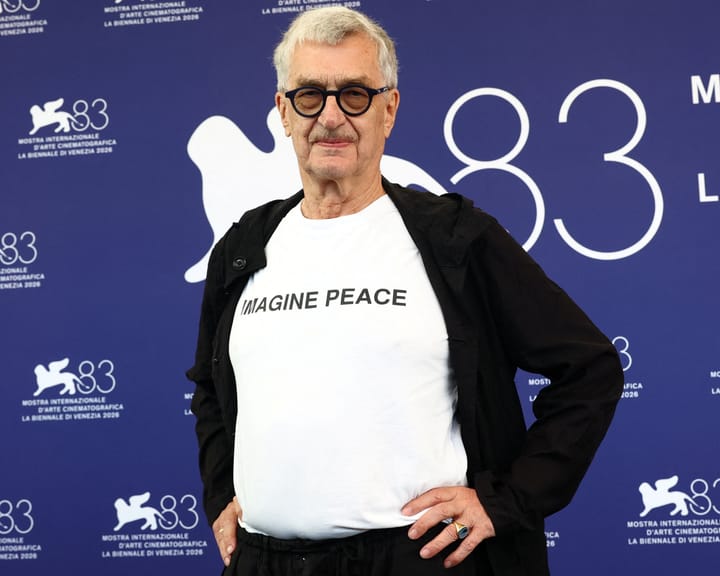
Wim Wenders says film-makers should not avoid political involvement
Filmmaker Wim Wenders has clarified his earlier comments on the relationship between cinema and politics. Speaking at the Venice film festival, he stated that he does not believe filmmakers should completely avoid political engagement.
Earlier in the year, while serving as jury president at the Berlin film festival, Wenders told
The week around the world in 20 images
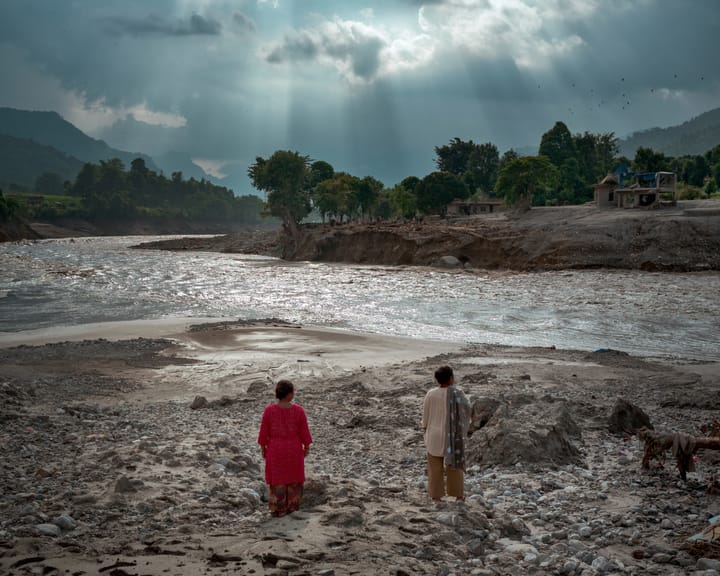
The week witnessed a series of catastrophic events, including the devastating floods along the Nepal-Tibet border, Russian missile attacks on Kyiv, the rapid spread of the Plaskett Fire across California, and the vibrant celebration of the Notting Hill carnival. The following images, captured by top photojournalists, document these moments.