
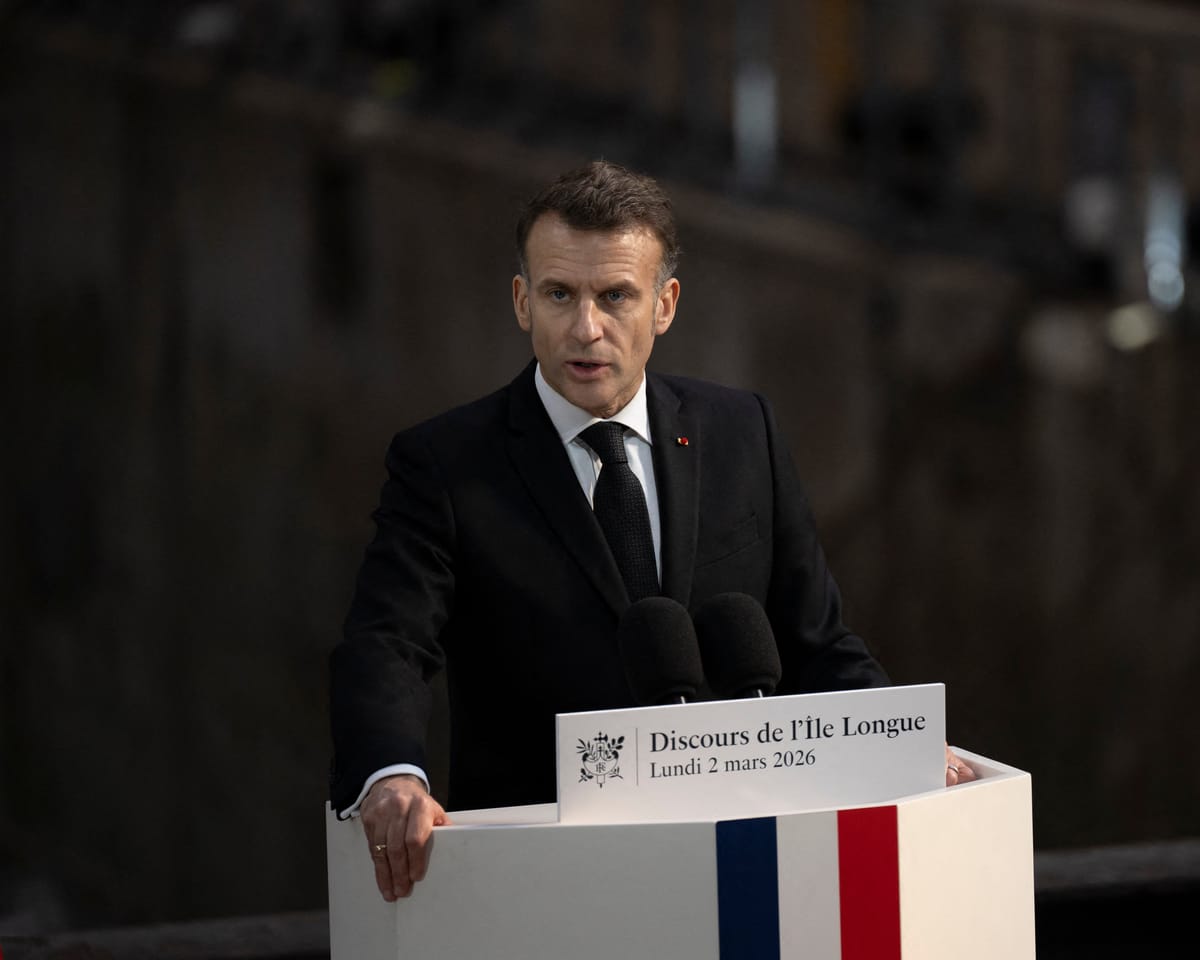
France plans to enlarge its nuclear stockpile for the first time in many years and to deepen nuclear‑weapon collaboration with eight European partners, including the United Kingdom, as part of a “major” reinforcement of its deterrence policy, President Emmanuel Macron announced.
With European leaders increasingly uneasy about uncertain U.S. commitments to the continent’s defence, the French head of state said on Monday that Paris could station nuclear‑capable Rafale fighters in allied nations such as Germany and Poland.
He stressed, however, that no authority over the use of France’s nuclear weapons would be shared; the “final decision” remains the president’s alone and the definition of France’s vital interests stays “sovereign”.
Speaking from the Île Longue submarine base in Brittany, Macron described a “period of geopolitical upheaval, fraught with risk” that obliges France – the EU’s sole nuclear power – to bolster its deterrent “against multiple threats”.
He called an upgrade of the arsenal “essential”, noting that he had ordered an increase. France’s roughly 290 warheads, unchanged since 1992, rank fourth worldwide after Russia, the United States and China.
“My duty is to guarantee that our deterrence retains – and will retain in the future – its assured destructive power,” the president, who commands the armed forces, said.
Macron added that France will not disclose the exact number of warheads it possesses or intends to add, insisting the expansion is required for maintenance. “This is not an arms race,” he affirmed.
“It is vital that any adversary, or coalition of adversaries, cannot even imagine striking France without being certain of suffering irrecoverable damage.”
He pointed to Russia’s war in Ukraine, now in its fifth year, China’s growing military strength and recent shifts in U.S. defence policy as reasons Europe must assume greater responsibility for its own security.
Announcing what he called the “gradual implementation of ‘advanced deterrence’”, Macron said France must also “place our deterrence strategy deep within the European continent, fully respecting our sovereignty”.
Under conditions yet to be defined, French “strategic assets” could be positioned in other European states, referring to the nuclear‑capable Rafale jets. Talks on expanded cooperation have already begun with the United Kingdom, Germany, Poland, the Netherlands, Belgium, Greece, Sweden and Denmark, he noted.
Read next
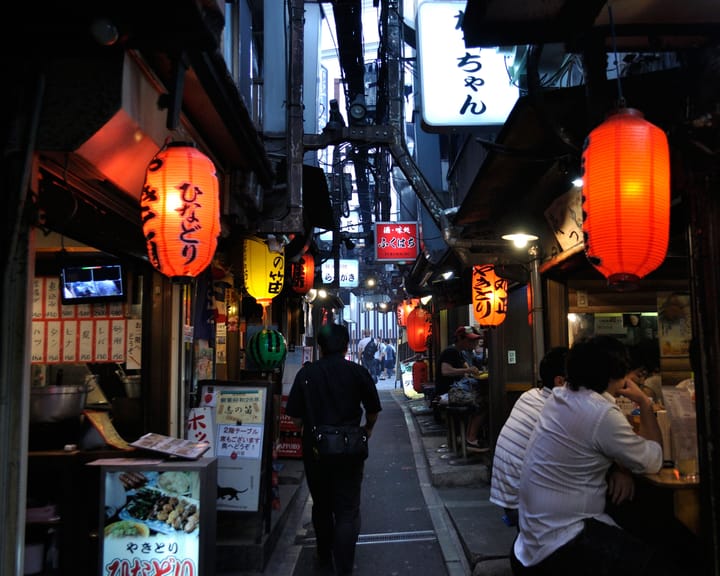
Tokyo tourist hotspot outlaws short-term rentals amid complaint surge
Shinjuku Ward, Tokyo, has moved to ban short-term rental accommodations in residential areas and near schools and important cultural sites, following a slew of complaints about visitor behaviour. The decision, to be enacted through a local ordinance, marks the latest sign that Japan’s patience with mass tourism is
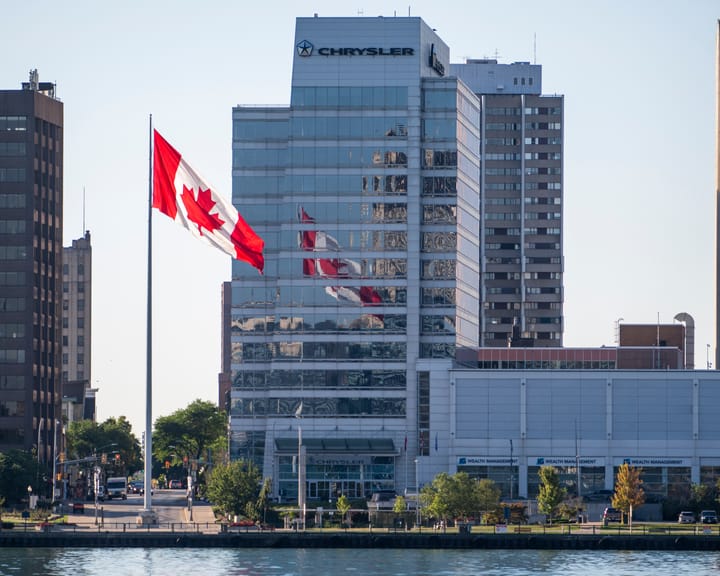
Canada implements retaliatory US tariffs as trade dispute intensifies
Canada’s retaliatory tariffs on about $20 billion worth of American imports took effect at 12.01am on Tuesday, ranging from 15% to 50% and applying to steel, dairy, appliances, agricultural equipment, pulp and paper, and electronics. The measures, a response to the United States’ 50% tariff on $20 billion
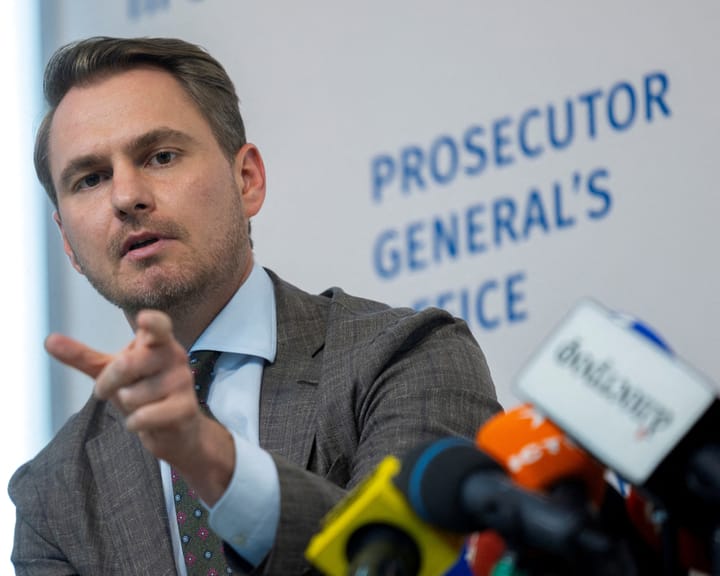
Prosecutor general resigns amid political turmoil in Kyiv during Ukraine war
Ukraine’s prosecutor general Ruslan Kravchenko resigned amid corruption accusations after anti-graft officers searched his offices at the weekend. He called the allegations “completely unsubstantiated” and denied wrongdoing. The National Anti-Corruption Bureau (NABu) and Specialised Anti-Corruption Prosecutor’s Office (Sapo) announced Saturday they uncovered a money-laundering