
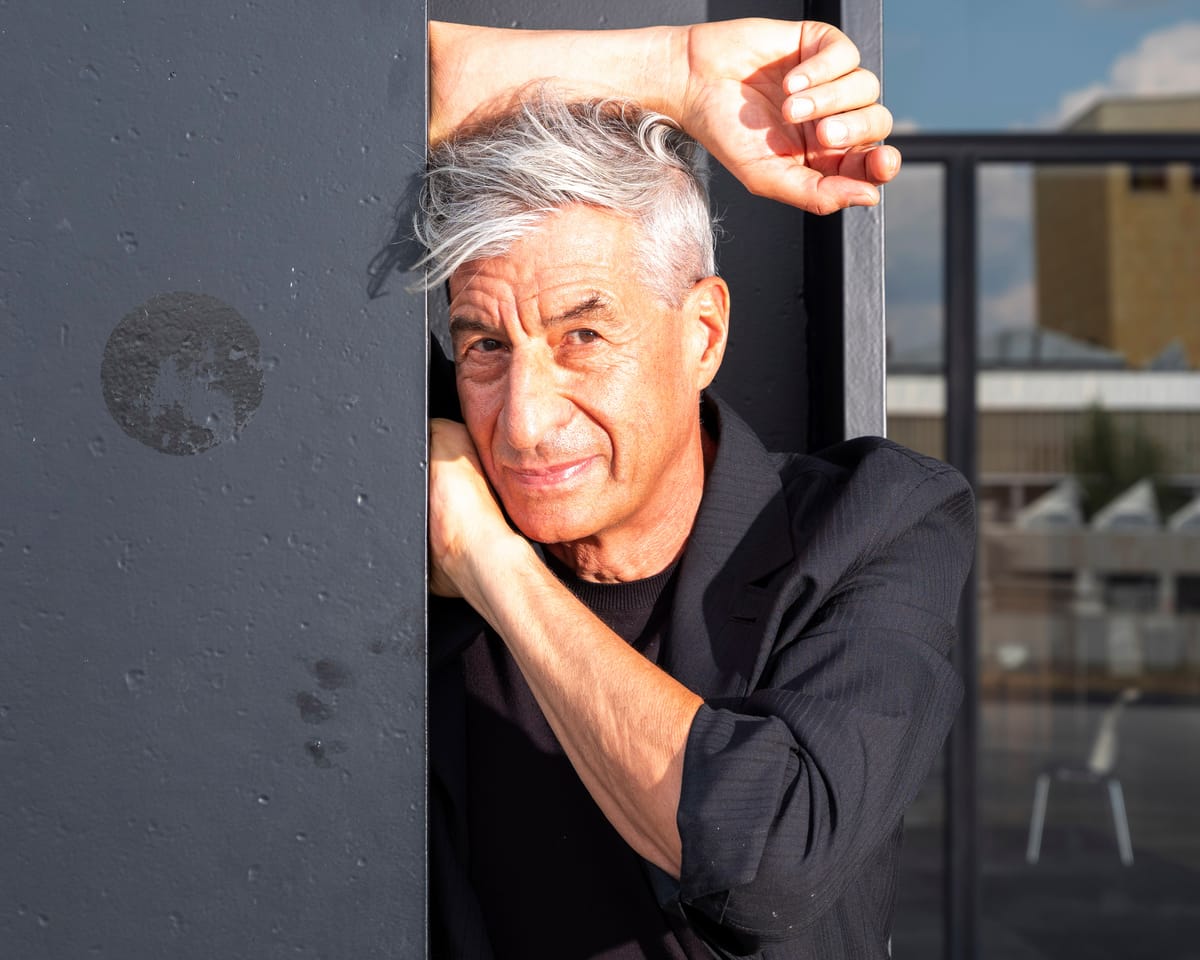
Maurizio Cattelan, the art world's playful provocateur, pauses when asked which object in his extensive new Berlin exhibition is most likely to be vandalised, stolen or consumed, then lets out a booming laugh. "There is no need to damage anything," says the lean, thoughtful Italian, explaining that he has already addressed all that, given how the work diminishes villains, imposters and straw men. "But," he says, referring to the show's bolder pieces, "maybe we need someone to resuscitate people."
Cattelan, who speaks in a melodic English, smiles widely, a mischievous gleam in his brown eyes. Speaking on the underground level of Mies van der Rohe's airy Neue Nationalgalerie (NNG) in Berlin, he moves between the playful and the serious in conversation, reflecting the wide range of his work. The silver-haired sculptor is best known for taping a banana to a wall in 2019 and titling it Comedian, as a wry commentary on the excesses of the art market. The joke gained momentum when it sold for $6.2m, then became absurd when its buyer took a bite out of his purchase and ate it.
There was also the gold toilet, titled America, installed at New York's Guggenheim in 2016, its curators later offering the piece to Donald Trump's White House in place of the Van Gogh it requested. Thieves subsequently stole the 18-carat toilet when it was displayed at Blenheim Palace, Winston Churchill's Oxfordshire birthplace.
"It's rare to be with an artist who is recognised on the street," says NNG director Klaus Biesenbach. "He achieved a level of accessibility with these easily communicated ideas: 'Someone puts a banana on the wall and it's sold for six million!' He is a very deep thinker who hides seriousness behind humour, and who conceals the sublime with irony."
Night, Cattelan's first major solo exhibition in Germany, was awarded to him as winner of this year's Neue Nationalgalerie prize recognising influential contemporary artists. Cattelan worked with curator Lisa Botti on new commissions, as well as choosing historic works from the past three decades, notably omitting his most famous pieces. "They were part of a different conversation," he says. "My work has always been serious. The problem is people often stop at the joke."
The show highlights the rise and fall of power, the controversy of collective memory, and the horror and hope of history, as embodied by its scarred and vibrant host city. "Night," he says, "is a beautiful title. We sleep, we love, we dream, we fear. It's a moment where things become unclear. And after night, there is dawn and another day. But it's certainly a suspended moment – a magical moment."
At the entrance, looking down from the roof, the 2003 work Never features Oskar, Günter Grass's unsettling child witness to the Nazi era from his novel The Tin Drum, silently beating out his warning.
Read next
Sebastian Barry's The Newer World: a near-miracle of storytelling review
Sebastian Barry’s latest novel, *The Newer World*, gives voice to Tennyson Bouguereau, a formerly enslaved man navigating post-Civil War America. Through Tennyson’s recollections, the narrative revives the perennial question: is history better served by novelists or historians? Historians might demur, but as Barry illustrates, fiction can fill
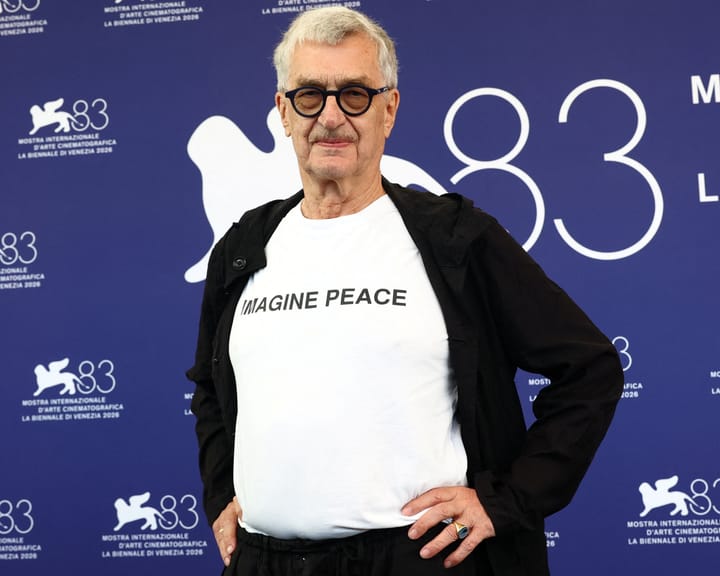
Wim Wenders says film-makers should not avoid political involvement
Filmmaker Wim Wenders has clarified his earlier comments on the relationship between cinema and politics. Speaking at the Venice film festival, he stated that he does not believe filmmakers should completely avoid political engagement.
Earlier in the year, while serving as jury president at the Berlin film festival, Wenders told
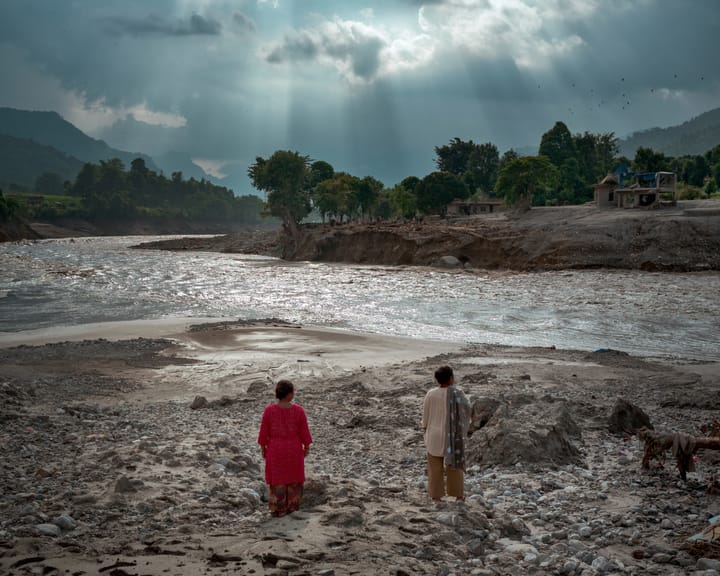
The week around the world in 20 images
The week witnessed a series of catastrophic events, including the devastating floods along the Nepal-Tibet border, Russian missile attacks on Kyiv, the rapid spread of the Plaskett Fire across California, and the vibrant celebration of the Notting Hill carnival. The following images, captured by top photojournalists, document these moments.