
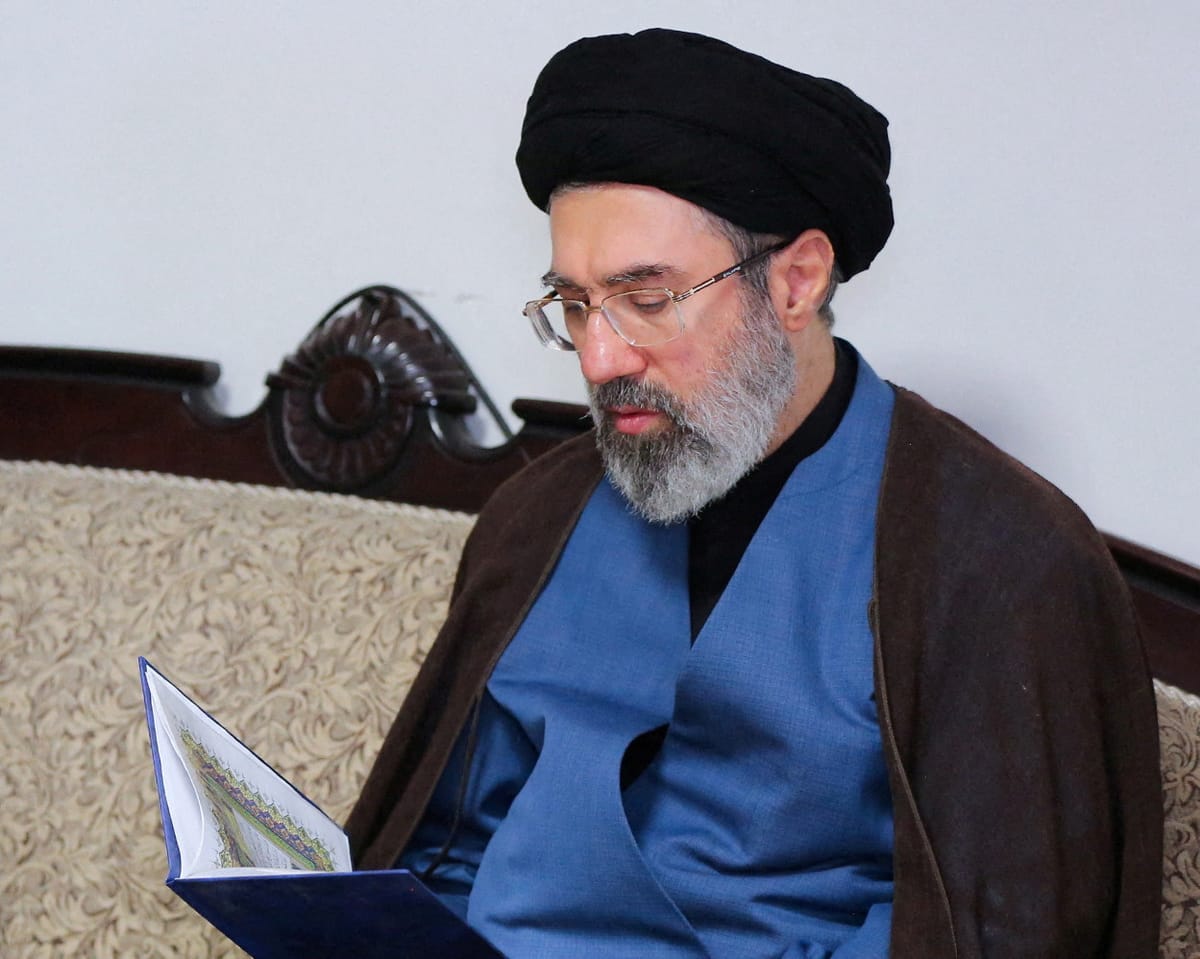
Mojtaba Khamenei, the second child of the late Ali Khamenei, is widely rumored to be the next supreme leader of Iran, a move that would place a hard‑line figure at the helm of the Islamic Republic during its most unsettled phase in its 48‑year existence and signal that, for the moment, no shift in policy is planned.
No formal announcement has been made and the declaration could be postponed until after Ali Khamenei’s funeral, which was delayed on Wednesday.
The candidate is thought to enjoy the backing of the Islamic Revolutionary Guard Corps (IRGC), while Israel’s defence minister, Gideon Saar, has warned that he could become a target of assassination.
Ayatollah Seyed Khatani, a member of the Assembly of Experts – the body that selects the supreme leader – said the council is nearing a decision.
Known for his staunch anti‑Western stance, Mojtaba Khamenei is not the type of leader former President Donald Trump would have preferred. Former US Secretary of State Marco Rubio remarked on Tuesday that Iran is governed by “religious fanatic lunatics,” and Khamenei’s elevation is unlikely to change that view.
The supreme leader is chosen by the 88‑member Assembly of Experts, which this time is considering six possible contenders. His appointment would be a strong, though predictable, indication that the regime does not intend to seek accommodation with the United States.
Trump has warned that the worst outcome would be a successor “as bad as the previous one.”
Speculation that he would follow his father has circulated for more than ten years, gaining momentum after the death of President Ebrahim Raisi, a close ally of Khamenei, in a helicopter crash.
Mojtaba Khamenei was born in 1969 and pursued theological studies after completing secondary school. He joined the Iran‑Iraq war at 17, but only in the late 1990s did he emerge as a recognized public figure.
Following the decisive loss of Khamenei’s favored candidate, Ali Akbar Nategh Nuri, in the 1997 presidential race—where he secured merely 25 % of the vote—conservative factions in Iran saw the need to restructure, with Mojtaba Khamenei playing a central role in that effort.
Reformists also view him as a key figure in quelling the 2009 protests that erupted after accusations of electoral fraud, with demonstrators chanting his name as a responsible party. Reformist veteran Mostafa Tajzadeh, who was jailed after the vote, claimed that his and his wife Fakhr al‑Sadat Mohtashamipour’s legal case was overseen directly by Mojtaba Khamenei.
In 2022 he received the rank of ayatollah, a step crucial to his advancement.
Read next
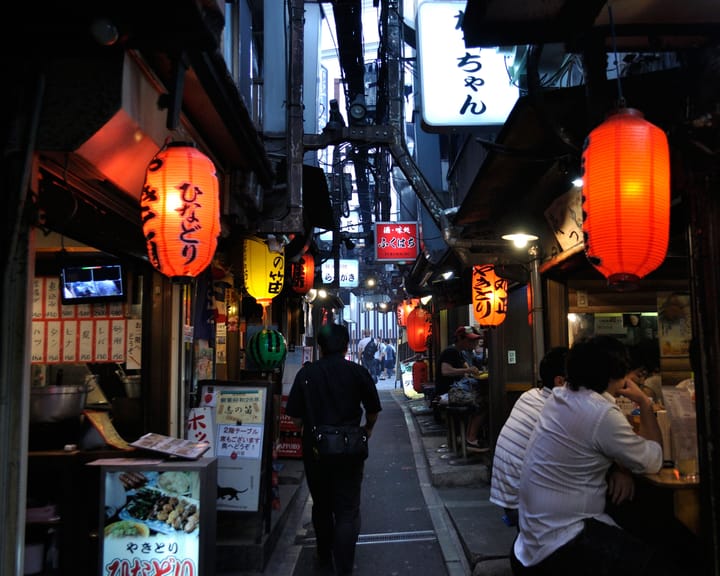
Tokyo tourist hotspot outlaws short-term rentals amid complaint surge
Shinjuku Ward, Tokyo, has moved to ban short-term rental accommodations in residential areas and near schools and important cultural sites, following a slew of complaints about visitor behaviour. The decision, to be enacted through a local ordinance, marks the latest sign that Japan’s patience with mass tourism is
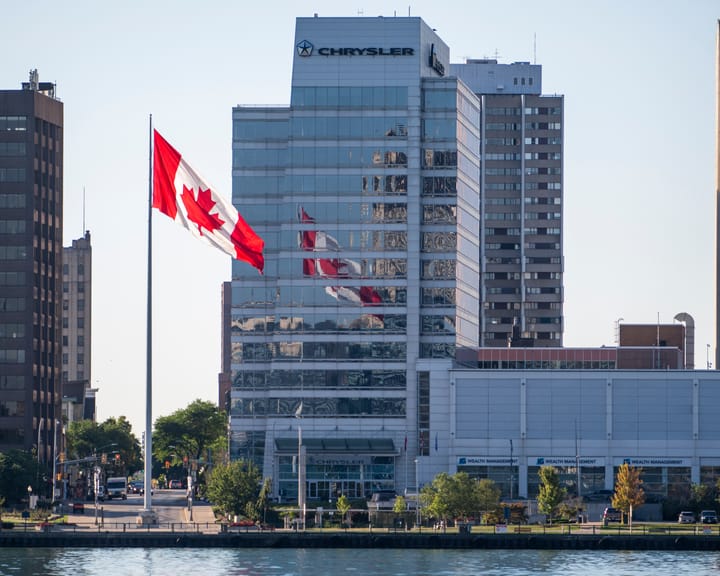
Canada implements retaliatory US tariffs as trade dispute intensifies
Canada’s retaliatory tariffs on about $20 billion worth of American imports took effect at 12.01am on Tuesday, ranging from 15% to 50% and applying to steel, dairy, appliances, agricultural equipment, pulp and paper, and electronics. The measures, a response to the United States’ 50% tariff on $20 billion
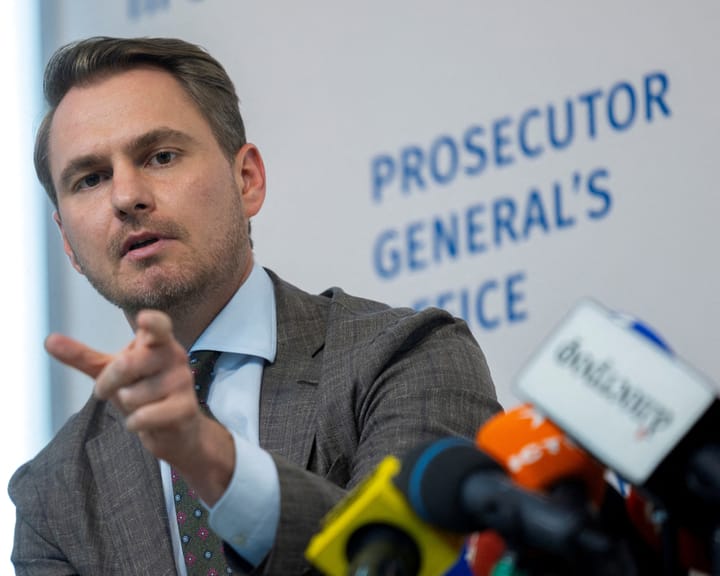
Prosecutor general resigns amid political turmoil in Kyiv during Ukraine war
Ukraine’s prosecutor general Ruslan Kravchenko resigned amid corruption accusations after anti-graft officers searched his offices at the weekend. He called the allegations “completely unsubstantiated” and denied wrongdoing. The National Anti-Corruption Bureau (NABu) and Specialised Anti-Corruption Prosecutor’s Office (Sapo) announced Saturday they uncovered a money-laundering