
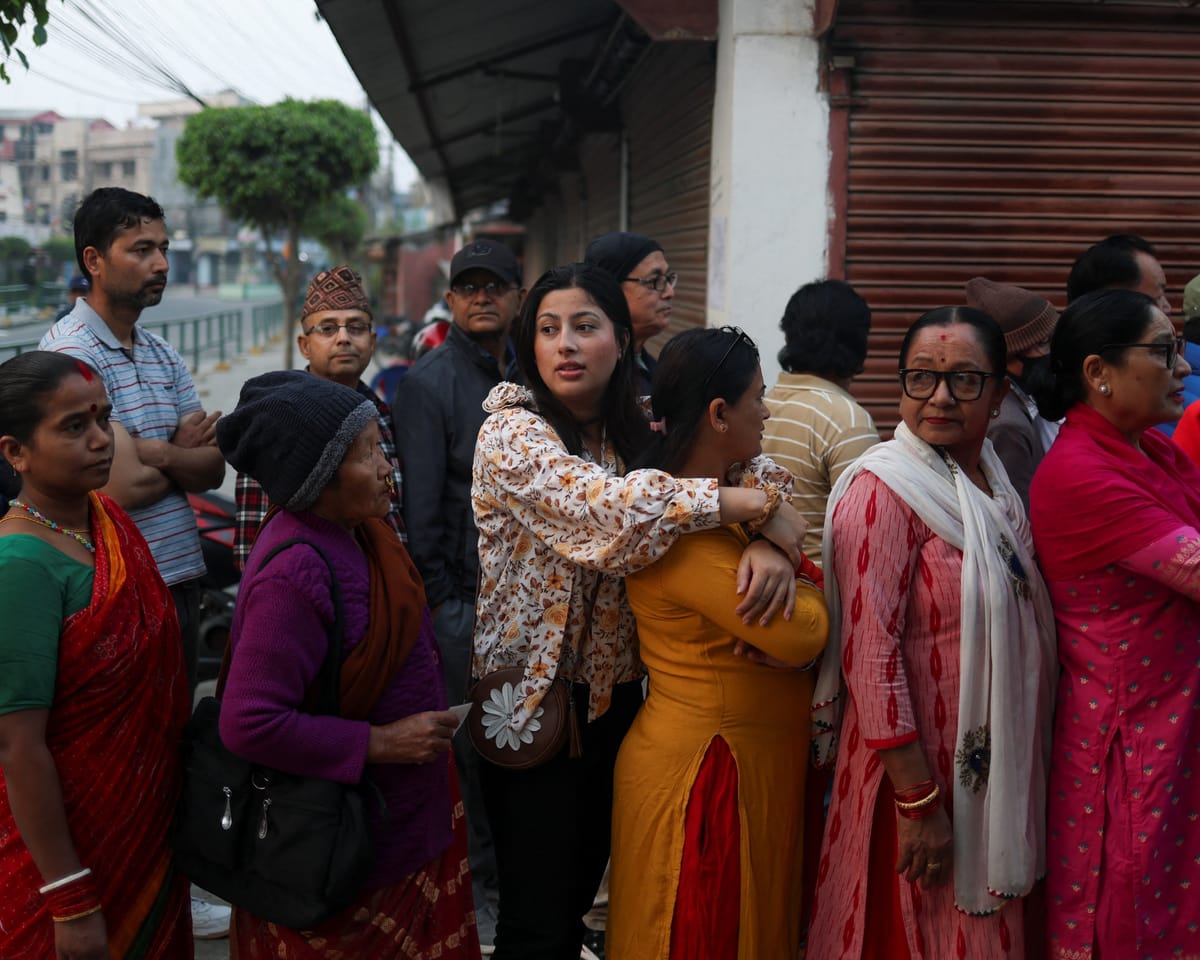
Nearly six months after a surge of unprecedented youth‑driven demonstrations forced Nepal’s former prime minister to step down, citizens have begun casting ballots in a general election that appears to be a decisive clash between the entrenched establishment and an influential young movement.
Prominent contenders in the race include the Marxist ex‑prime minister aiming to regain office, a former rapper who became mayor seeking the support of young voters, and the freshly elected head of the dominant Nepali Congress party.
Close to 19 million electors will decide who will replace the interim administration that has been in place since the September 2025 uprising, an event that left at least 77 dead and saw parliament and numerous government buildings set ablaze.
Youth‑led protests under a loosely defined Gen‑Z banner started as a reaction to a short‑lived social‑media ban, but expanded to encompass broader discontent over corruption and a struggling economy.
Interim prime minister Sushila Karki has called on the public to vote “without any fear,” while thousands of soldiers and police officers are stationed at polling stations.
The vote has brought forward a wave of younger candidates pledging to address Nepal’s dire economic situation, challenging veteran politicians who have ruled for decades and claim that their experience ensures stability and security.
“We are very hopeful,” said Sashi Gurung, 33, who will vote in Kathmandu.
“This election is not an ordinary one. It will be a turning point for Nepalis and for Nepal.”
Helicopters have delivered ballot materials to snow‑covered mountain areas across Nepal, home to eight of the world’s ten highest peaks, including Mount Everest.
Nevertheless, attention will centre on the agricultural plains south of the capital, where all three prime‑ministerial hopefuls are contesting seats—a shift from previous elections that centred on Kathmandu.
The usually quiet eastern town of Jhapa will host a direct face‑to‑face contest between two principal rivals.
KP Sharma Oli, the 74‑year‑old Marxist leader removed from the premiership last year and seeking a comeback, faces a challenge in his home constituency from former Kathmandu mayor Balendra Shah, a 35‑year‑old rapper‑turned‑politician.
The Jhapa‑5 constituency, comprising roughly 163 000 voters, will decide whether Oli retains his seat or Shah secures a place in parliament.
Shah, representing the centrist Rastriya Swatantra Party (RSP), presents himself as a symbol of youth‑led political renewal, urging voters to “ring the bell” of change, a reference to the party’s emblem.
Also vying for the premiership is Gagan Thapa, 49, the new leader of the country’s oldest party, Nepali Congress, who told AFP he intends to dismantle the “old‑age” circle of revolving senior leaders.
“So many people, including Gen Z, gave their lives,” said Shiv Shrestha, 57, who will vote in the Jhapa district.
“There must be change,” he added. “Corruption has to end, and more jobs need to be created here in Nepal.
Read next
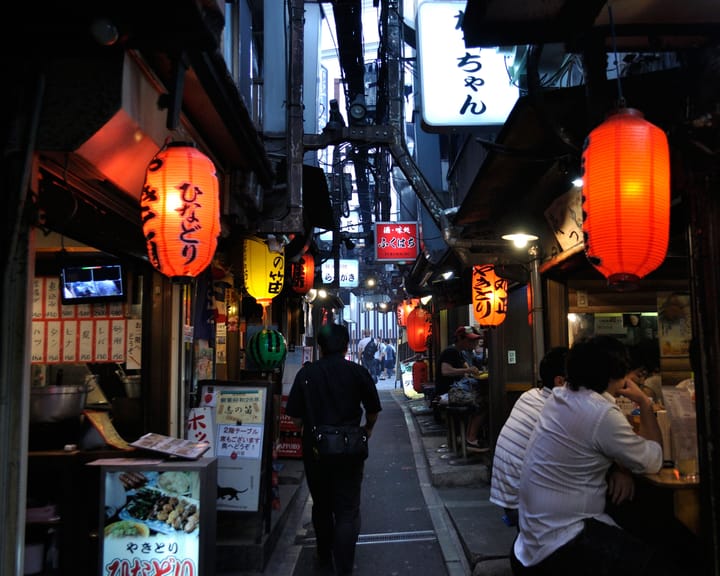
Tokyo tourist hotspot outlaws short-term rentals amid complaint surge
Shinjuku Ward, Tokyo, has moved to ban short-term rental accommodations in residential areas and near schools and important cultural sites, following a slew of complaints about visitor behaviour. The decision, to be enacted through a local ordinance, marks the latest sign that Japan’s patience with mass tourism is
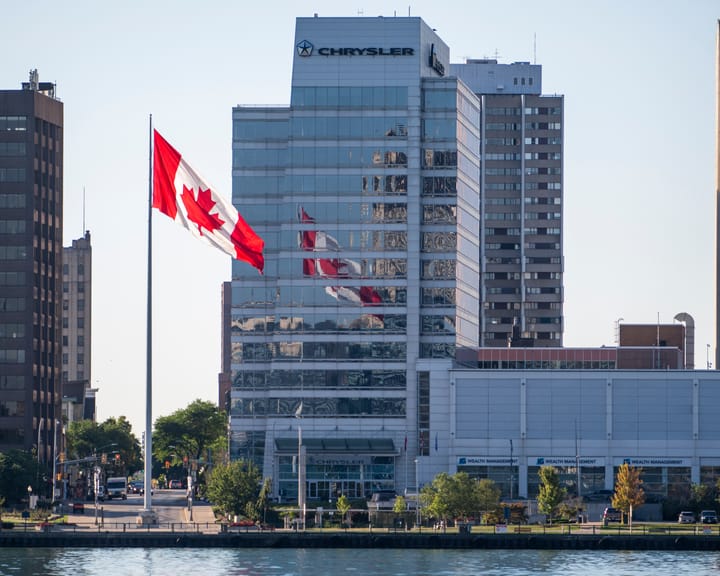
Canada implements retaliatory US tariffs as trade dispute intensifies
Canada’s retaliatory tariffs on about $20 billion worth of American imports took effect at 12.01am on Tuesday, ranging from 15% to 50% and applying to steel, dairy, appliances, agricultural equipment, pulp and paper, and electronics. The measures, a response to the United States’ 50% tariff on $20 billion
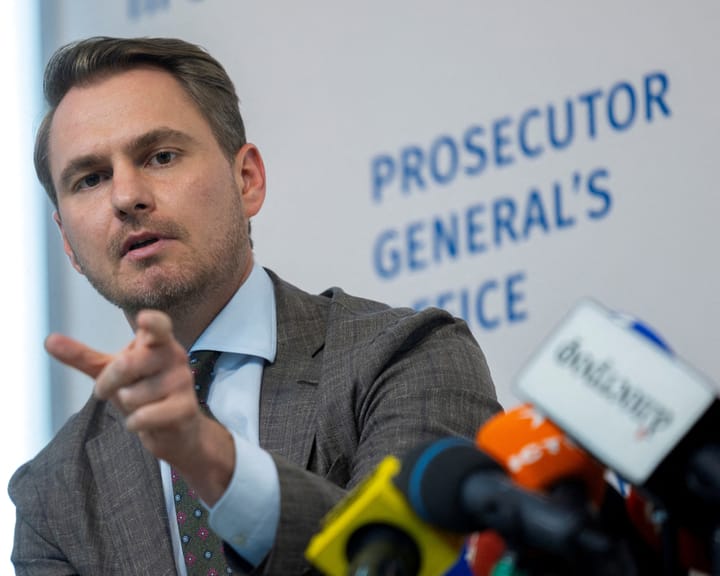
Prosecutor general resigns amid political turmoil in Kyiv during Ukraine war
Ukraine’s prosecutor general Ruslan Kravchenko resigned amid corruption accusations after anti-graft officers searched his offices at the weekend. He called the allegations “completely unsubstantiated” and denied wrongdoing. The National Anti-Corruption Bureau (NABu) and Specialised Anti-Corruption Prosecutor’s Office (Sapo) announced Saturday they uncovered a money-laundering