
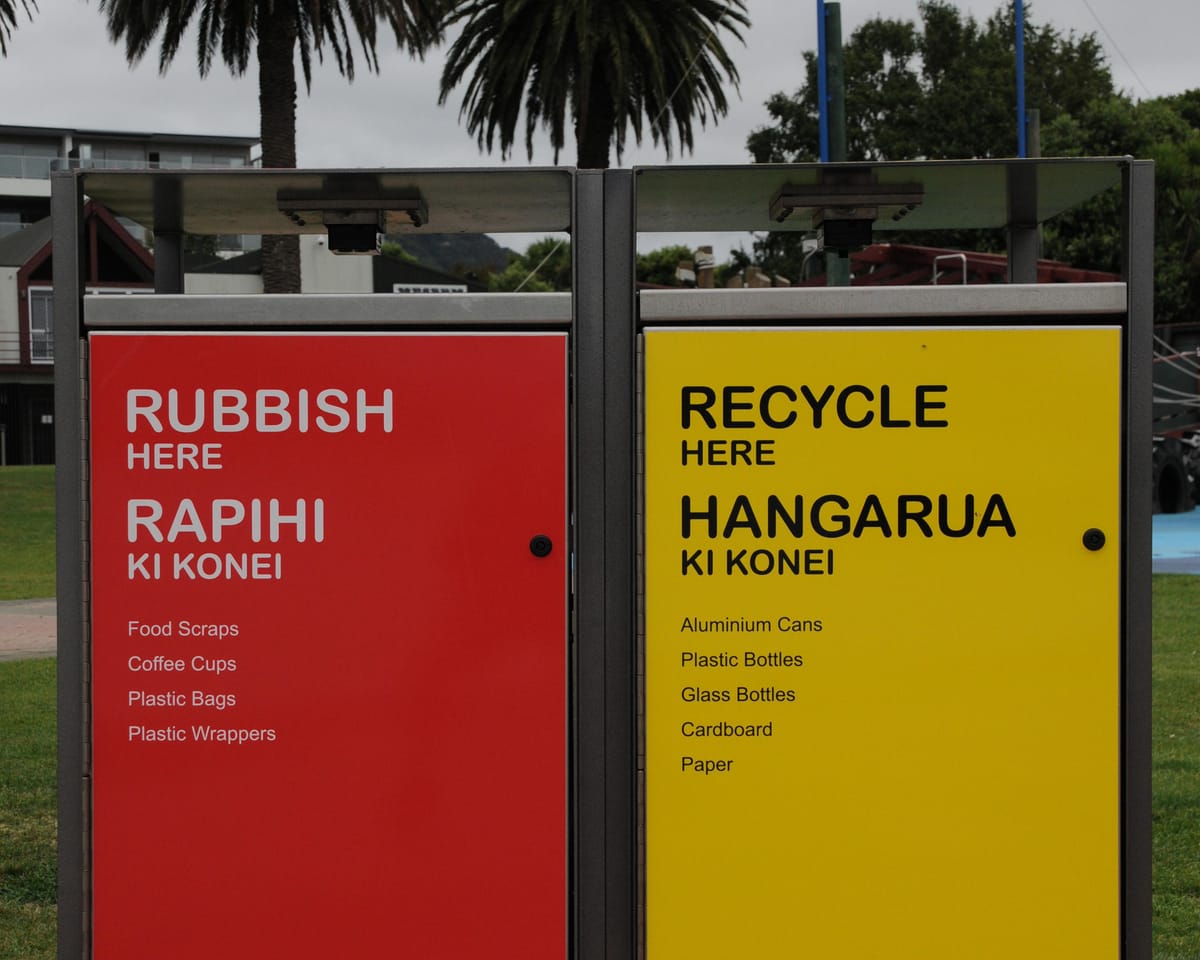
A proposal to designate English as an official language of New Zealand has passed its initial parliamentary test, despite mockery from opposition members and language experts who label it “unnecessary” and “cynical”.
The measure aims to grant English, spoken by about 95 % of the population, the same legal standing as te reo Māori and New Zealand Sign Language. It states that the existing official‑language arrangements would remain unchanged.
Its launch is tied to the coalition agreement between the minor populist New Zealand First party and the centre‑right National Party.
On 3 March, the coalition, which also includes the minor Act Party, approved the bill at its first reading, sending it to a select committee for public consultation and subsequent parliamentary readings. While the timetable is uncertain, the proposal enjoys broad backing within the government and is expected to become law.
During the debate, New Zealand First leader and foreign affairs minister Winston Peters noted that English has never formally been recognised and that the bill would “correct that anomaly”.
He claimed that the use of Māori in public services was creating confusion.
“This bill will not fully resolve the push of this virtue‑signalling narrative,” Peters said. “But it is a first step toward ensuring logic and common sense dominate when the overwhelming majority of New Zealanders speak and understand English, in a nation that should employ English as its primary and official language.”
Peters – who is of Māori descent – has long resisted policies aimed at promoting Māori and has criticised the adoption of Māori names for government bodies. In 2025, a parliamentary dispute arose after Peters questioned why MPs referred to the country by its Māori name, Aotearoa, even though the term appears on currency and passports.
The National Party has said the legislation is not a priority, yet it will back it under the coalition pact, and National and Act MPs spoke in its favour.
Act’s Simon Court argued it need not become a “culture‑war” issue, while National’s Rima Nakhle described making English official as “not the end of the world”.
Outside the coalition, the proposal has attracted little support.
In advice to the government, officials from the Ministry of Justice urged lawmakers not to pass the bill, noting there is “no evidence to support concerns about the use or status of English as an official language”.
Māori and New Zealand Sign Language were made official to safeguard linguistic minorities, the officials said, and recognising English in the same way would “not alter its status as the default language”.
Only a few English‑speaking nations have designated English as an official language, the officials added, and where they have, it usually coincided with protecting another language – for example in Canada, where law requires both French and English in official contexts.
Read next

Tokyo tourist hotspot outlaws short-term rentals amid complaint surge
Shinjuku Ward, Tokyo, has moved to ban short-term rental accommodations in residential areas and near schools and important cultural sites, following a slew of complaints about visitor behaviour. The decision, to be enacted through a local ordinance, marks the latest sign that Japan’s patience with mass tourism is
Canada implements retaliatory US tariffs as trade dispute intensifies
Canada’s retaliatory tariffs on about $20 billion worth of American imports took effect at 12.01am on Tuesday, ranging from 15% to 50% and applying to steel, dairy, appliances, agricultural equipment, pulp and paper, and electronics. The measures, a response to the United States’ 50% tariff on $20 billion
Prosecutor general resigns amid political turmoil in Kyiv during Ukraine war
Ukraine’s prosecutor general Ruslan Kravchenko resigned amid corruption accusations after anti-graft officers searched his offices at the weekend. He called the allegations “completely unsubstantiated” and denied wrongdoing. The National Anti-Corruption Bureau (NABu) and Specialised Anti-Corruption Prosecutor’s Office (Sapo) announced Saturday they uncovered a money-laundering