
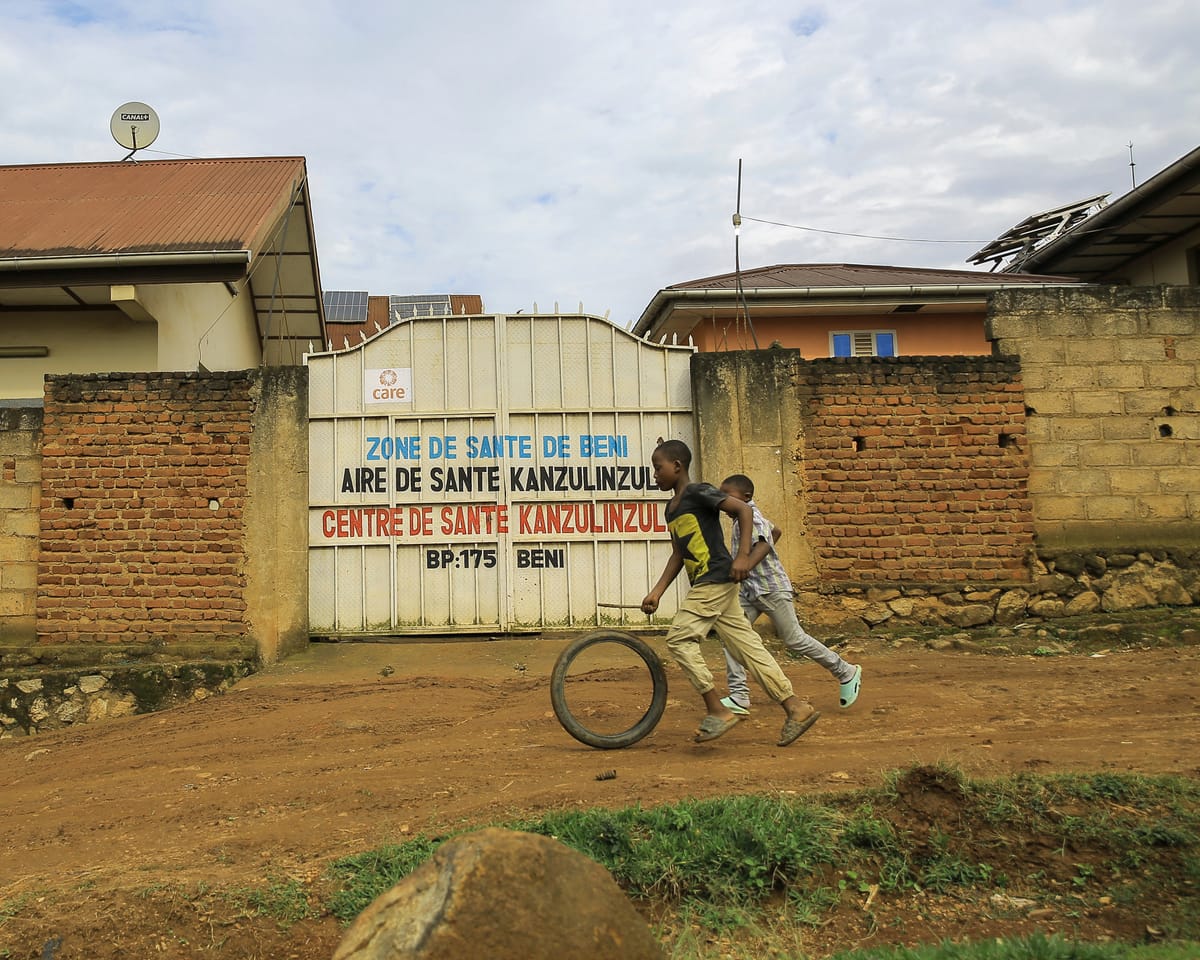
Nigeria has reported an Ebola case in its capital, Abuja, after a woman who traveled from Uganda tested positive for the virus, according to the health ministry.
The woman started showing symptoms on October 7 and was admitted to a hospital in Abuja four days later, where she was subsequently diagnosed with Ebola. Details about her arrival in Nigeria, Africa's most populous country, have not been disclosed.
Health Minister Muhammad Pate announced that authorities are tracing 44 individuals identified as contacts of the patient. “We are doing everything possible to contain this case by tracing all the contacts the individual may have had,” he stated.
Uganda’s health ministry clarified that the patient merely transited through Uganda and is a Nigerian woman who had been on a business trip to Congo’s eastern region. Nigerian authorities have not revealed her nationality.
“Travel through Uganda does not establish that infection occurred here. The location of exposure remains under investigation,” the ministry noted in a statement. They reiterated that Uganda has “no confirmed active Ebola cases.”
Nigeria is the latest country to report an Ebola case as the outbreak spreads across the region. Kenya confirmed its first case earlier this month and has since recorded nine infections. Uganda had previously reported Ebola cases but later declared itself Ebola-free.
Dr. Jean Kaseya, the director general of the Africa Centers for Disease Control, commented on X that “we are facing an extremely serious threat,” with a fatality rate of nearly 50% for cases.
“This Bundibugyo Ebola outbreak has already become the most geographically extensive in history, affecting several countries across three regions of Africa,” he said.
Two weeks ago, the Nigeria Centre for Disease Control announced it was enhancing surveillance following Ebola detection in Kenya and bolstering preparedness for a potential outbreak.
“The efforts have focused on early detection, isolation and referral, laboratory diagnosis, infection prevention and control, contact tracing, risk communication, and protection of health care workers,” the agency explained.
Nigeria established an Ebola task force in June after an outbreak in Congo in mid-May.
The spread of Ebola beyond Congo has increased concerns among health authorities regarding the rapid transmission of the rare Bundibugyo virus, which has infected over 9,500 people and resulted in more than 4,600 deaths.
The current Ebola outbreak is the fastest-spreading on record and is expected to surpass the deadliest outbreak, which killed 11,000 people in West Africa between 2014 and 2016, according to WHO.
Read next

What Lies Ahead for France Post-Riots? Europe Columnists Weigh In
After weeks of protests and a weekend of riots resulting in a town hall set ablaze, over 2,000 shops looted, 2,300 arrests, and 1,000 police officers injured, the repercussions for France—both societal and economic—continue to unfold. Allegations of police brutality have emerged, causing distress among
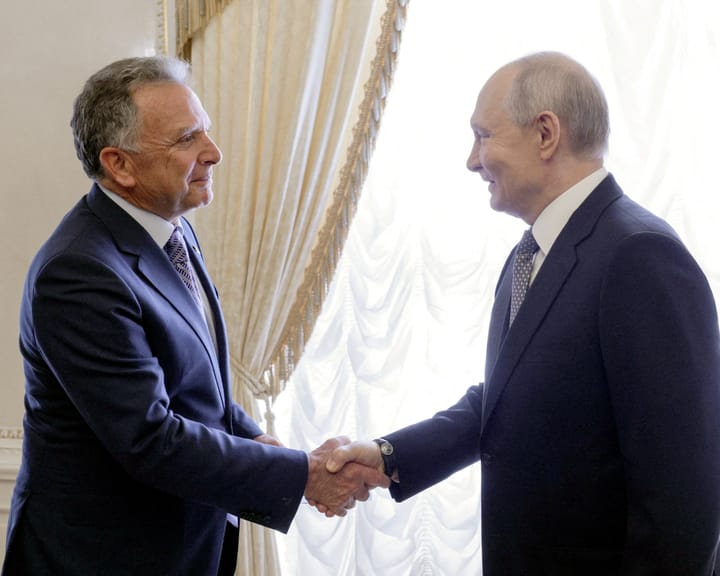
Putin Commands Release of Detained American Amid Ukraine Talks with Trump Envoy
Vladimir Putin ordered the release of an American from a Russian jail during discussions with Donald Trump's envoy, Steve Witkoff, in St. Petersburg on Wednesday. The meeting focused on efforts to end the conflict in Ukraine, highlighting the strengthening ties between Moscow and Washington.
Trump had requested Putin

In the dark, YouTubers oversee a stranded shark in a South Korean canal.
In South Korea, a group known as jagyeongdan, reminiscent of a neighborhood watch, has taken it upon themselves to protect a stranded shark named Bukang-i in Busan's harbor. Since becoming trapped in a city canal on September 18, Bukang-i, a 3-meter-long endangered dusky shark,