

After weeks of protests and a weekend of riots resulting in a town hall set ablaze, over 2,000 shops looted, 2,300 arrests, and 1,000 police officers injured, the repercussions for France—both societal and economic—continue to unfold. Allegations of police brutality have emerged, causing distress among investors, which led to a debt sell-off and increased borrowing costs, surpassing those of Greece. These developments occur just six months before a highly contested presidential election.
France's financial challenges have been highlighted by Europe correspondent Jon Henley, noting that the national debt stands at 119% of GDP, the highest since 1946, with a budget deficit at 5.1%, among the EU's highest. Henley points out the financial strain facing the government, stating there is no room in the budget to alleviate the cost of living pressures that incited 550,000 people to protest on Saturday.
Columnist Paul Taylor suggests that the recent violence might trigger a law-and-order backlash among voters, potentially benefiting Marine Le Pen's presidential bid. However, if the economic situation deteriorates and the election campaign focuses on who can rescue the economy, Le Pen might lose ground to a candidate with a firm stance on security and traditional fiscal policies.
An editorial notes the increasing tension in France as it approaches a critical election in May, with the recent civil unrest possibly being just a precursor to more significant challenges ahead.
The article seeks opinions on the riots, their causes, and their aftermath, questioning whether they might pave the way for Le Pen to the presidency. It also considers whether President Emmanuel Macron, in his final months in office, can effectively address France's current situation.
Read next
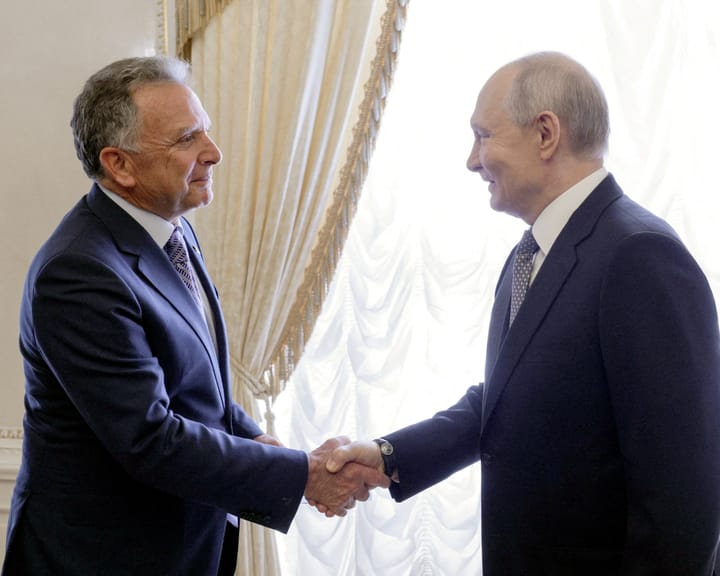
Putin Commands Release of Detained American Amid Ukraine Talks with Trump Envoy
Vladimir Putin ordered the release of an American from a Russian jail during discussions with Donald Trump's envoy, Steve Witkoff, in St. Petersburg on Wednesday. The meeting focused on efforts to end the conflict in Ukraine, highlighting the strengthening ties between Moscow and Washington.
Trump had requested Putin
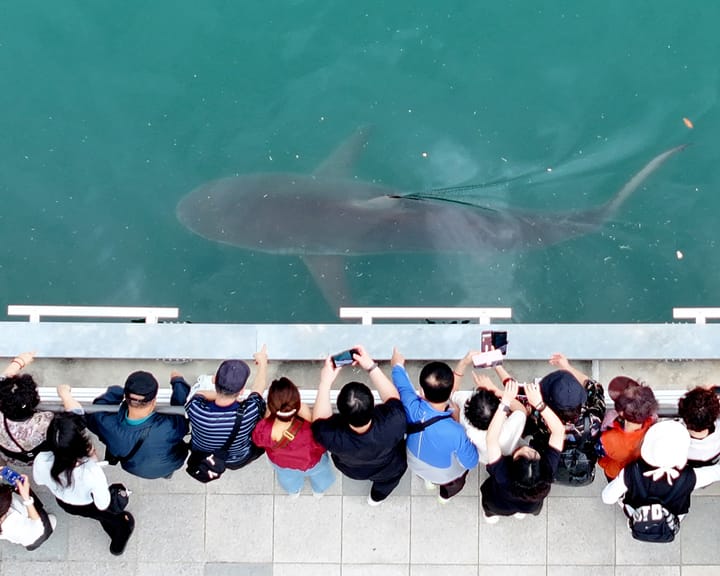
In the dark, YouTubers oversee a stranded shark in a South Korean canal.
In South Korea, a group known as jagyeongdan, reminiscent of a neighborhood watch, has taken it upon themselves to protect a stranded shark named Bukang-i in Busan's harbor. Since becoming trapped in a city canal on September 18, Bukang-i, a 3-meter-long endangered dusky shark,
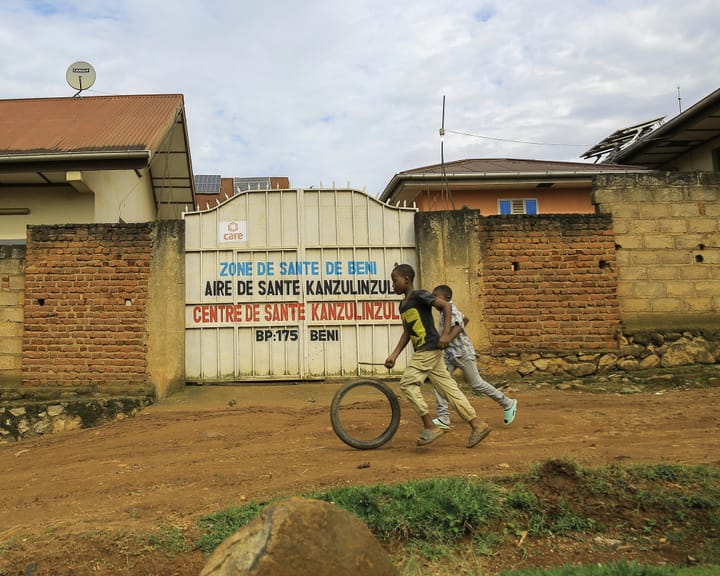
Nigeria Confirms Ebola Case as Outbreak Expands into Western Africa
Nigeria has reported an Ebola case in its capital, Abuja, after a woman who traveled from Uganda tested positive for the virus, according to the health ministry.
The woman started showing symptoms on October 7 and was admitted to a hospital in Abuja four days later, where she was subsequently