
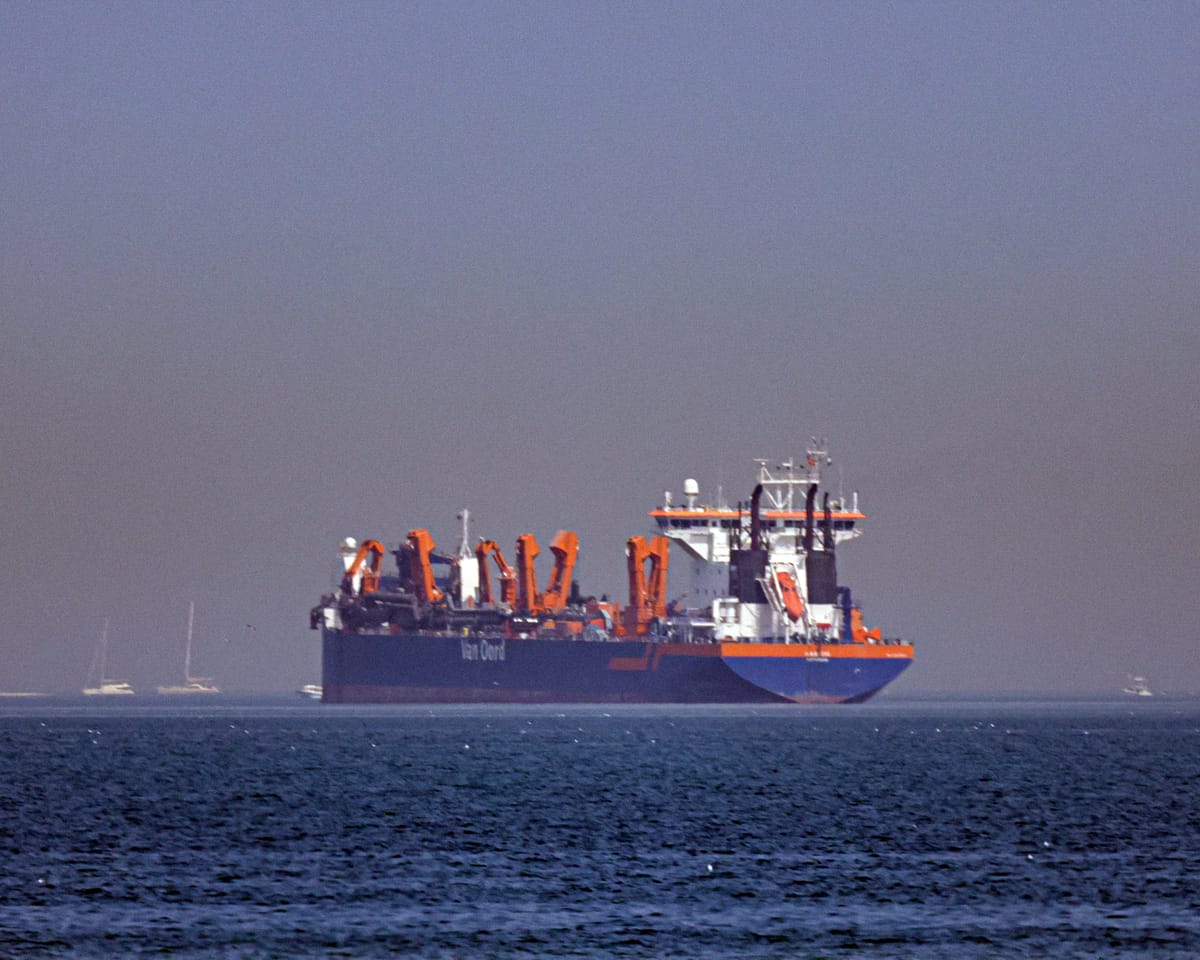
Oil prices surged and equity markets slipped on Monday following heavy US‑Israeli attacks on Iran, sparking concerns of major worldwide economic turmoil.
Brent crude rose up to 13 % in early trade, reaching $82 a barrel – a 14‑month peak – as the near‑shutdown of the Strait of Hormuz, a key conduit for international commerce, heightened worries about oil availability.
In Tokyo, the Nikkei 225 slipped almost 2.4 % as Asian investors reacted to the weekend’s events. Pre‑market activity also set Wall Street on a path to open lower on Monday. In Sydney, the ASX 200 began sharply down, later easing to a roughly 0.4 % decline. Gold, traditionally viewed as a safe‑haven, climbed 2.8 % to $5,397.10 an ounce.
US and Israeli military actions against Iran showed no sign of abating, with Donald Trump warning the clash could extend another four weeks and stating that assaults would persist until American goals are achieved.
Although oil retreated modestly from its peak, Brent stayed at least 7 % higher in early trade.
As prices climbed, attention focused on the Strait of Hormuz, through which roughly one‑fifth of oil shipments and gas tankers transit.
Hours after Saturday’s US‑Israeli attacks, Tehran allegedly cautioned vessels in the strait that no ship would be permitted to pass.
According to the United Kingdom Maritime Trade Operations (UKMTO), a British maritime‑security body, two vessels were struck in the strait—one near Oman and another near the UAE.
Although Iran has not formally declared the strategic passage blocked, vessel‑tracking platforms displayed tankers gathering on both sides of the strait, hesitant to sail due to threat of attack or lack of insurance.
The shipping firm Maersk said on Sunday it would suspend transits through the Strait of Hormuz and the Suez Canal, another crucial global route, citing safety concerns.
The OPEC+ group of producers approved a modest increase of 206,000 barrels per day for April on Sunday, yet much of that output must still leave the Middle East by tanker.
Iran, contributing about 4.5 % of world supply and ranking among the cartel’s biggest producers, means any interruption to its shipments could affect the broader market.
“The most immediate and concrete factor shaping oil markets is the practical shutdown of traffic through the Strait of Hormuz, stopping roughly 15 million barrels per day of crude from reaching markets,” said Jorge León, head of geopolitical analysis at Rystad Energy.
“If de‑escalation cues do not appear quickly, we anticipate a notable upward re‑pricing of oil,” he added.
Read next
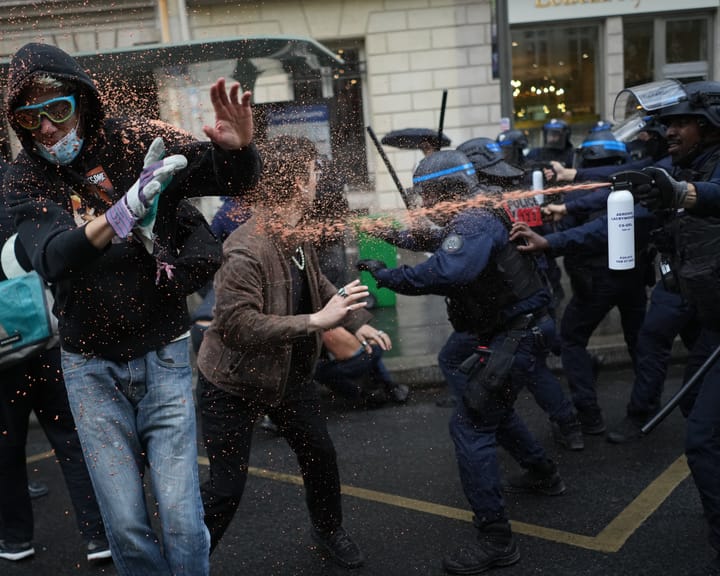
French Minister Refutes Police Brutality Claims Amid Ongoing Student Protests Across France – Europe Live
In recent developments, French Interior Minister Laurent Nuñez has refuted claims of excessive police force during the ongoing student protests in France. He emphasized that police action is only taken in response to violence or property damage. Addressing lawmakers, Nuñez described the protests as "unprecedented" due to the
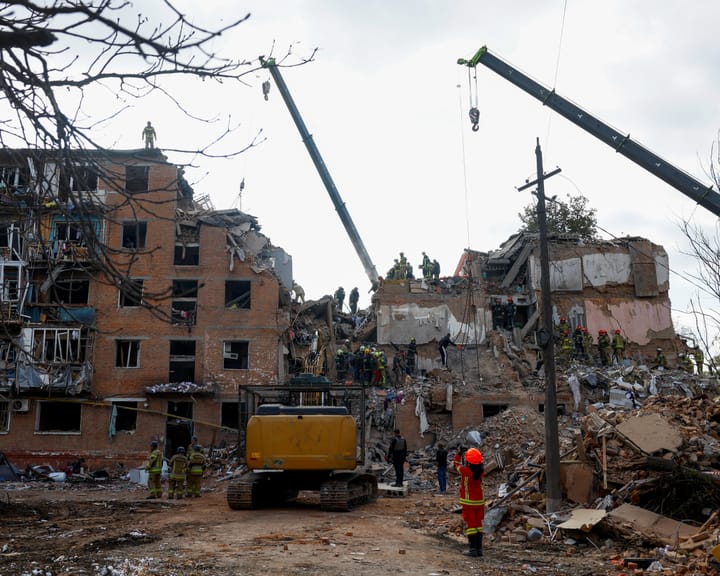
Ukraine Reports Russia Bombed Apartment Building Coinciding with Putin's Birthday
Volodymyr Zelenskyy has accused Russia's military of deliberately targeting civilians and bombing residential buildings as a grim gift for Vladimir Putin, who celebrates his 74th birthday on Wednesday.
Ukraine’s president described Russia’s overnight drone and missile strikes, which killed at least 24 people, as “despicable.” “The

Fears of 'another coup d'état' grow as Flávio Bolsonaro vows to 're-democratise' Brazil
Flávio Bolsonaro, the leading candidate for Brazil's presidency, has promised to "re-democratise" the nation, raising concerns about potential authoritarian governance should he win. Brazil transitioned to democracy in the 1980s after a harsh 21-year dictatorship, a period lauded by Flávio's father, former