
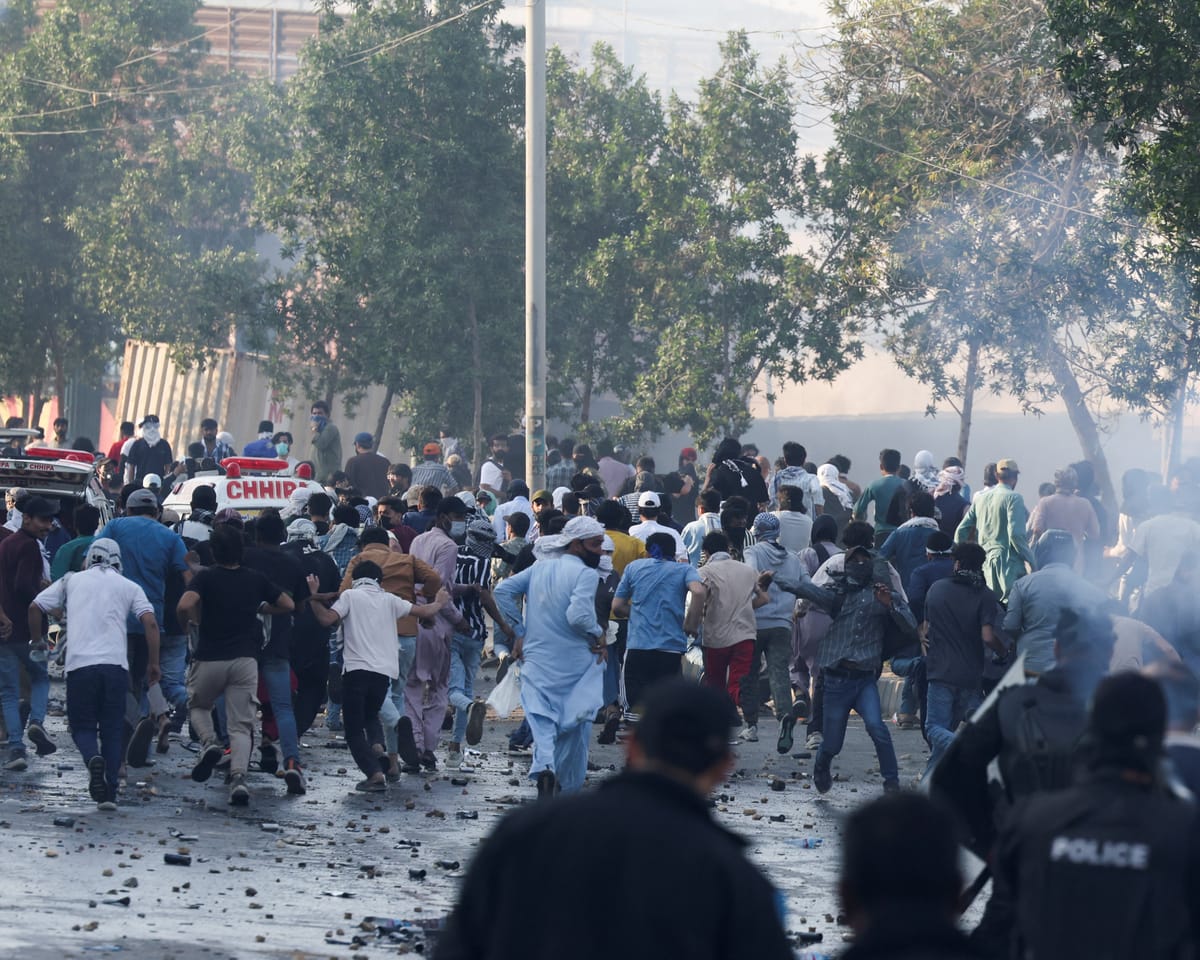
At least 22 people have died after pro‑Iran rallies in Pakistan, where hundreds marched toward the U.S. consulate in Karachi. In Iraq, security personnel also deployed tear‑gas against demonstrators who attempted to breach the U.S. embassy in Baghdad.
The unrest intensified after U.S.–Israeli strikes killed Iran’s supreme leader, Ayatollah Ali Khamenei, prompting a crowd in Karachi to chant against the attack before entering the consulate’s reception area and igniting a small fire.
A video circulating online captured a man shouting, “The leader’s death has been avenged.”
Local medical authorities said ten people were killed when security forces opened fire, with more than 30 others wounded.
Separate clashes in other parts of Pakistan left ten dead in Gilgit‑Baltistan and two fatalities in the capital, Islamabad.
In Iraq, police used tear‑gas after hundreds of pro‑Iran protesters waving flags and hurling stones tried to storm Baghdad’s Green Zone, where the U.S. embassy is located. Recent U.S.–Israeli operations have targeted Iran‑backed militias in the country, resulting in casualties.
Khamenei’s killing has reverberated across the Middle East and the broader Islamic world. The 86‑year‑old Shia cleric led Iran for 36 years and directed a security strategy that fostered a network of Iranian‑aligned militias throughout the region.
Iran‑aligned groups—including Hamas, the Houthis, Iraqi militias and Hezbollah—issued statements expressing condolences and solidarity, describing Khamenei as a mujahid and a martyr.
“[Khamenei] headed the march of jihad and resistance against the tyrannical and oppressive American and Israeli forces, enemies of religion and humanity,” Hezbollah secretary‑general Naim Qassem said in a release.
Under his rule, Iran trained, equipped and financed organizations such as Hezbollah to form what Tehran called an “axis of resistance” in the Middle East. These groups have long pursued Tehran’s regional objectives and served as a bulwark against U.S. and Israeli influence.
In Lebanon, tens of thousands of Hezbollah supporters and Shia Muslims gathered in the southern suburbs of Beirut on Sunday to mourn Khamenei, brandishing Hezbollah and Iranian flags and holding photographs of the deceased leader.
In Sanaa, Yemen, pro‑Houthi outlets boasted of a “million‑person march” in tribute to Iran and to commemorate Khamenei.
His death represents a significant setback for an axis of resistance already strained by Israeli actions over the past two and a half years. It also adds another symbolic wound for many Shia Muslims, coming less than 18 months after the killing of Hassan Nasrallah, Hezbollah’s former head, who was killed in an Israeli airstrike in 2024.
Both Khamenei and Nasrallah were regarded as prominent figures of opposition to Western pressure.
Read next
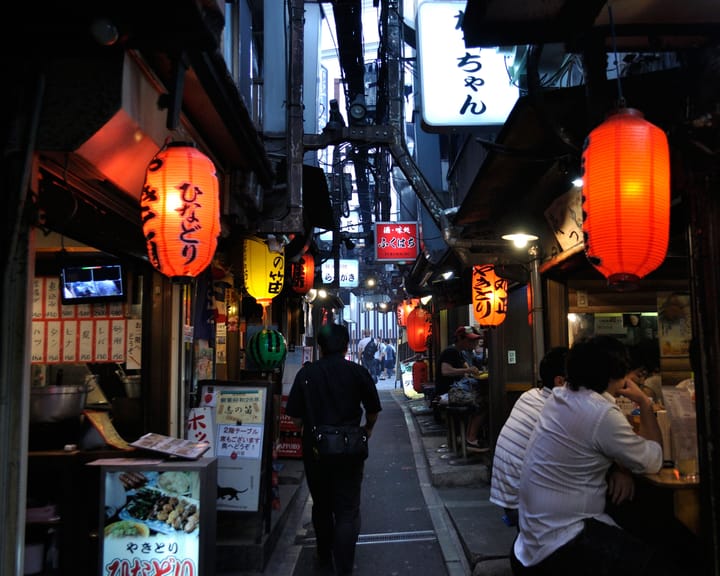
Tokyo tourist hotspot outlaws short-term rentals amid complaint surge
Shinjuku Ward, Tokyo, has moved to ban short-term rental accommodations in residential areas and near schools and important cultural sites, following a slew of complaints about visitor behaviour. The decision, to be enacted through a local ordinance, marks the latest sign that Japan’s patience with mass tourism is
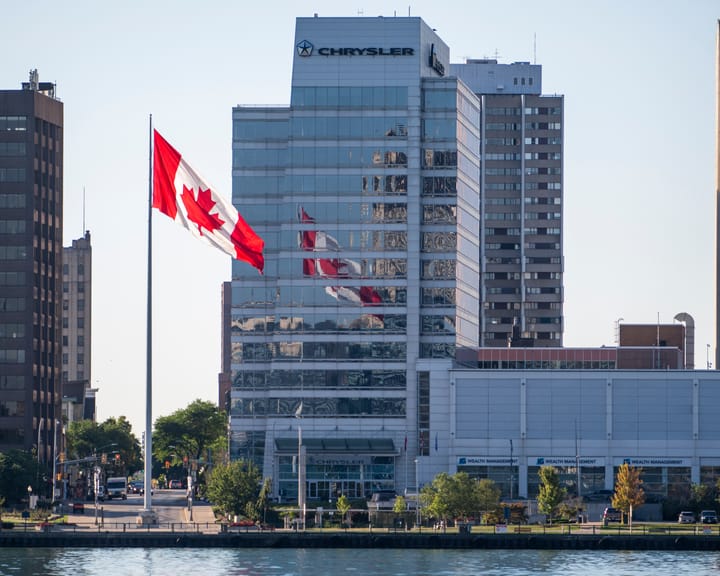
Canada implements retaliatory US tariffs as trade dispute intensifies
Canada’s retaliatory tariffs on about $20 billion worth of American imports took effect at 12.01am on Tuesday, ranging from 15% to 50% and applying to steel, dairy, appliances, agricultural equipment, pulp and paper, and electronics. The measures, a response to the United States’ 50% tariff on $20 billion
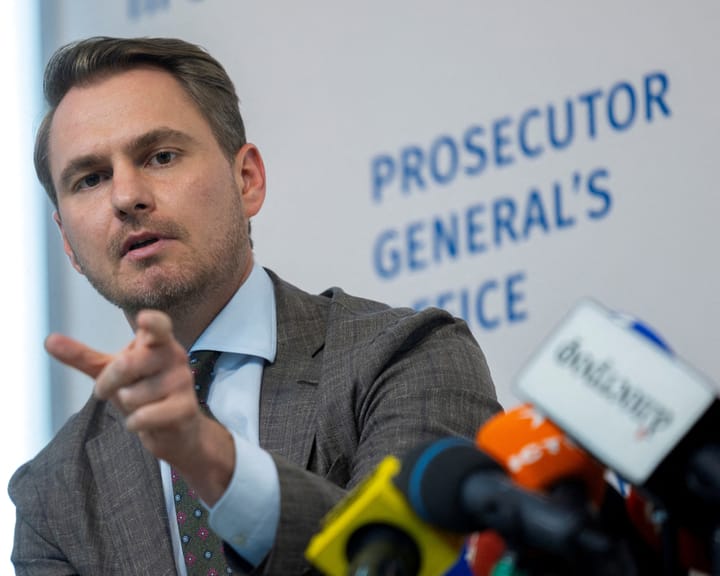
Prosecutor general resigns amid political turmoil in Kyiv during Ukraine war
Ukraine’s prosecutor general Ruslan Kravchenko resigned amid corruption accusations after anti-graft officers searched his offices at the weekend. He called the allegations “completely unsubstantiated” and denied wrongdoing. The National Anti-Corruption Bureau (NABu) and Specialised Anti-Corruption Prosecutor’s Office (Sapo) announced Saturday they uncovered a money-laundering