

German Broadcaster Reviews Procedures After Protest Disrupts Far-Right Leader’s Interview
A German public broadcaster is reassessing its protocols after a live interview with the leader of the far-right Alternative für Deutschland (AfD) was disrupted by demonstrators.
During the televised conversation with ARD on Sunday, Alice Weidel, co-leader of the AfD, had difficulty hearing questions at times as protesters gathered near the temporary outdoor location in Berlin.
Amid whistles and shouts, demonstrators played an anti-AfD song through loudspeakers. Among the protesters were activist groups, including one identified as Grandmothers Against the Right and an anti-fascist artists' collective.
Parts of the interview were difficult to follow for viewers due to the noise.
The AfD, a party critical of immigration, argued that the interview should be repeated to allow Weidel to respond to questions properly. The discussion was part of a series featuring politicians from various parties.
On Monday, ARD stated that it would evaluate what happened but did not confirm whether the interview would be redone. "Ensuring a smooth conversation is important to us and especially to our audience. We will review what occurred and take steps to prevent similar issues," a spokesperson said.
The broadcaster noted that it had not been informed of the protest in advance and that no official notice had been given to police. Berlin authorities added that no arrests were made but that they were assessing whether to take action against the demonstrators.
The journalist conducting the interview, Markus Preiß, remarked afterward, "Alice Weidel handled the situation fairly well, given the noise." He also said, "Demonstrations are permitted in a democracy, but they're usually announced beforehand. This one wasn’t."
Weidel attempted to downplay the situation, referring to the protesters as a "tax-funded group" and stating she was accustomed to opposition. However, she seemed increasingly irritated as the interview progressed.
On social media, she shared a link to the broadcast from ARD’s main news program, commenting, "This is what happens when a public broadcaster conducts a summer interview with the AfD in Berlin—while demonstrators make their voices heard in the background."
Preiß mentioned that he and Weidel briefly discussed whether to continue and decided to proceed.
ARD faced criticism for not relocating the interview to a controlled studio setting. Supporters of the AfD claimed the broadcaster failed to provide equal conditions for all politicians involved in the series.
Some critics of the AfD argued that the protests inadvertently drew more attention to the party, which holds the most seats in opposition in the German parliament.
Read next
Same-Sex Couple Challenges Slovakia Over Marriage Registration Refusal
In Slovakia, a same-sex couple is challenging the authorities for their refusal to recognize their Austrian marriage, testing whether an EU court ruling can ensure legal recognition at home. Ivan Novotný, 31, and Metod Špaček, 51, married in Austria in 2020, yet their marital status remains unrecognized in Slovakia,
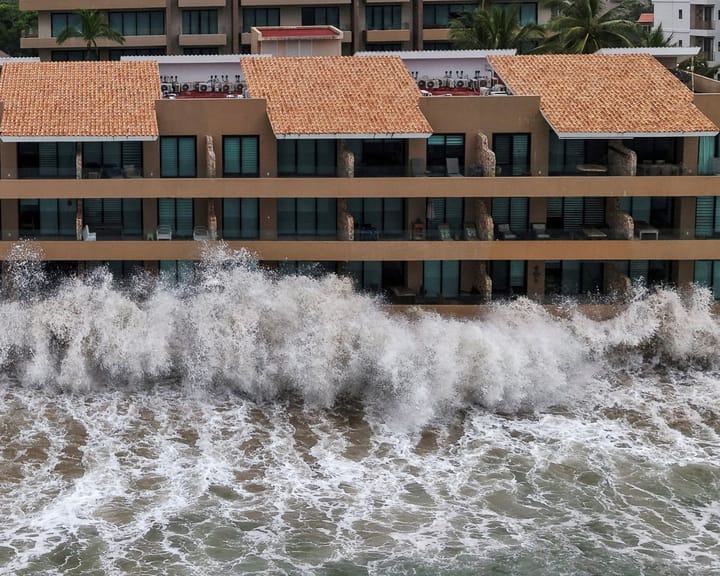
Five Fatalities Reported on Mexico’s Pacific Coast as Hurricane Simon and Tropical Storm Rachel Strike
At least five fatalities have occurred following the impact of Hurricane Simon and Tropical Storm Rachel on Mexico's Pacific coast, resulting in widespread flooding that toppled trees and power lines, obstructed roads, and flooded homes.
Governor Evelyn Salgado reported that a 71-year-old man died in Chilpancingo,
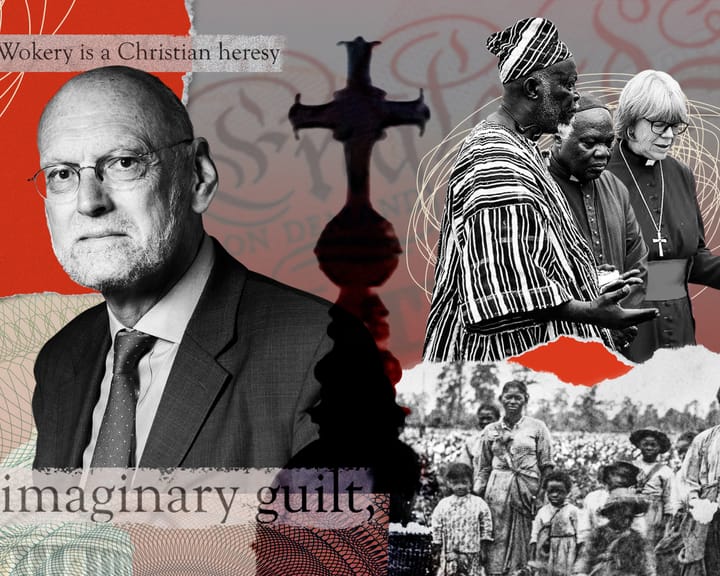
Intense Lobbying, Legal Challenges, and Media Campaign: Efforts to Defund Church of England's £100m Slavery Compensation Fund
The debate surrounding the Church of England's plan to allocate £100 million for reparations related to its historical involvement in the slave trade has sparked significant controversy. Lord Nigel Biggar, a prominent critic, describes the initiative as "virtue signaling" by elites attempting to appear progressive. He