
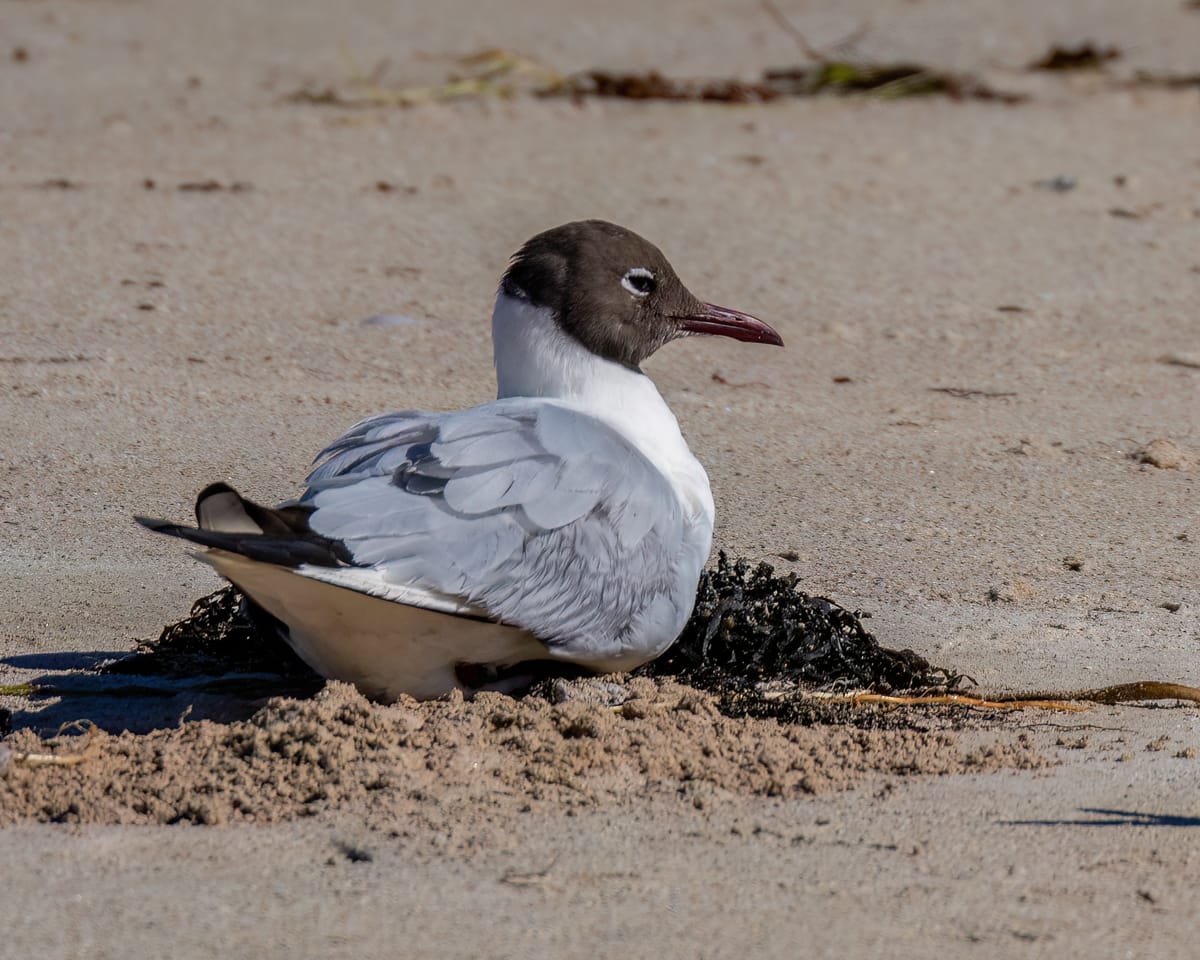
A rare seabird has created excitement among birdwatchers after appearing on the coast of Western Australia, thousands of kilometers away from its typical migration route.
The black-headed gull, a species that generally migrates between Asia and Europe, was spotted in Geraldton. The sighting was first shared on a local Facebook group following a severe storm that hit the southwest region of the state.
The arrival has attracted "twitchers"—dedicated birdwatchers who travel long distances to see rare species—including one individual who flew from the east coast. Steve Pidgeon, a Geraldton resident and member of Birdlife Midwest-Geraldton, noted that the bird is far from its usual habitat and that there have been no reported sightings since 1991.
While severe weather often pushes birds off course, experts highlight the unusual distance of this journey. The closest regular populations of the black-headed gull are located in Japan, India, and the Philippines. Tegan Douglas of Birdlife Australia explained that the storm front primarily moved from the southwest, making this observation an extreme southern occurrence. She noted that the previous southernmost record in Australia was in Broome, approximately 1,500km northeast of Geraldton, recorded 35 years ago. Douglas suggests the bird likely overshot its path or was caught in the weather system.
Such rare sightings trigger intense reactions among the birdwatching community. Douglas describes twitching as the "extreme end" of the hobby, where competitive enthusiasts may book flights, spend significant money, or miss work to add a new species to their annual or national lists.
The news prompted Douglas to travel nearly 400km from Perth to Geraldton, a four-hour drive she shared with a friend. She highlighted the collaborative nature of the Western Australian birdwatching community, noting that they use WhatsApp groups to track the bird's movements in real-time rather than withholding information. Douglas mentioned that local birdwatchers even offered lifts to the visitor from the east coast to help reduce their travel costs, demonstrating the supportive nature of the community.
Read next
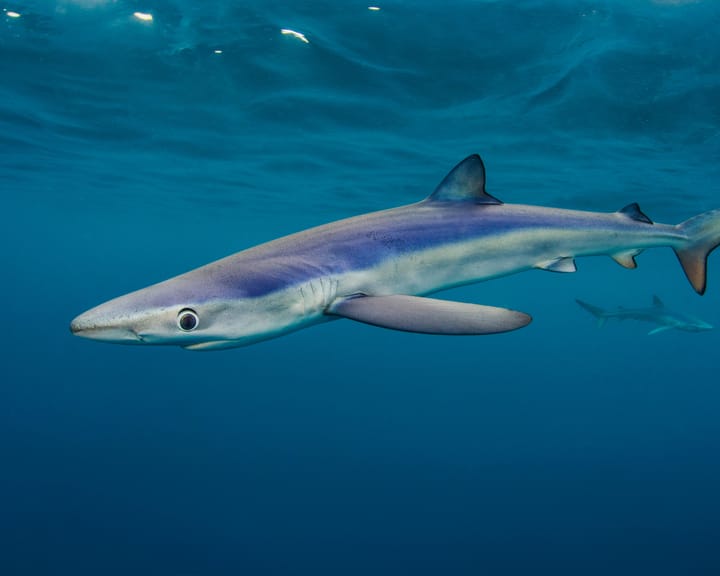
Three-year project lifts lid on Britain’s little-understood shark species
Shark Scientists Turn to Anglers for Answers on Vulnerable Species
Dr Lucy Hawkes, associate professor at the University of Exeter, is co-leading a new three-year project to study some of England’s most vulnerable shark species. “I like the porbeagle, which looks like a baby great white shark,

Why U.S. Cities Prioritizing Cars Lag Behind Global Peers in Public Transit
The only train station in Houston, the US’s fourth‑largest city and one of the fastest‑growing conurbations in the country, is a diminished, morose sight. Intercity trains arrive at this squat, shed‑like Amtrak building, which cringes in the shadows of roaring highways, just three times a week.

Vienna’s Public Transit Leads Globally – Yet Cars Still Dominate
When Leonore Gewessler rides Vienna’s punctual underground trains and street‑level trams, she values the convenience, low cost and the time she “receives as a gift” rather than wasting it in traffic jams. Yet Austria’s former climate and transport minister recognises that cars still dominate the city’s