

A study from the London School of Economics has found that scientists who are optimistic about technology solving climate issues are less likely to engage in civic actions compared to those who are skeptical of technological solutions. According to the study, these techno-optimists are 23% less likely to participate in protests or sign petitions and 18% less likely to make significant lifestyle changes, such as reducing air travel or adopting a vegan or vegetarian diet.
Fabian Dablander, the lead author, suggests that the belief in technology's ability to address climate change, termed "techno-optimism," may lead to overreliance on unproven solutions, potentially neglecting the broader societal and economic changes required to tackle the climate crisis. Dablander notes that technological solutions are politically appealing because they promise to resolve climate issues without altering lifestyle and consumption habits.
The study, involving over 9,000 scientists from 115 countries, revealed that 27% of participants agreed that technology would largely address climate change, while 44% disagreed, and 29% were neutral. Techno-optimist scientists reported lower engagement in civic activities, fewer petitions signed, and less advocacy. They were also less inclined to cut back on flights, reduce car usage, or follow a plant-based diet.
The research, published in Environmental Research Letters, highlighted that techno-optimism was more common among scientists with right-leaning political views and those in applied and natural sciences.
Prof. Kevin Anderson, a renowned climate scientist from the University of Manchester, who was not involved in the study, commented that some climate academics with high incomes and prestigious statuses might choose to overlook their personal responsibilities. This mindset allows them to believe they care about future generations while continuing lifestyles that contribute to the problem. Anderson also pointed out that faith in future technological solutions often delays necessary current actions, with the scientific evidence for these solutions frequently lacking the rigor applied to other research.
In summary, the study suggests that while technology may play a role in addressing climate change, relying solely on it without broader societal changes may hinder effective climate action.
Read next
Will nations fulfill a pact to safeguard global flora and fauna?
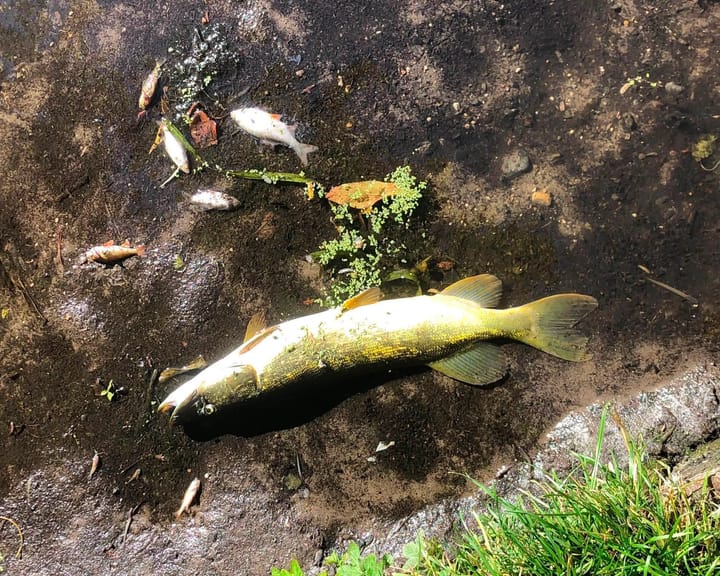
In August, passersby noticed the pungent odor of decaying fish along the River Wensum in Norwich, where over 3,000 pike, roach, carp, and rudd were found dead. Some fish gasped for air, struggling for oxygen that had been depleted due to heatwave conditions. Investigators attribute the die-off to

Three-year project lifts lid on Britain’s little-understood shark species
Shark Scientists Turn to Anglers for Answers on Vulnerable Species
Dr Lucy Hawkes, associate professor at the University of Exeter, is co-leading a new three-year project to study some of England’s most vulnerable shark species. “I like the porbeagle, which looks like a baby great white shark,

Rare gull drifts thousands of kilometres to Australia, making birdwatching an 'extreme sport'
A rare seabird has created excitement among birdwatchers after appearing on the coast of Western Australia, thousands of kilometers away from its typical migration route.
The black-headed gull, a species that generally migrates between Asia and Europe, was spotted in Geraldton. The sighting was first shared on a local