
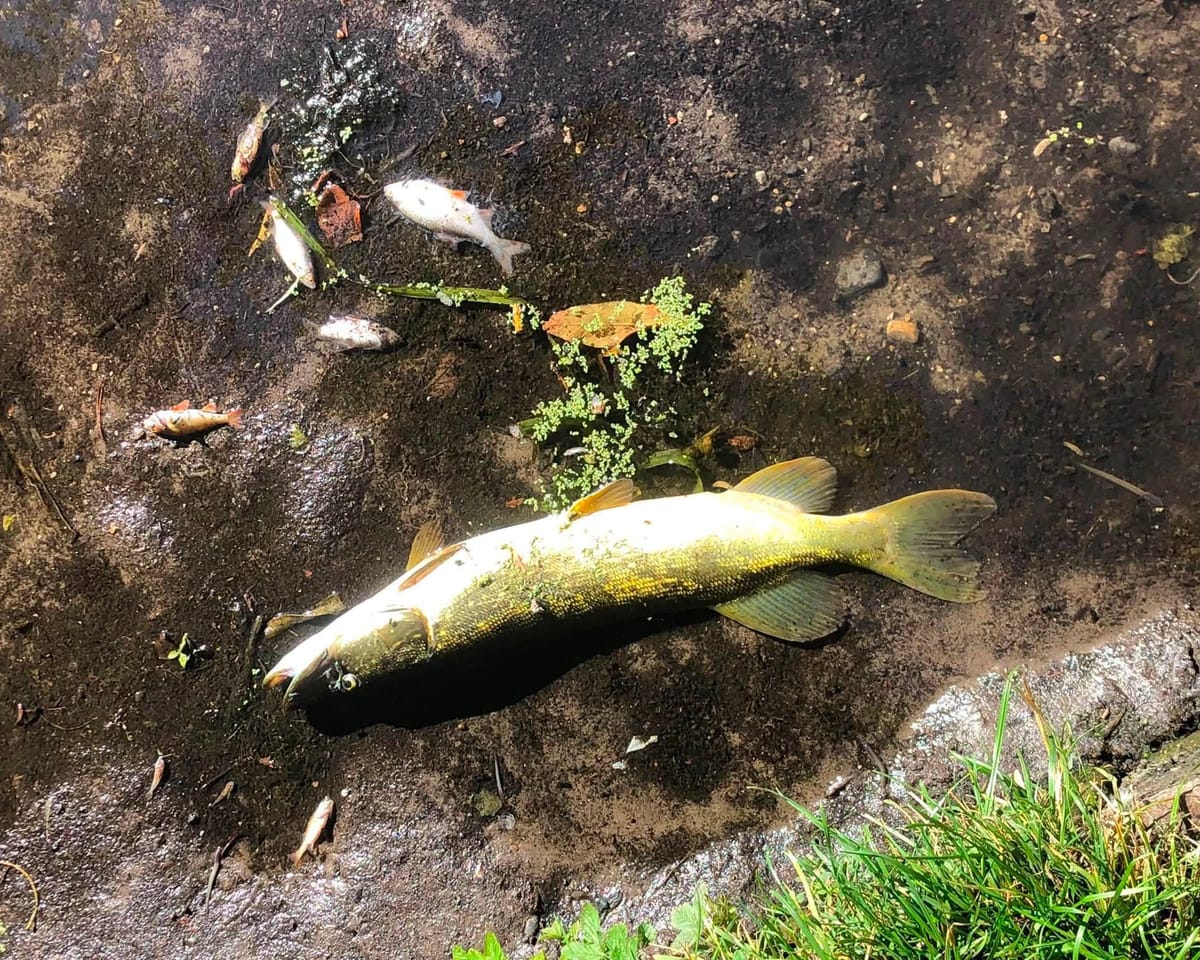
In August, passersby noticed the pungent odor of decaying fish along the River Wensum in Norwich, where over 3,000 pike, roach, carp, and rudd were found dead. Some fish gasped for air, struggling for oxygen that had been depleted due to heatwave conditions. Investigators attribute the die-off to heavy rainfall that flushed pollution into the water at a time when wildlife were already under stress.
The 45-mile chalk river is among approximately 250 such rivers in the country, emerging from chalk aquifers and hosting species like freshwater shrimp, otters, and stoneflies. They also supply drinking water for millions. However, only 11 have formal protection, with many suffering from sewage pollution and over-extraction. Although the Norfolk river has legal protection, its ecological health is poor. Eliot Lyne, head of the Norfolk Wildlife Trust, laments, “We are a world away from the crystal clear, free-flowing and mineral-rich waters they could, and should be.”
The 2020s were intended to mark a shift in how humanity interacts with nature. By the end of 2022, almost every government committed to a deal at a Montreal summit to protect biodiversity. The agreement set targets to protect 30% of the planet for nature, restore degraded ecosystems, and reform environmentally harmful subsidies worth at least $500 billion. Despite these commitments, governments are likely to miss most targets, continuing a trend of unmet UN nature targets since the 1992 Rio Earth Summit.
The UK, initially vocal about the Montreal deal's ambitions, is on track to meet only three of 23 targets by the decade's end. As nations gather at Cop17 in Yerevan, Armenia, to reassess their strategies, UN Secretary General António Guterres warns that “nature will not survive on good intentions.” He emphasizes the need to end fossil fuel subsidies, which he calls “subsidising suicide.”
Zac Goldsmith, a former UK government minister, notes a significant gap between international agreements and actual implementation. British conservationists highlight discrepancies between government rhetoric and action, citing the UK's weakened biodiversity rules, reduced rainforest protection funding, and no new sites of special scientific interest since 2023.
A UK government spokesperson mentions £7 billion in funding for nature recovery and climate resilience, along with restored climate aid commitments of around £6 billion over three years. Jonathan Hall from Conservation International UK stresses the importance of transparency in disbursing this funding.
Warnings about ecological collapse as a national security risk persist. Earlier this year, intelligence chiefs highlighted potential threats such as food shortages and economic strife. Political challenges, like the EU's nitrogen pollution crackdown in the Netherlands, illustrate the sensitivity of nature restoration efforts.
Internationally, the conservation sector has faced setbacks, notably during Donald Trump's presidency, which saw cuts to USAID and other agencies. Despite these challenges, some progress is noted, with countries responding to parts of the biodiversity agreement. For instance, French Polynesia has established large marine parks, and Kazakhstan has initiated rewilding efforts.
However, the gap between scientific demands and current change remains significant. Li Shuo from the Asia Society Policy Institute stresses that sustainable change requires countries to internalize the urgency to act and implement domestic measures. As negotiators convene in Armenia, the challenge remains to translate commitments into tangible actions.
Read next
Researchers Relying on Technology Less Likely to Act on Climate Change
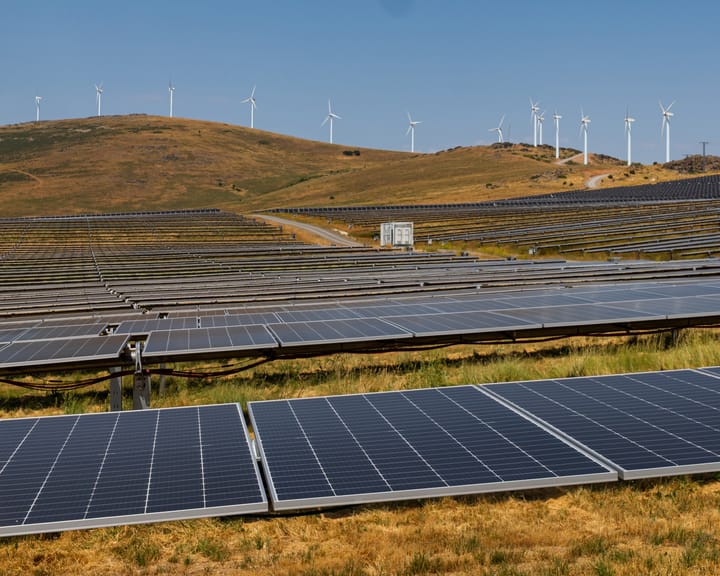
A study from the London School of Economics has found that scientists who are optimistic about technology solving climate issues are less likely to engage in civic actions compared to those who are skeptical of technological solutions. According to the study, these techno-optimists are 23% less likely to participate
Three-year project lifts lid on Britain’s little-understood shark species
Shark Scientists Turn to Anglers for Answers on Vulnerable Species
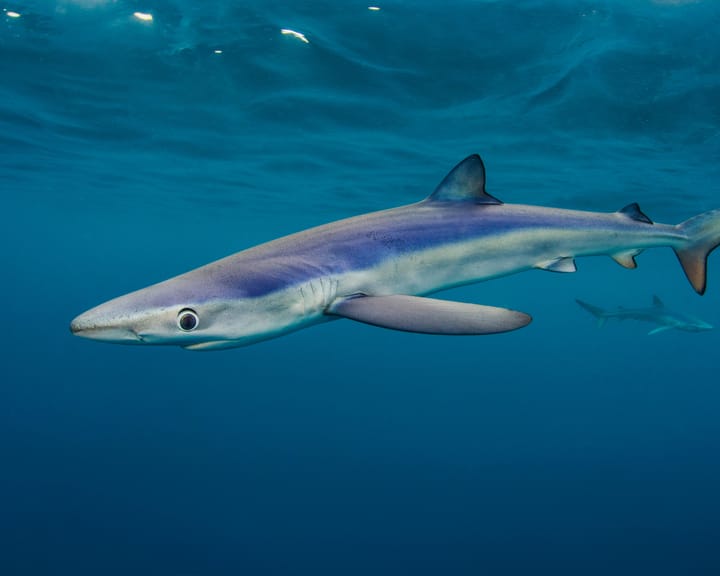
Dr Lucy Hawkes, associate professor at the University of Exeter, is co-leading a new three-year project to study some of England’s most vulnerable shark species. “I like the porbeagle, which looks like a baby great white shark,
Rare gull drifts thousands of kilometres to Australia, making birdwatching an 'extreme sport'
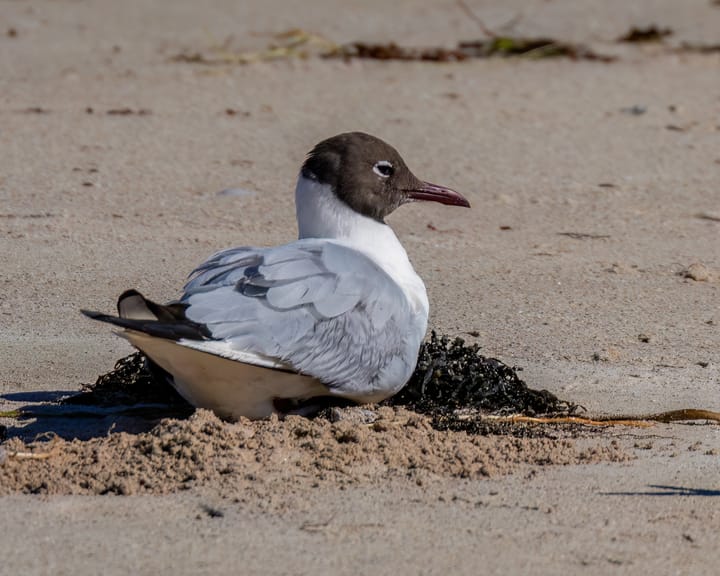
A rare seabird has created excitement among birdwatchers after appearing on the coast of Western Australia, thousands of kilometers away from its typical migration route.
The black-headed gull, a species that generally migrates between Asia and Europe, was spotted in Geraldton. The sighting was first shared on a local