
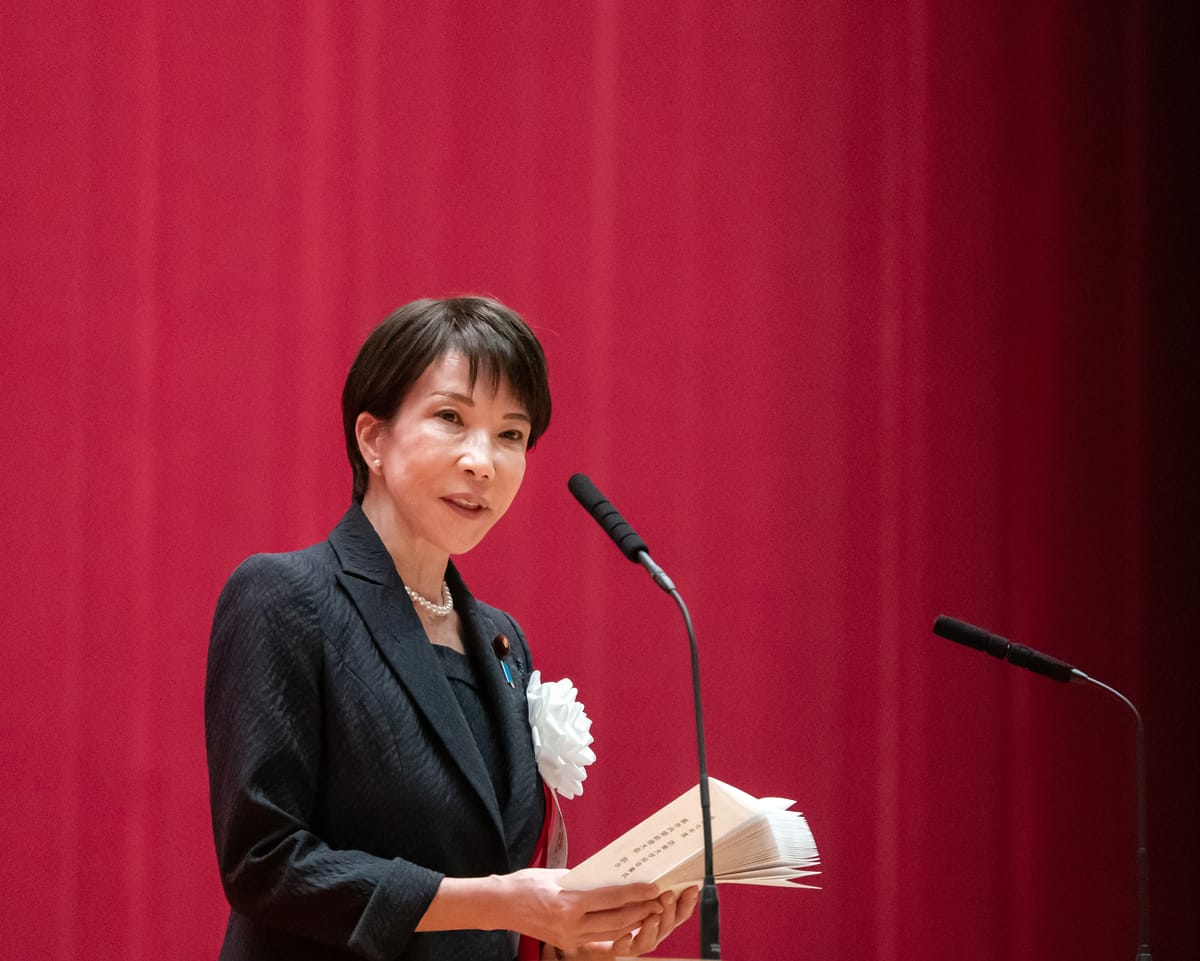
As Sanae Takaichi marks her first year in office, defying expectations of a short tenure, she has reshaped Japan’s political landscape. Her straightforward conservative approach led the Liberal Democratic Party (LDP) to a decisive electoral win and garnered voter support during a diplomatic dispute with China over Taiwan.
At 65, Takaichi, a protégé of the late Shinzo Abe, is navigating her leadership at a critical juncture. She confronts her first major cabinet scandal, economic pressures, and uncertainties regarding funding a proposed consumption tax cut. Persistent concerns about her leadership style, including interactions with colleagues and media relations, have surfaced. Takaichi is known for minimal sleep, reportedly two to four hours per night, and relies on her husband for support.
In international diplomacy, Takaichi has made efforts to strengthen ties with the United States, meeting Donald Trump four times and fostering a positive relationship despite some awkward moments. Domestically, she faces significant challenges, including managing fallout from her agricultural minister's controversial remarks and addressing public discontent in Okinawa following a US marine's arrest.
Takaichi's direct communication style, often via social media rather than traditional media briefings, has drawn criticism for avoiding scrutiny. Her plans to reduce the consumption tax have sparked questions about funding, exacerbating concerns about Japan’s public debt. While supporters appreciate her no-nonsense approach, it risks alienating party members who may not back her if circumstances worsen.
Despite these challenges, Takaichi’s clear policy responses, particularly on defense and regional threats, maintain voter support. Her leadership style, marked by a reluctance to engage in traditional political networking, sets her apart from predecessors. Observers note that her approach may appeal to voters but could leave her isolated within the party.
As Takaichi continues to navigate her premiership, her ability to manage internal and external pressures will determine her political longevity. While her style resonates with some, it may also limit her support base, posing risks to her leadership in the future.
Read next

What Lies Ahead for France Post-Riots? Europe Columnists Weigh In
After weeks of protests and a weekend of riots resulting in a town hall set ablaze, over 2,000 shops looted, 2,300 arrests, and 1,000 police officers injured, the repercussions for France—both societal and economic—continue to unfold. Allegations of police brutality have emerged, causing distress among
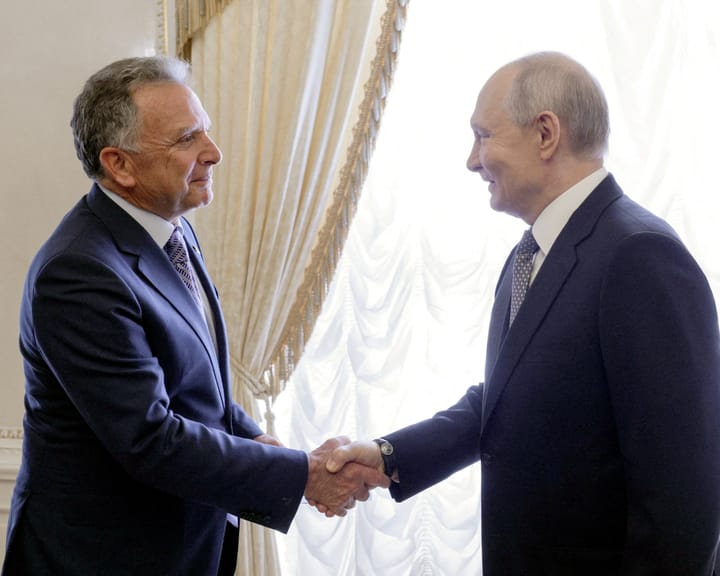
Putin Commands Release of Detained American Amid Ukraine Talks with Trump Envoy
Vladimir Putin ordered the release of an American from a Russian jail during discussions with Donald Trump's envoy, Steve Witkoff, in St. Petersburg on Wednesday. The meeting focused on efforts to end the conflict in Ukraine, highlighting the strengthening ties between Moscow and Washington.
Trump had requested Putin
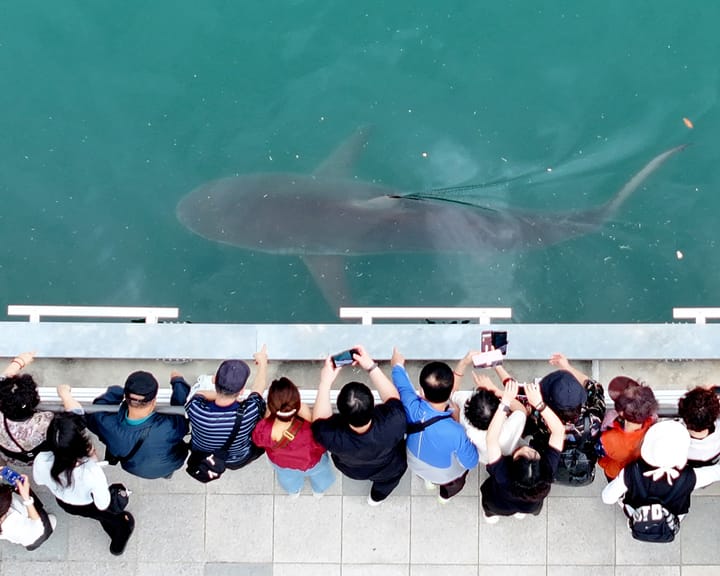
In the dark, YouTubers oversee a stranded shark in a South Korean canal.
In South Korea, a group known as jagyeongdan, reminiscent of a neighborhood watch, has taken it upon themselves to protect a stranded shark named Bukang-i in Busan's harbor. Since becoming trapped in a city canal on September 18, Bukang-i, a 3-meter-long endangered dusky shark,