
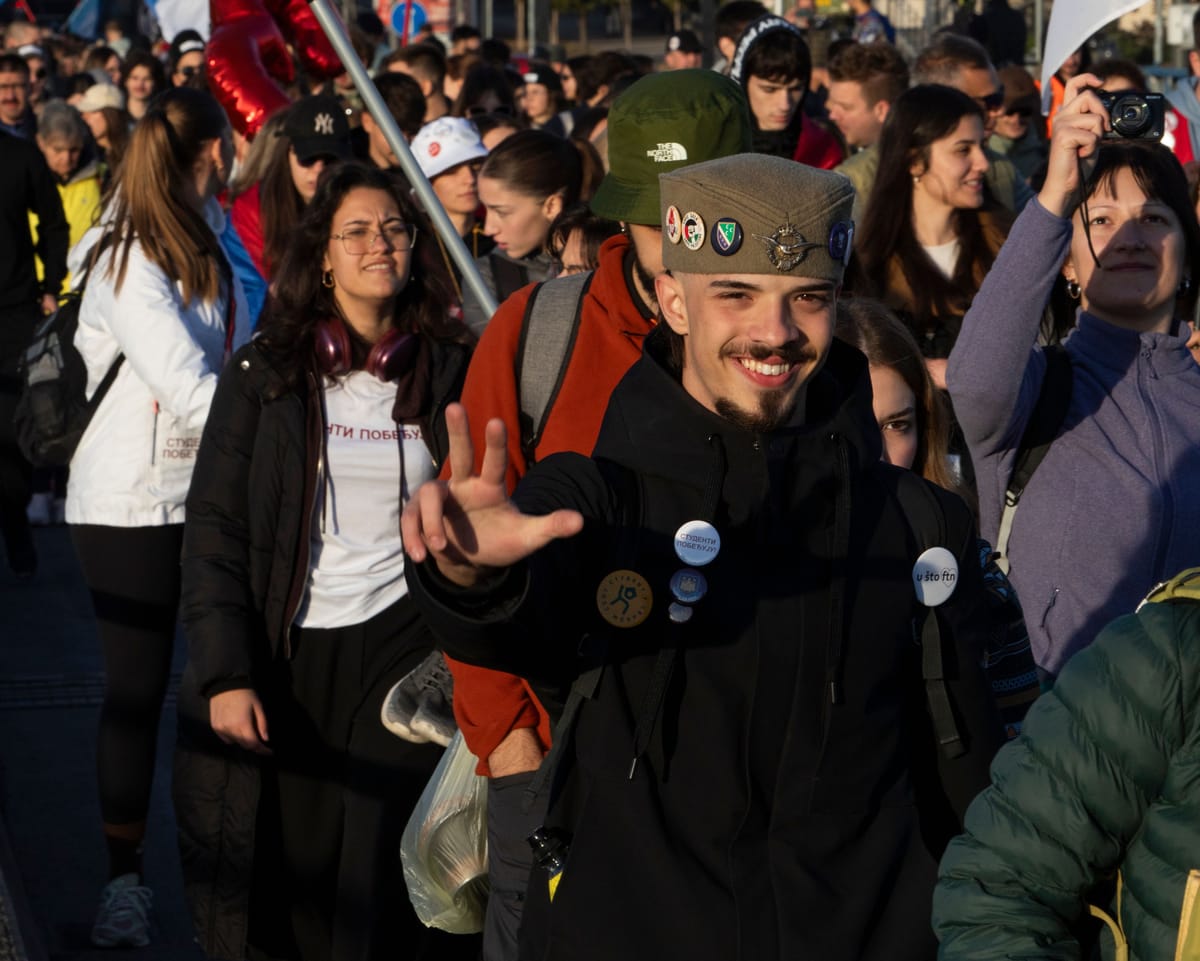
On an autumn evening in Belgrade's Krnjača suburb, a group of Serbian student volunteers canvassed local housing estates as part of their campaign for the upcoming parliamentary elections. These students, representing the Student List movement, aim to challenge the long-standing rule of Prime Minister Aleksandar Vučić. Their efforts come in the wake of successful opposition movements in nearby Hungary, inspiring hope for a democratic revival in the region.
The students, equipped with a mobile app to track support, received strong backing from many locals who expressed their dissatisfaction with current governance. Corruption, a significant concern among citizens, has been a central issue, with Serbia ranking poorly on Transparency International's corruption index. Local infrastructure problems, like deteriorating roads and failing sewage systems, further fueled residents' frustrations.
The Student List, consisting of 250 candidates mostly nominated by university faculties, aims to break the traditional mold of Serbian politics. They have adopted a decentralized approach, avoiding traditional leadership structures to protect themselves from state media smear campaigns. Their policy platform, decided collectively, seeks to address divisive issues with a focus on internal reforms rather than contentious foreign policy debates.
Vučić, who has been in power for over a decade, announced his resignation as president to call for snap elections, a move seen as an attempt to disrupt the Student List's momentum. However, the students adapted by improvising a democratic experiment, engaging directly with citizens to build support.
The Student List faces a formidable opponent in the Serbian Progressive Party (SNS), which has maintained control over national media and state resources. Despite these challenges, the student movement has focused on grassroots campaigning, reaching out to rural communities traditionally aligned with Vučić.
Critics, including former government officials, doubt the student movement's ability to win substantial rural support, predicting a limited impact in the national assembly. However, some analysts believe the tragic Novi Sad disaster, which spurred the initial protests, could mobilize previously apolitical citizens to support change.
As the election approaches, concerns about potential post-election unrest and election rigging loom large. The Student List plans to deploy numerous monitors to ensure transparency, while diplomats hope that Vučić's international commitments, such as hosting EXPO 2027, will deter any electoral misconduct. The student movement remains resolute, preparing for possible street demonstrations to safeguard their electoral success, reflecting a widespread sentiment of urgency and determination among their supporters.
Read next

What Lies Ahead for France Post-Riots? Europe Columnists Weigh In
After weeks of protests and a weekend of riots resulting in a town hall set ablaze, over 2,000 shops looted, 2,300 arrests, and 1,000 police officers injured, the repercussions for France—both societal and economic—continue to unfold. Allegations of police brutality have emerged, causing distress among
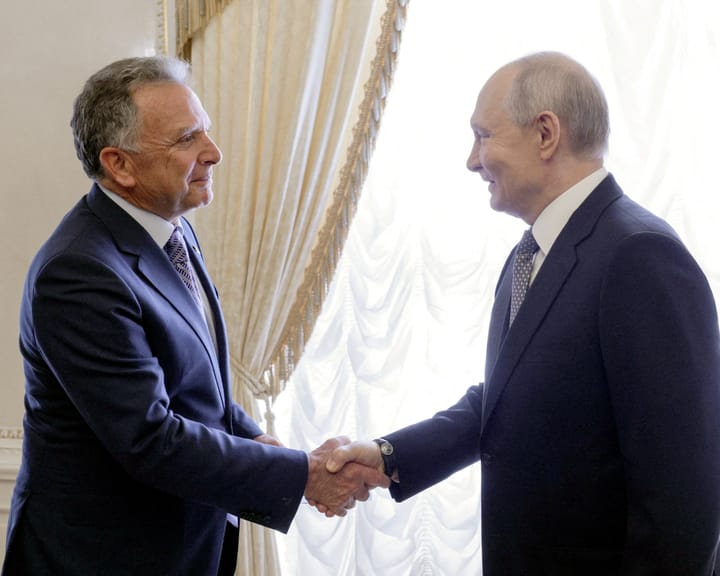
Putin Commands Release of Detained American Amid Ukraine Talks with Trump Envoy
Vladimir Putin ordered the release of an American from a Russian jail during discussions with Donald Trump's envoy, Steve Witkoff, in St. Petersburg on Wednesday. The meeting focused on efforts to end the conflict in Ukraine, highlighting the strengthening ties between Moscow and Washington.
Trump had requested Putin
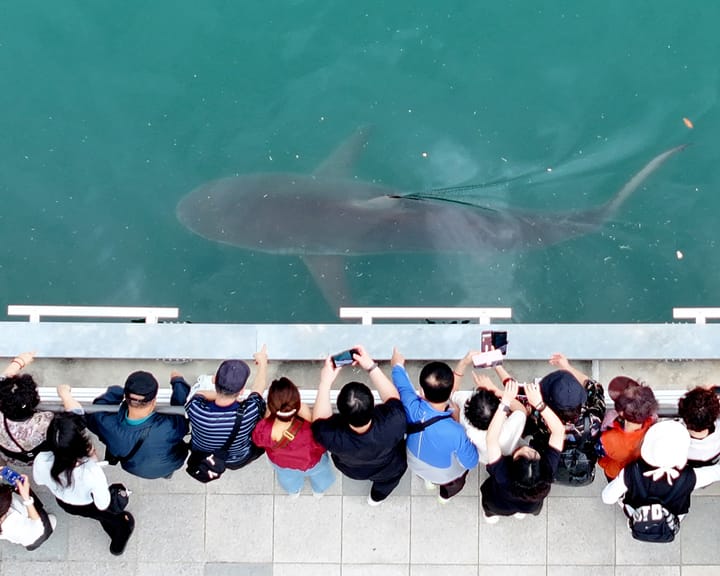
In the dark, YouTubers oversee a stranded shark in a South Korean canal.
In South Korea, a group known as jagyeongdan, reminiscent of a neighborhood watch, has taken it upon themselves to protect a stranded shark named Bukang-i in Busan's harbor. Since becoming trapped in a city canal on September 18, Bukang-i, a 3-meter-long endangered dusky shark,