
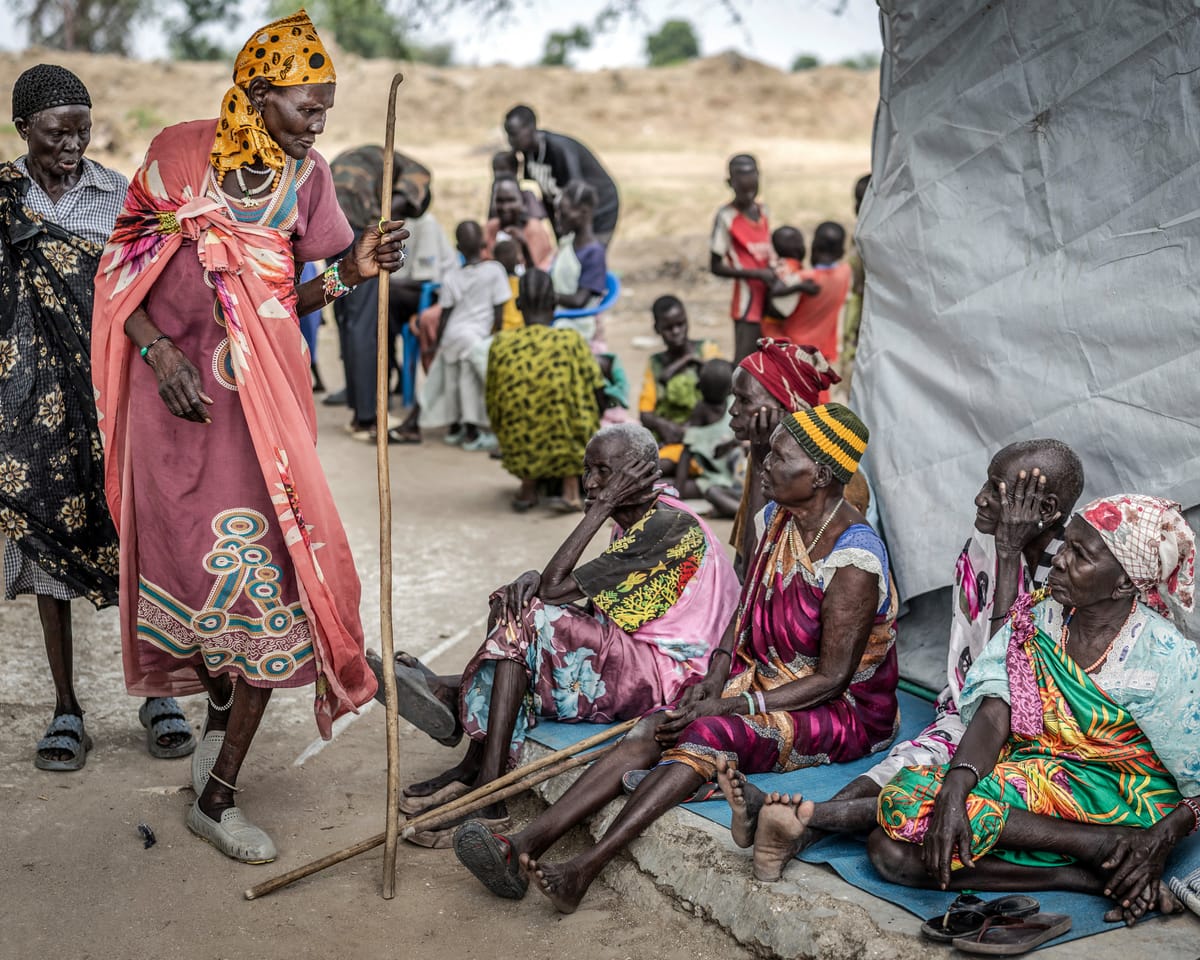
South Sudan is being shaken by a growing clash between the government‑aligned army and opposition forces and their allies, a situation that analysts warn could plunge the nation back into a full‑scale civil war.
Violent encounters in the world’s youngest state between troops loyal to President Salva Kiir and insurgents thought to be linked to the suspended vice‑president Riek Machar have intensified in recent weeks.
On Sunday, at least 169 people were killed after armed youths from Mayom county in the north attacked a village in neighboring Abiemnom county near the Sudan border.
The dead included women, children and members of government security forces, according to James Monyluak Majok, information minister for the Ruweng administrative area, where Abiemnom lies.
The United Nations mission in South Sudan said it was sheltering more than 1,000 civilians at its base in the region and was providing medical treatment to the injured. It reported about 23 people were wounded in the raid.
Stephano Wieu de Mialek, chief administrator of Ruweng, said the assault was carried out by fighters associated with the White Army – a militia that backed Machar during the earlier civil war – together with forces tied to Machar’s political party and rebel group, the Sudan People’s Liberation Movement‑in‑Opposition (SPLM‑IO).
The group denied involvement in the attack and said it had no military presence in the locality.
On Monday, Doctors Without Borders (MSF) said 26 of its staff were missing after recent violence in parts of Jonglei state, an area that has seen heavy fighting between government and opposition forces since December.
The humanitarian agency noted that on 3 February its hospital in Lankien had been struck by an airstrike from government forces, subsequently set ablaze and looted, and that its health centre in Pieri had also been looted.
Regarding the missing personnel, MSF said: “We have lost contact with them amid ongoing insecurity.”
The organization added that it had been forced to halt medical operations in Lankien and Pieri because of the unsafe environment.
Machar and Kiir were both members of the Sudan People’s Liberation Army guerrilla movement that fought for independence from Sudan, achieved in 2011, after which Kiir became president and Machar the first vice‑president.
South Sudan fell into a brutal civil war in 2013 after Kiir dismissed Machar and later accused him of plotting a coup.
Machar then formed the SPLM‑IO, and the two sides fought a conflict that killed more than 400,000 people and displaced almost half the country’s population.
The fighting largely followed ethnic lines, pitting Kiir’s majority Dinka community against Machar’s Nuer, the nation’s second‑largest ethnic group.
In 2018, Kiir and Machar signed a peace agreement that ended the civil war, created a unity government and restored Machar to the vice‑presidency. Yet implementation has stalled, with the parties repeatedly clashing over power‑sharing arrangements.
Read next
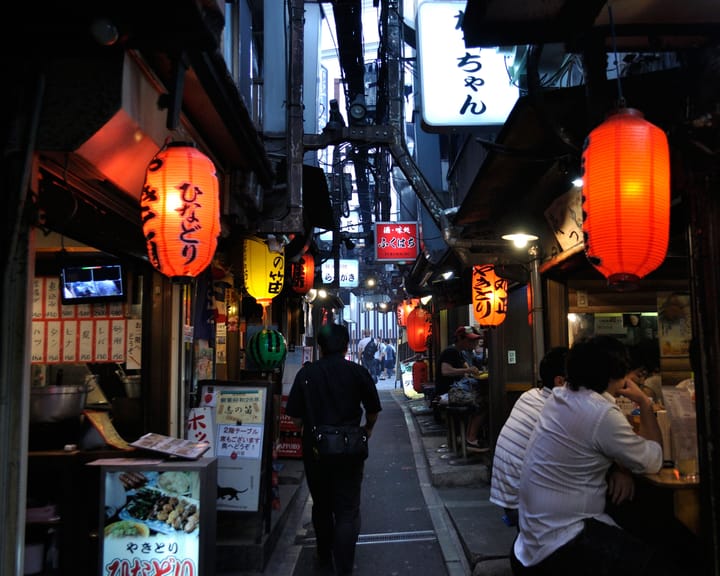
Tokyo tourist hotspot outlaws short-term rentals amid complaint surge
Shinjuku Ward, Tokyo, has moved to ban short-term rental accommodations in residential areas and near schools and important cultural sites, following a slew of complaints about visitor behaviour. The decision, to be enacted through a local ordinance, marks the latest sign that Japan’s patience with mass tourism is
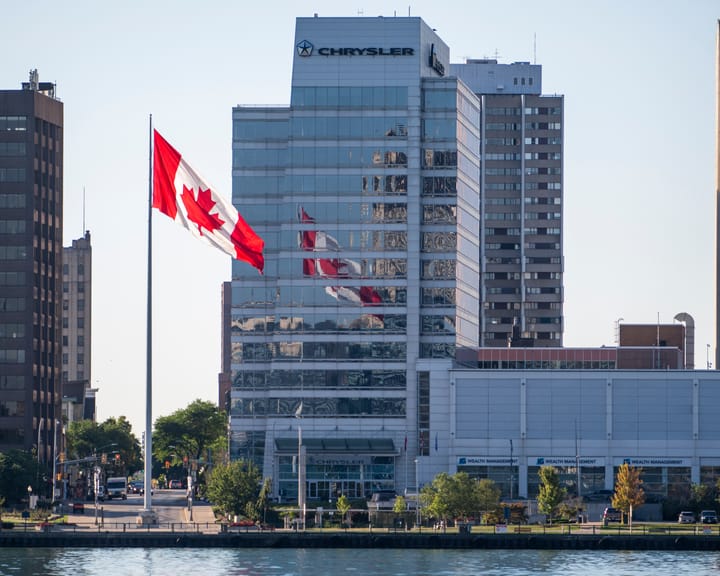
Canada implements retaliatory US tariffs as trade dispute intensifies
Canada’s retaliatory tariffs on about $20 billion worth of American imports took effect at 12.01am on Tuesday, ranging from 15% to 50% and applying to steel, dairy, appliances, agricultural equipment, pulp and paper, and electronics. The measures, a response to the United States’ 50% tariff on $20 billion
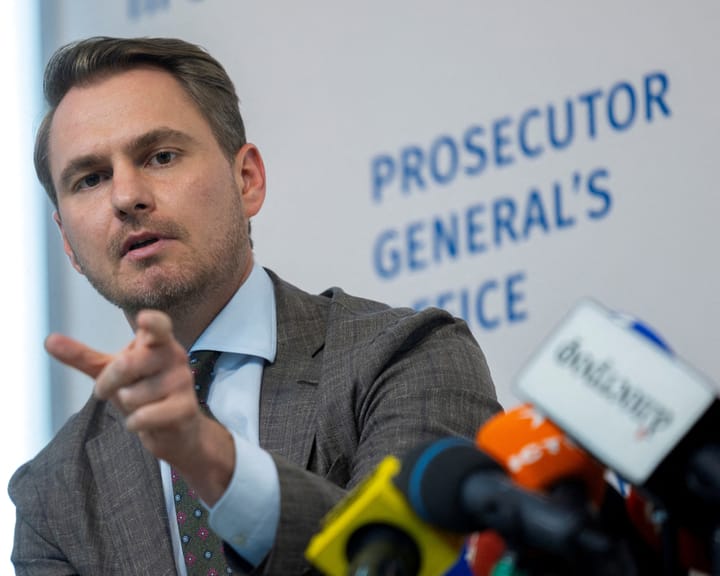
Prosecutor general resigns amid political turmoil in Kyiv during Ukraine war
Ukraine’s prosecutor general Ruslan Kravchenko resigned amid corruption accusations after anti-graft officers searched his offices at the weekend. He called the allegations “completely unsubstantiated” and denied wrongdoing. The National Anti-Corruption Bureau (NABu) and Specialised Anti-Corruption Prosecutor’s Office (Sapo) announced Saturday they uncovered a money-laundering