
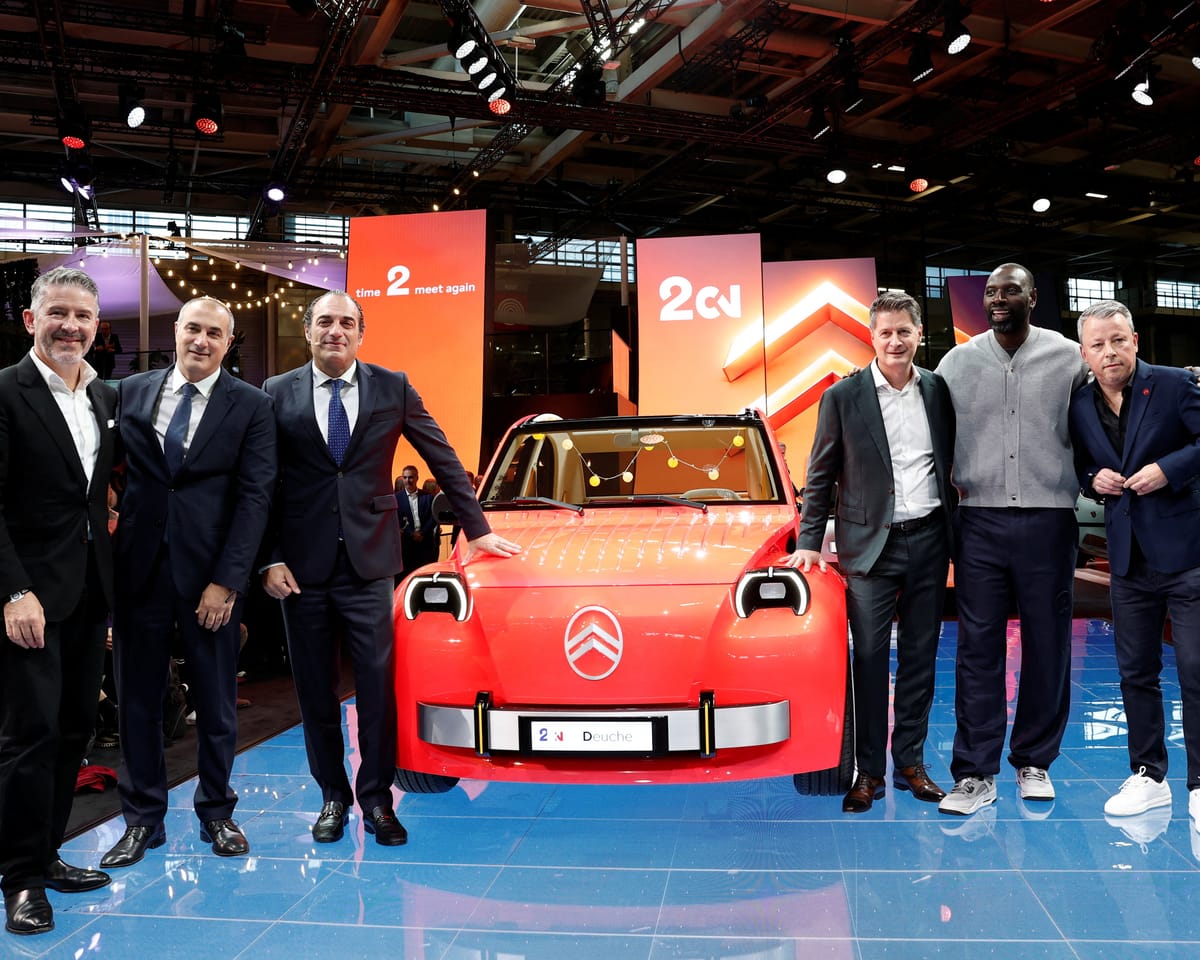
Stellantis and Renault have supported the inclusion of the UK car industry in proposed EU regulations aimed at safeguarding European manufacturers. They have, however, urged the British government to consider restricting imports of Chinese vehicles.
Emanuele Cappellano, who oversees Stellantis’s European brands like Fiat, Citroën, Opel, and Vauxhall, alongside François Provost, CEO of Renault, advocated for the UK to be treated as part of the EU’s 27 member states under the "Made in Europe" legislation. This legislation is designed to ensure that EU subsidies and procurement benefits European industry rather than foreign manufacturers.
The executives spoke at the Paris motor show, which also saw the presence of the French president, Emmanuel Macron, and several Chinese manufacturers like Li Auto, GAC, and Chery, who are expanding into Europe.
Europe’s automotive sector faces challenges from reduced demand post-pandemic and the transition to electric vehicles (EVs), which require significant investment. Meanwhile, Chinese carmakers have increased their market share, partly due to the shift towards EVs.
The EU announced plans to limit Chinese hybrid EV imports to 350,000 vehicles annually, effective from December. This quota is expected to halve China’s current 6% market share, following a recent agreement in Beijing.
The "Made in Europe" rules are part of the EU's strategy to counter China's growing influence in key industries like automotive and chemicals. Under the Industrial Accelerator Act (IAA), vehicles must be "made in Europe" with substantial European components to qualify for EV incentives and public procurement in the EU. However, there is ongoing debate over the definition of "European."
If the EU defines "European" strictly as EU countries, the UK risks exclusion, leading to lobbying from the UK car industry and government for inclusion. Stellantis, with its factory in Ellesmere Port, Merseyside, is one of the manufacturers advocating for the UK's inclusion.
Cappellano emphasized the historical and economic ties between the UK and Europe, suggesting the UK should be considered part of the EU 27. Automotive lobby groups ACEA and Clepa also support the UK’s inclusion, despite some EU members, like France’s industry minister, arguing against it due to Brexit.
Provost stated that a deal between the UK and EU is essential, requiring the UK to limit Chinese car imports. He highlighted the need for the UK to invest in the automotive value chain if it wants to be part of the European ecosystem.
While London has resisted imposing tariffs on Chinese imports, the decision is under review by the UK business secretary, Jonathan Reynolds. Cappellano echoed the call for tariffs, stressing the need for the UK to prioritize its industrial strategy.
He expressed skepticism about including countries like Japan, Turkey, and Morocco in the regulations, suggesting a more limited European scope. Additionally, Cappellano advocated for extending the timeline to 2030 for sourcing batteries within Europe, acknowledging China’s dominance in the battery market.
Read next
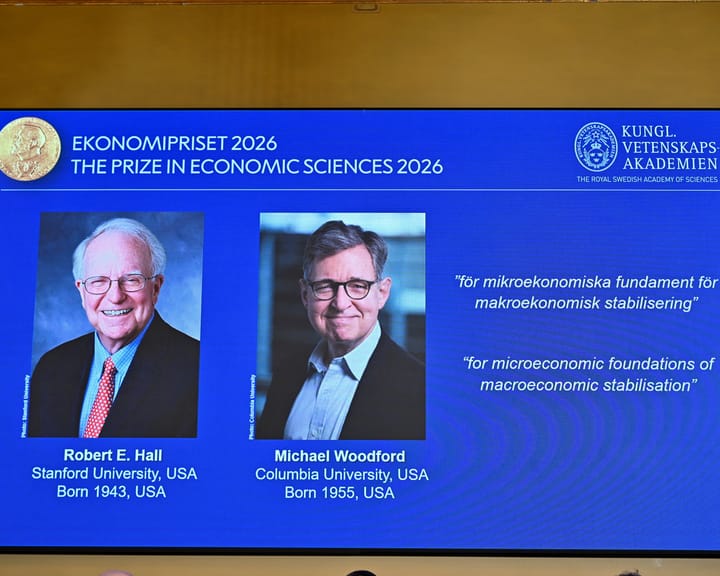
Nobel Prize in Economics Given to Americans Hall and Woodford for New Keynesian Model Research – Business Live
The Nobel Prize in Economics has been awarded to Robert E. Hall and Michael Woodford for their contributions to the "microeconomic foundations of macroeconomic stabilization." Their work has significantly enhanced the implementation of effective stabilization policies, influencing both fiscal and monetary measures to mitigate economic fluctuations. This recognition

Father Required to Provide DNA for Daughter's Passport Application
My teenage daughter is unable to visit her grandparents in the UK due to new rules requiring dual nationals to possess a UK passport.
As a UK citizen living in France with my French spouse, our older children have both French and UK passports. Our youngest, born in Zimbabwe, only

IFS Warns: Budget Lacks Substance Without Strategy to Address UK Spending Pressures
As Britain faces financial challenges exacerbated by the Middle East conflict, leading tax and spending experts have cautioned John Healey, the Chancellor, that his budget could be seen as unrealistic unless he addresses a £35bn funding gap. The Institute for Fiscal Studies (IFS) highlighted that inflation's impact necessitates