
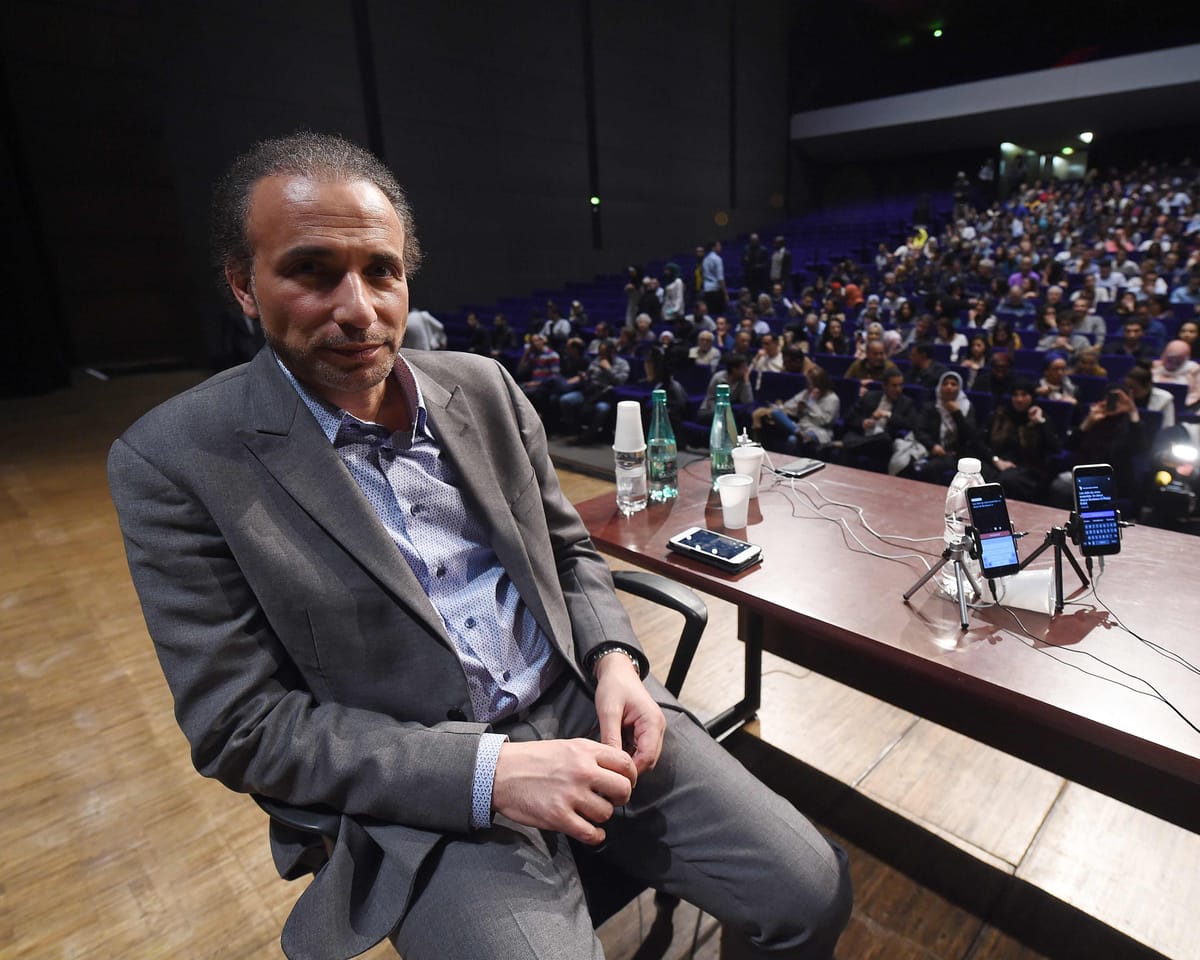
The well‑known Swiss academic and Islam specialist Tariq Ramadan is set to appear before a Paris court on Monday, facing accusations of raping three women in France between 2009 and 2016.
Ramadan, who has previously advised British administrations on Islamic affairs, rejects all allegations in a case that many view as one of the most significant outcomes of France’s #MeToo wave.
Now 63, he taught contemporary Islamic studies at Oxford University until he was placed on leave in 2017 after the first rape accusations emerged. He formally retired from Oxford in June 2021.
He stands charged with raping three women; a conviction could bring a sentence of up to 20 years behind bars.
Henda Ayari, 41, a former Salafist who now campaigns for women’s rights, reported Ramadan to police in 2017, alleging rape, sexual violence, harassment and intimidation. She claims he assaulted her in a Paris‑east hotel room in spring 2012 while she attended a conference where he was speaking.
A second complainant, identified only as “Christelle,” told investigators that Ramadan raped her in a Lyon hotel in October 2009 during another conference and subjected her to a violent assault.
A third woman alleges a rape by Ramadan in 2016.
When the inquiry began in 2017, Ramadan – married with four children – denied any sexual contact with the first two complainants. In 2018 he altered his testimony, informing the investigating judges that he had indeed engaged in sexual relations with Ayari and Christelle, but maintained that the encounters were consensual “dominant‑submissive” arrangements initiated by the women.
The third woman’s claim was incorporated into the probe at a later stage.
Sarah Mauger‑Poliak, representing Henda Ayari, told Agence‑France Presse that the proceeding is “not a conspiracy or a political fight” but simply a rape case.
Christelle’s counsel announced they would request a closed session, excluding media and the public, a right afforded under French law, to safeguard her identity and prevent harassment. They described the hearing as a “crucial moment” after an extensive investigation.
Ramadan’s attorneys warned that his multiple sclerosis makes it unsafe for him to sit in court without jeopardising his health, raising concerns about the fairness of the trial.
Read next

Tokyo tourist hotspot outlaws short-term rentals amid complaint surge
Shinjuku Ward, Tokyo, has moved to ban short-term rental accommodations in residential areas and near schools and important cultural sites, following a slew of complaints about visitor behaviour. The decision, to be enacted through a local ordinance, marks the latest sign that Japan’s patience with mass tourism is
Canada implements retaliatory US tariffs as trade dispute intensifies
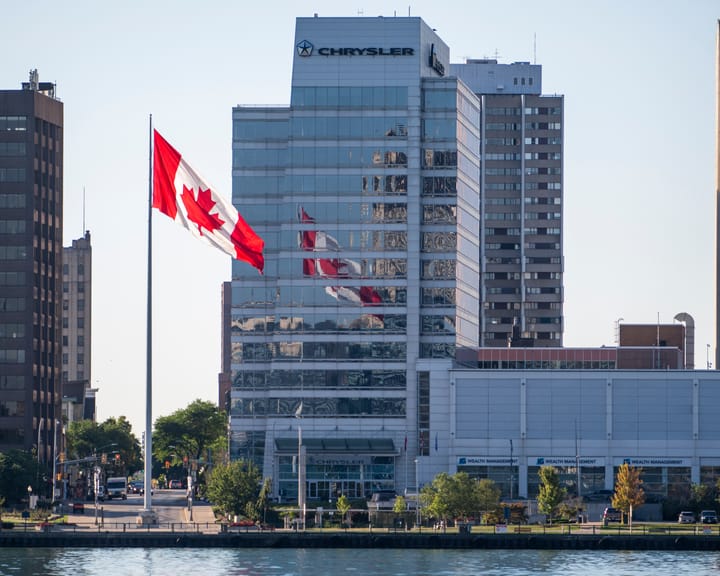
Canada’s retaliatory tariffs on about $20 billion worth of American imports took effect at 12.01am on Tuesday, ranging from 15% to 50% and applying to steel, dairy, appliances, agricultural equipment, pulp and paper, and electronics. The measures, a response to the United States’ 50% tariff on $20 billion
Prosecutor general resigns amid political turmoil in Kyiv during Ukraine war
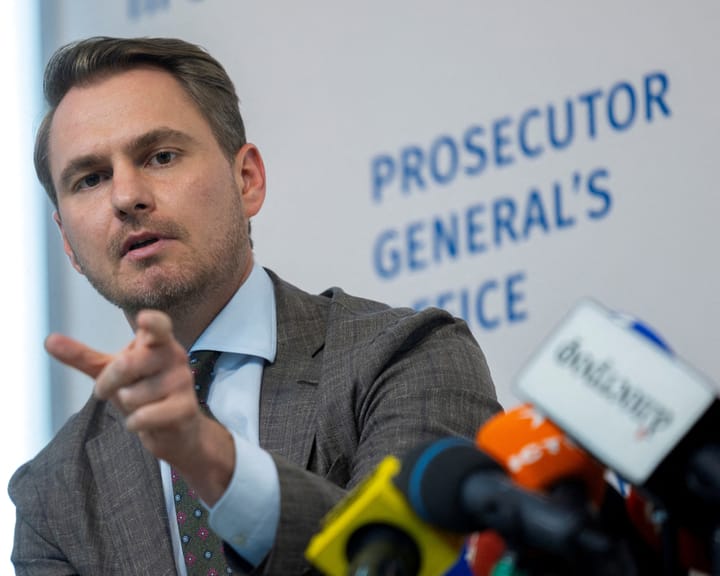
Ukraine’s prosecutor general Ruslan Kravchenko resigned amid corruption accusations after anti-graft officers searched his offices at the weekend. He called the allegations “completely unsubstantiated” and denied wrongdoing. The National Anti-Corruption Bureau (NABu) and Specialised Anti-Corruption Prosecutor’s Office (Sapo) announced Saturday they uncovered a money-laundering