
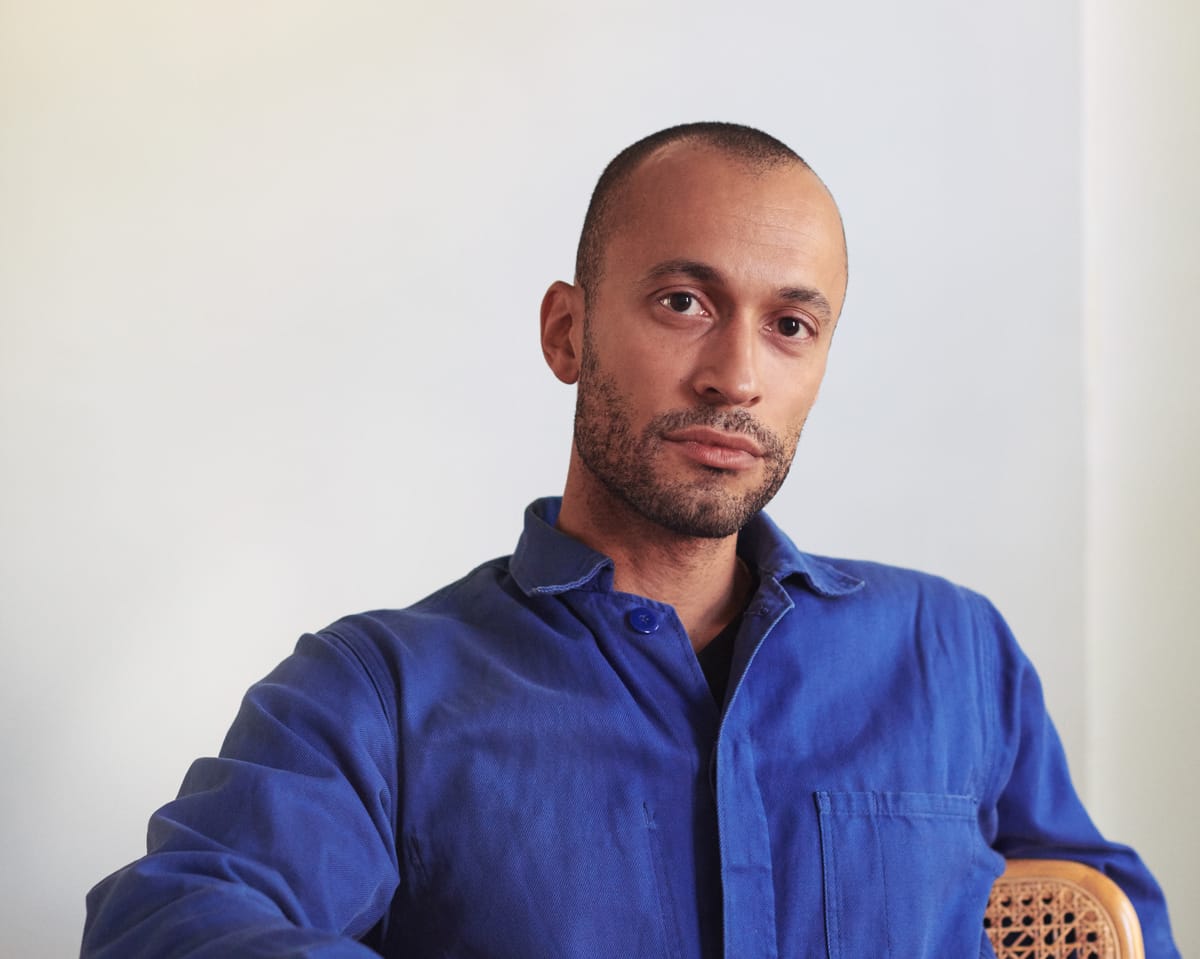
Thomas Chatterton Williams, a prominent intellectual in the US, opposes the Trump-aligned right for its unpredictable authoritarianism. But he is equally critical—perhaps even more sharply so—of its vocal left-wing detractors. While he prides himself on avoiding ideological tribes, he is not entirely free of them. As Terry Eagleton once remarked, ideology often seems to be something only others possess. Williams may believe himself an independent thinker, but his perspective often reflects a comfortable liberal certainty.
His 2010 memoir, *Losing My Cool*, followed his journey—as the subtitle described—through love, literature, and his departure from collective expectations. Framing rap not as a musical style but as a culture that led young Black men toward crime, Williams suggested he might have met the same fate (such as when he recounts an altercation with his girlfriend, attributing his actions to hip-hop’s influence) were it not for his strict father, who immersed him in literature.
The classics, in the end, steered him toward an intellectual life, and the book concludes with him studying Sartre in Paris. But Williams didn’t merely share his experience; he positioned it as a blueprint for others. The implicit argument—"You can be like me"—overlooked his own privileges, including a father with a sociology PhD, a mixed-race background, and a middle-class upbringing in suburban New Jersey.
His second memoir, *Self-Portrait in Black and White: Unlearning Race*, released just before the pandemic, expanded on these ideas. The birth of his blond, white-passing daughter prompted his reflections on racial identity as arbitrary. From this, he urged Black Americans to “transcend” race altogether, suggesting mixed-race individuals should lead this shift. He acknowledged the ease of this stance for him and his daughter while insisting others follow.
Now, in his third memoir, *Summer of Our Discontent*, Williams critiques Black Lives Matter from his Parisian vantage point. Early on, he blames the fracturing of society on the left’s fixation with race-based identity politics, arguing it has weakened solidarity and allowed the far right to gain ground. While his initial observations are measured, his argument spirals, condemning nearly all forms of collective action as counterproductive. By the end, little remains outside his scorn.
Read next
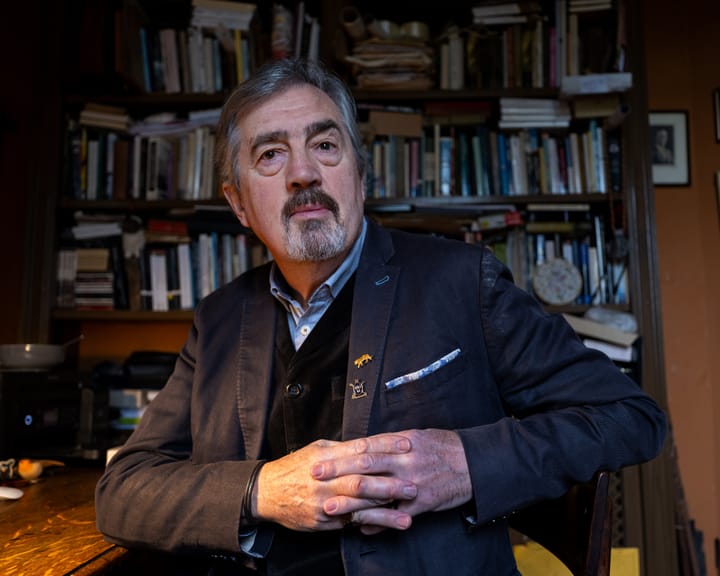
Sebastian Barry's The Newer World: a near-miracle of storytelling review
Sebastian Barry’s latest novel, *The Newer World*, gives voice to Tennyson Bouguereau, a formerly enslaved man navigating post-Civil War America. Through Tennyson’s recollections, the narrative revives the perennial question: is history better served by novelists or historians? Historians might demur, but as Barry illustrates, fiction can fill
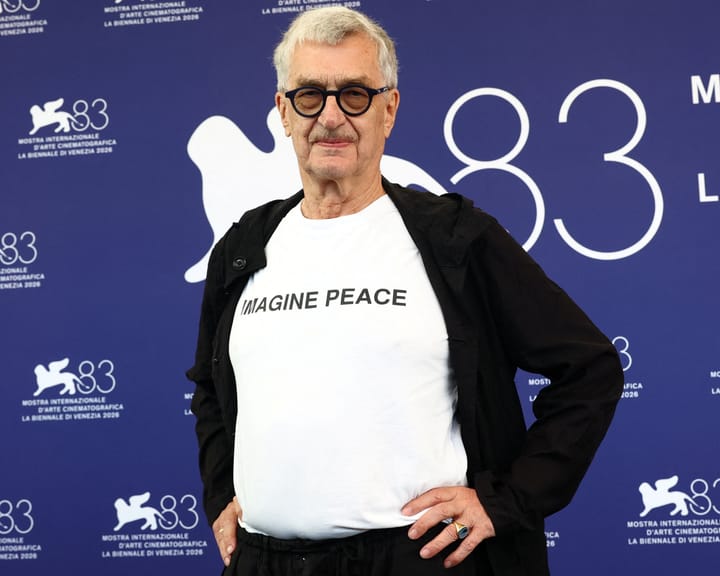
Wim Wenders says film-makers should not avoid political involvement
Filmmaker Wim Wenders has clarified his earlier comments on the relationship between cinema and politics. Speaking at the Venice film festival, he stated that he does not believe filmmakers should completely avoid political engagement.
Earlier in the year, while serving as jury president at the Berlin film festival, Wenders told
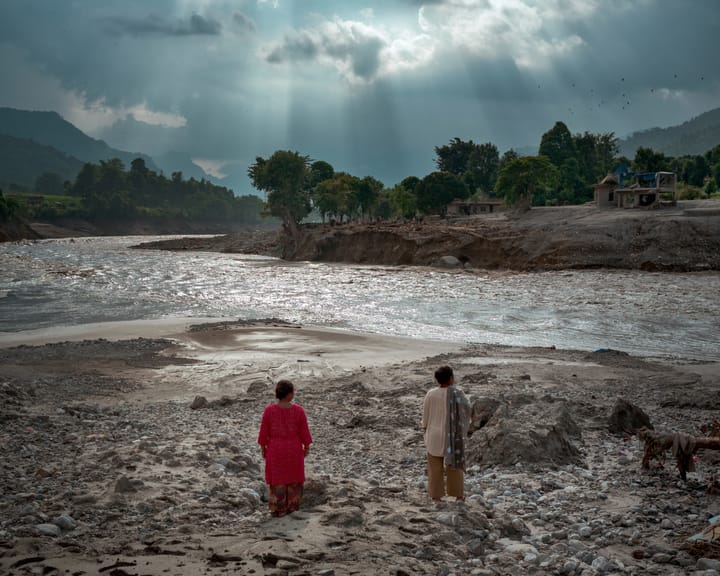
The week around the world in 20 images
The week witnessed a series of catastrophic events, including the devastating floods along the Nepal-Tibet border, Russian missile attacks on Kyiv, the rapid spread of the Plaskett Fire across California, and the vibrant celebration of the Notting Hill carnival. The following images, captured by top photojournalists, document these moments.