
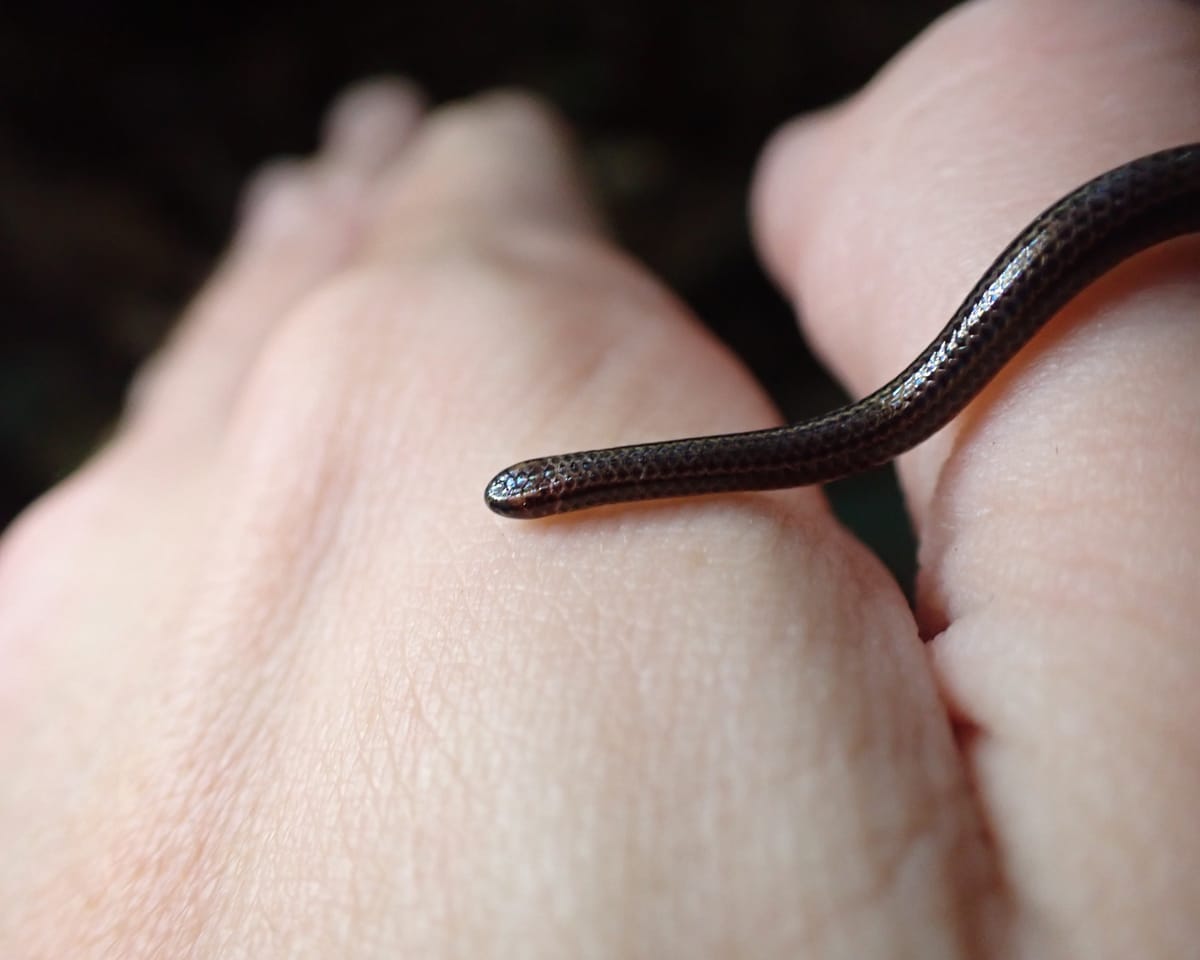
World’s Smallest Snake Rediscovered in Barbados After 20 Years
The Barbados threadsnake, once feared extinct, has been found again under a rock in the island’s interior during an ecological survey conducted in March by the environment ministry and the conservation group Re:wild.
Measuring just 10cm when fully grown and as slender as a piece of spaghetti, the snake had been missing from scientific records for years, leaving it among thousands of species globally considered lost to research.
The snake’s scarcity raises concerns among experts. Connor Blades, a project officer with the environment ministry, stated, “If the threadsnake’s numbers are low, their chances of finding mates could be at risk, especially if their environment continues to decline.”
Blades and Justin Springer, Re:wild’s Caribbean programme officer, had spent over a year searching for the threadsnake and other native reptiles as part of a protection initiative.
During the March survey, Springer humorously remarked, “I smell a threadsnake,” while lifting a rock nestled under tree roots—and there the snake was.
“After so much searching without success, actually finding it was a surprise,” Springer said.
The snake was taken to the University of the West Indies, where microscopic analysis confirmed its identity through distinctive pale orange markings and a unique nasal scale.
First recorded in 1889, the species has only been spotted a few times since. Unlike some reptiles, which can reproduce without mating, the threadsnake relies on sexual reproduction, with females laying just one egg at a time.
With 98% of Barbados’ forests lost to farming since colonization centuries ago, conservationists warn that habitat loss and invasive species threaten the snake’s survival.
“Rediscovering this snake reminds us that Barbados’ forests are vital and need safeguarding,” Springer added. “Not just for this species, but for all wildlife, plants, and our natural heritage.”
Read next
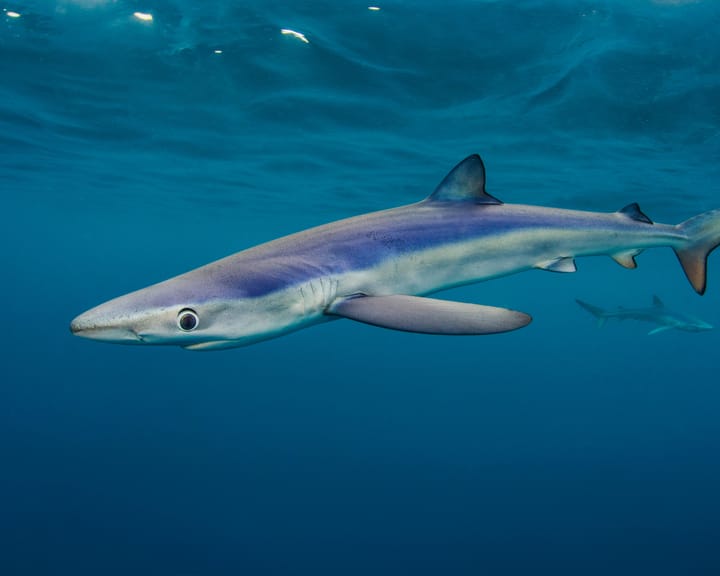
Three-year project lifts lid on Britain’s little-understood shark species
Shark Scientists Turn to Anglers for Answers on Vulnerable Species
Dr Lucy Hawkes, associate professor at the University of Exeter, is co-leading a new three-year project to study some of England’s most vulnerable shark species. “I like the porbeagle, which looks like a baby great white shark,
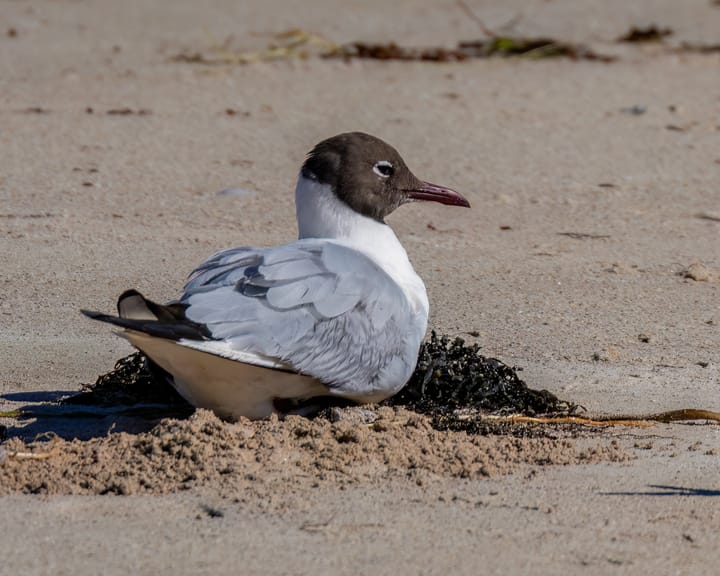
Rare gull drifts thousands of kilometres to Australia, making birdwatching an 'extreme sport'
A rare seabird has created excitement among birdwatchers after appearing on the coast of Western Australia, thousands of kilometers away from its typical migration route.
The black-headed gull, a species that generally migrates between Asia and Europe, was spotted in Geraldton. The sighting was first shared on a local

Why U.S. Cities Prioritizing Cars Lag Behind Global Peers in Public Transit
The only train station in Houston, the US’s fourth‑largest city and one of the fastest‑growing conurbations in the country, is a diminished, morose sight. Intercity trains arrive at this squat, shed‑like Amtrak building, which cringes in the shadows of roaring highways, just three times a week.