
It required months for the false statements of the Bush administration concerning weapons of mass destruction in Iraq to surface, after an invasion, a regime change, a probe, and finally the revelation. By contrast, the Trump administration’s alerts about an imminent Iranian danger emerged within a single afternoon.
On Capitol Hill on Monday, U.S. Secretary of State Marco Rubio quickly undercut the Trump administration’s assertion that Iran was preparing a pre‑emptive attack by introducing a crucial detail: Israel intended to strike first.
“We were aware that an Israeli operation was forthcoming, that it would trigger an assault on American troops, and that if we did not act against them before they launched those attacks, we would incur greater casualties,” Rubio told reporters on Tuesday.
The disclosure produced two implications for the most extensive U.S. military action in a generation. First, senior officials had misinformed the public on Saturday when they warned of intelligence indicating Iran’s plan to mount a pre‑emptive strike. Second, Israel and Prime Minister Benjamin Netanyahu had a far more decisive influence in prompting the United States to hit Iran than had previously been acknowledged.
Democrats, as expected, reacted with outrage. “There was no immediate threat to the United States from the Iranians,” said Senator Mark Warner, the leading Democrat on the Senate Intelligence Committee, who had received classified briefings from Rubio. “The danger was to Israel. If we treat a threat to Israel as equivalent to an imminent threat to the United States, we are entering uncharted territory.”
“I think Secretary Rubio unintentionally revealed the truth—that this was driven by Benjamin Netanyahu—and now we find ourselves in a major conflict,” said Senator Angus King while questioning Pentagon policy‑planning official Elbridge Colby.
The administration has been understandably defensive about the allegation that Netanyahu pressured Trump into this latest war. (His press secretary Karoline Leavitt retweeted a piece titled: No, Marco Rubio Didn’t Claim That Israel Dragged Trump into War with Iran).
“I believed they were poised to strike first, and I didn’t want that to happen. If anything, I may have forced Israel’s hand,” Trump told reporters in the Oval Office. “We were negotiating with these lunatics, and I was convinced they [Iran] would attack first.”
Since Trump began assembling his “armada” in the Middle East—the largest buildup since the Iraq war—the administration has offered a series of rationales for the strike on Iran, yet it still has not settled on a single justification for the current conflict.
It started with Trump’s claim that he was deploying warships to the region in response to Iran’s crackdown on pro‑democracy demonstrators, which he said had killed 35,000 people (other estimates are more modest).
Read next
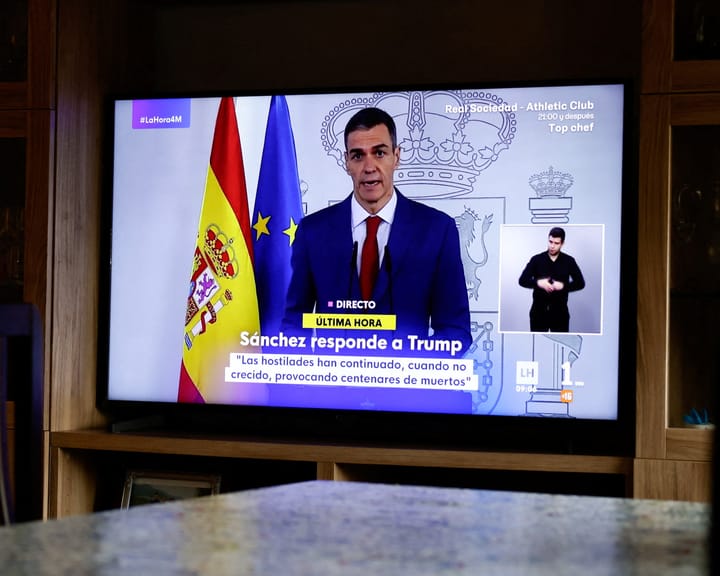
Sánchez reaffirms “No to war” stance after Trump threatens to halt trade with Spain
The Spanish prime minister, Pedro Sánchez, answered Donald Trump’s stark warning to halt all trade with Spain after his government declined to support the United States’ ongoing strikes against Iran, likening the escalating Middle‑East tension to a game of “Russian roulette with the fate of millions”.
Sánchez, a
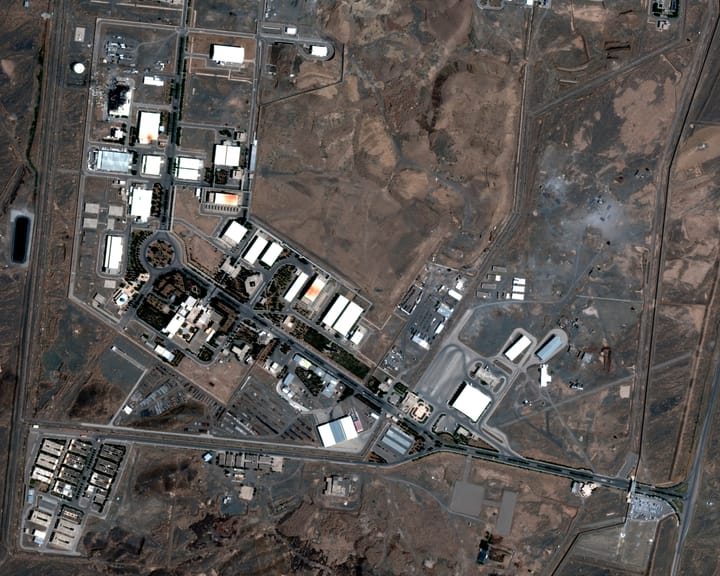
Experts warn that efforts to dismantle Iran’s nuclear program could backfire, nudging the regime toward a bomb.
The U.S.–Israeli offensive against Iran aims to settle a 24‑year dispute over Tehran’s nuclear effort, yet experts on proliferation caution it could backfire and push the regime toward a covert bomb.
Tehran has repeatedly asserted that its nuclear work is peaceful and that it has no
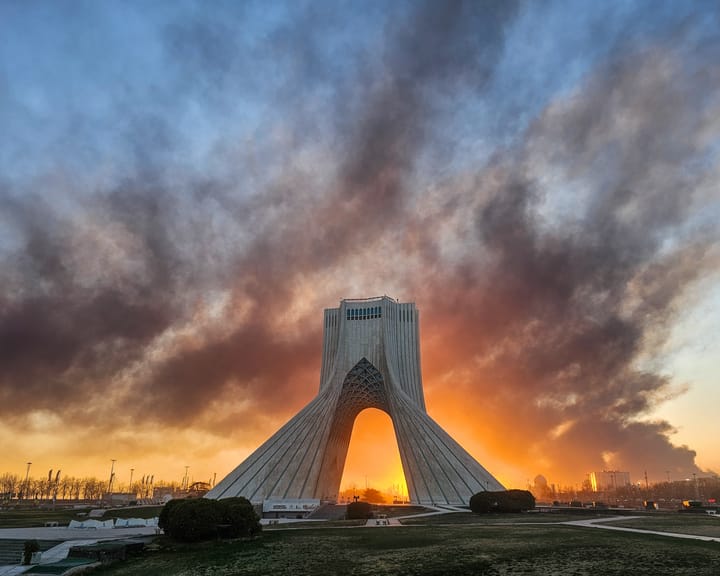
Iran's chaos reveals its struggle to function as war becomes a fight for survival
Iran faced a day of unusual military and diplomatic strain on Tuesday as US airstrikes raised the death count in the country beyond 800 and the headquarters of the Assembly of Experts, the group tasked with choosing a successor to the slain supreme leader Ali Khamenei, were bombed.
It would