
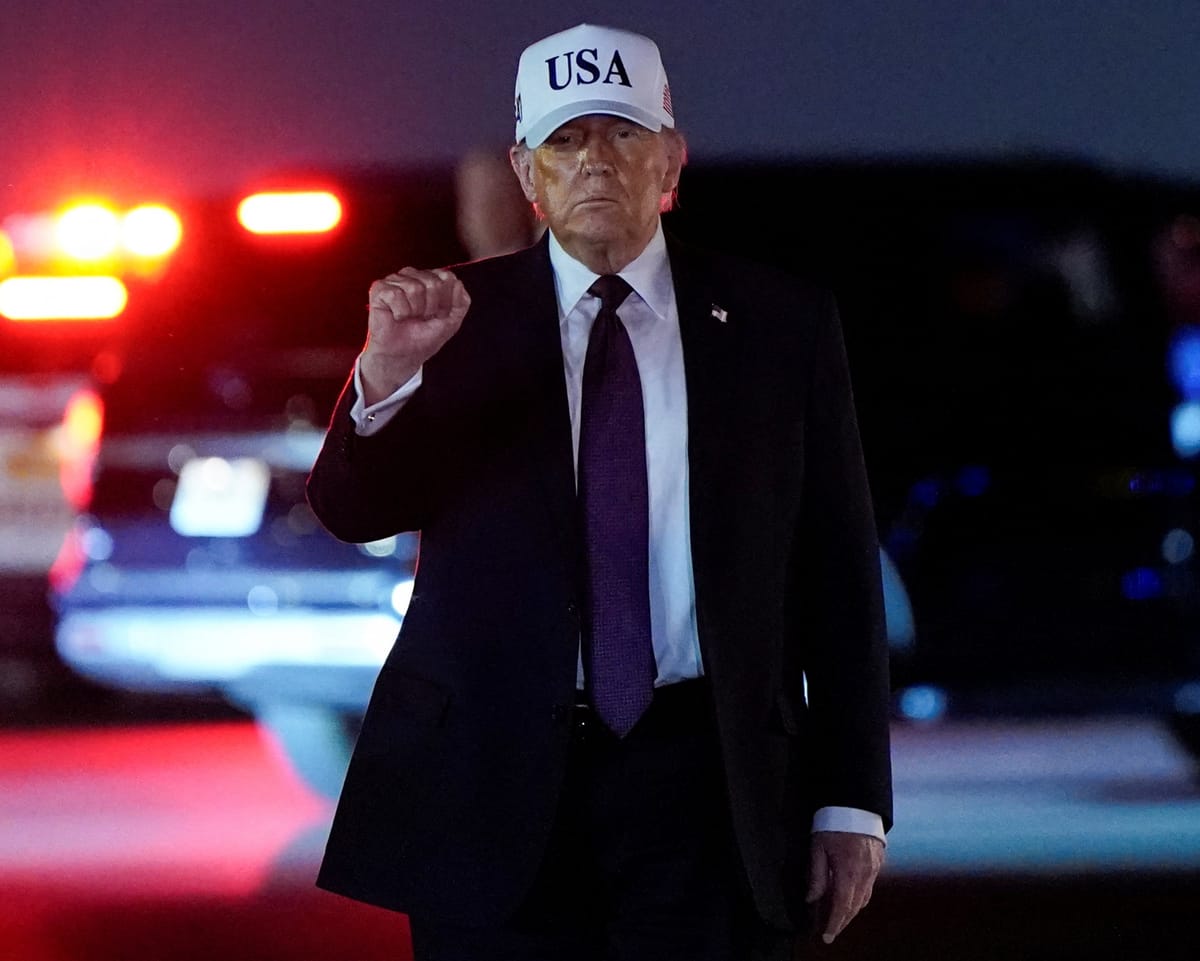
A joint U.S.–Israeli operation that seemed to hide behind nuclear talks. Gulf rulers courting Donald Trump as he prepared a large‑scale Middle Eastern intervention. Europe sidelined and a G7 defence minister caught so unprepared that he was grounded in Dubai as the bombs fell. From Moscow, a sharply worded rebuke of the missile strikes against a fellow member of the anti‑U.S. “axis of upheaval” – and little else.
The war launched by the United States and Israel on Saturday has laid bare the new rules of geopolitics in Trump’s second term, with strained partnerships, unchecked militaries and a Washington that has revived its appetite for regime change.
Even though the administration said it would retreat from the Middle East and Europe to concentrate on the rising threat from China, the White House has now removed a leader in Latin America and started another conflict – one that could easily spread regionally – without a clear plan for a power transition in Iran.
The United States’ closest European partners have been effectively excluded from the decision‑making – unable to sway Trump or even grasp his future designs for Iran, allied leaders have walked a narrow line between condemning and tolerating the attacks.
Keir Starmer, who had warned that the U.S. would not be allowed to use a base at Diego Garcia for the strikes, faced criticism from both the left and the right in Britain for his tepid backing of Trump’s intervention. Emmanuel Macron said France was “neither informed nor involved” in the strikes at all. The EU’s first emergency security meeting is set for Monday – more than 48 hours after the bombing began.
In Dubai, Italy’s defence minister Guido Crosetto was on holiday with his family the morning the U.S.–Israeli strikes hit Iran, killing Ayatollah Ali Khamenei and other senior political and military figures in an unprecedented attack. He had tried to take a one‑day break to join his family there when the missiles struck.
He said he was not caught off guard but that “the attack on Dubai … was not among the scenarios of an Iranian response, in the timing and manner it occurred and materialised … because in the last crisis, more violent than this one, the Emirates were excluded from the reaction and Dubai’s airport stayed open.”
While the United States had previously claimed it was engaged in talks with Tehran, the strikes now appeared to have been inevitable. Senior U.S. officials said they were prompted by the threat of Iran launching its ballistic missiles first. An Israeli defence spokesperson said the campaign had seized an “operational opportunity” – people briefed on the operation said Khamenei had been at one of several meetings that were all targeted – but the plan had been months in the making.
Read next
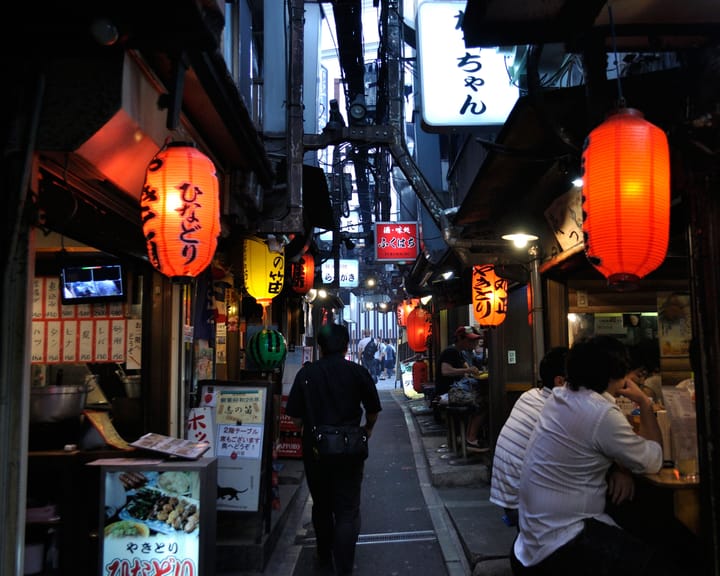
Tokyo tourist hotspot outlaws short-term rentals amid complaint surge
Shinjuku Ward, Tokyo, has moved to ban short-term rental accommodations in residential areas and near schools and important cultural sites, following a slew of complaints about visitor behaviour. The decision, to be enacted through a local ordinance, marks the latest sign that Japan’s patience with mass tourism is
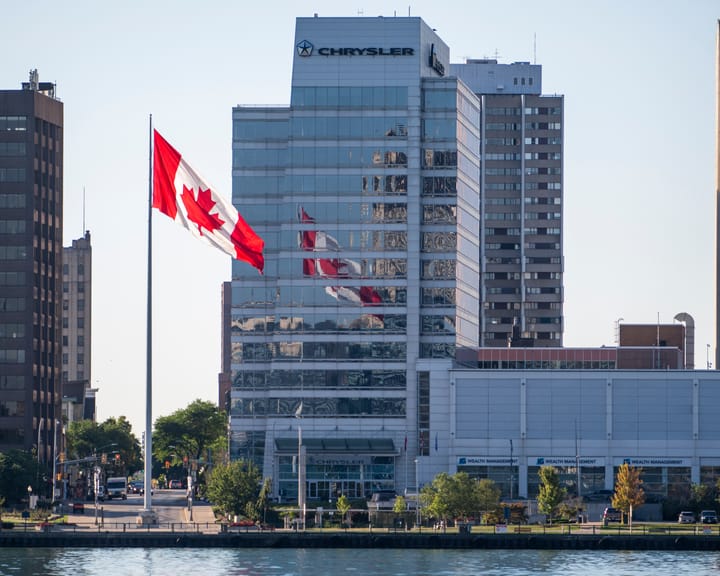
Canada implements retaliatory US tariffs as trade dispute intensifies
Canada’s retaliatory tariffs on about $20 billion worth of American imports took effect at 12.01am on Tuesday, ranging from 15% to 50% and applying to steel, dairy, appliances, agricultural equipment, pulp and paper, and electronics. The measures, a response to the United States’ 50% tariff on $20 billion
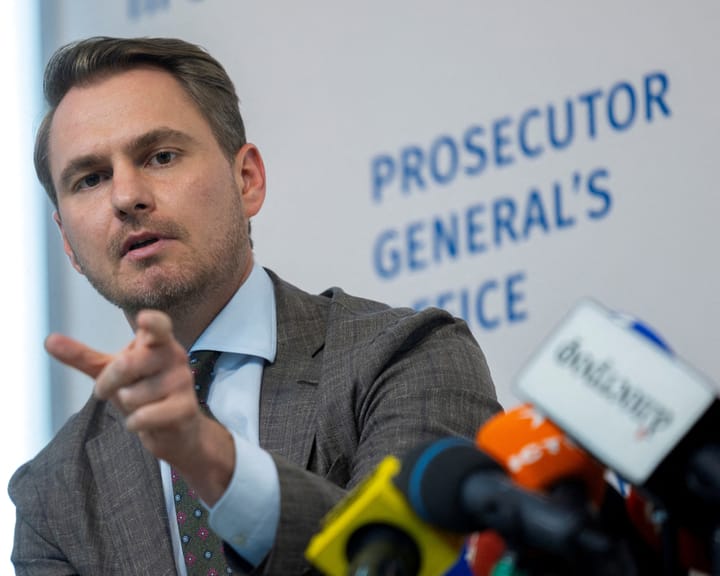
Prosecutor general resigns amid political turmoil in Kyiv during Ukraine war
Ukraine’s prosecutor general Ruslan Kravchenko resigned amid corruption accusations after anti-graft officers searched his offices at the weekend. He called the allegations “completely unsubstantiated” and denied wrongdoing. The National Anti-Corruption Bureau (NABu) and Specialised Anti-Corruption Prosecutor’s Office (Sapo) announced Saturday they uncovered a money-laundering