
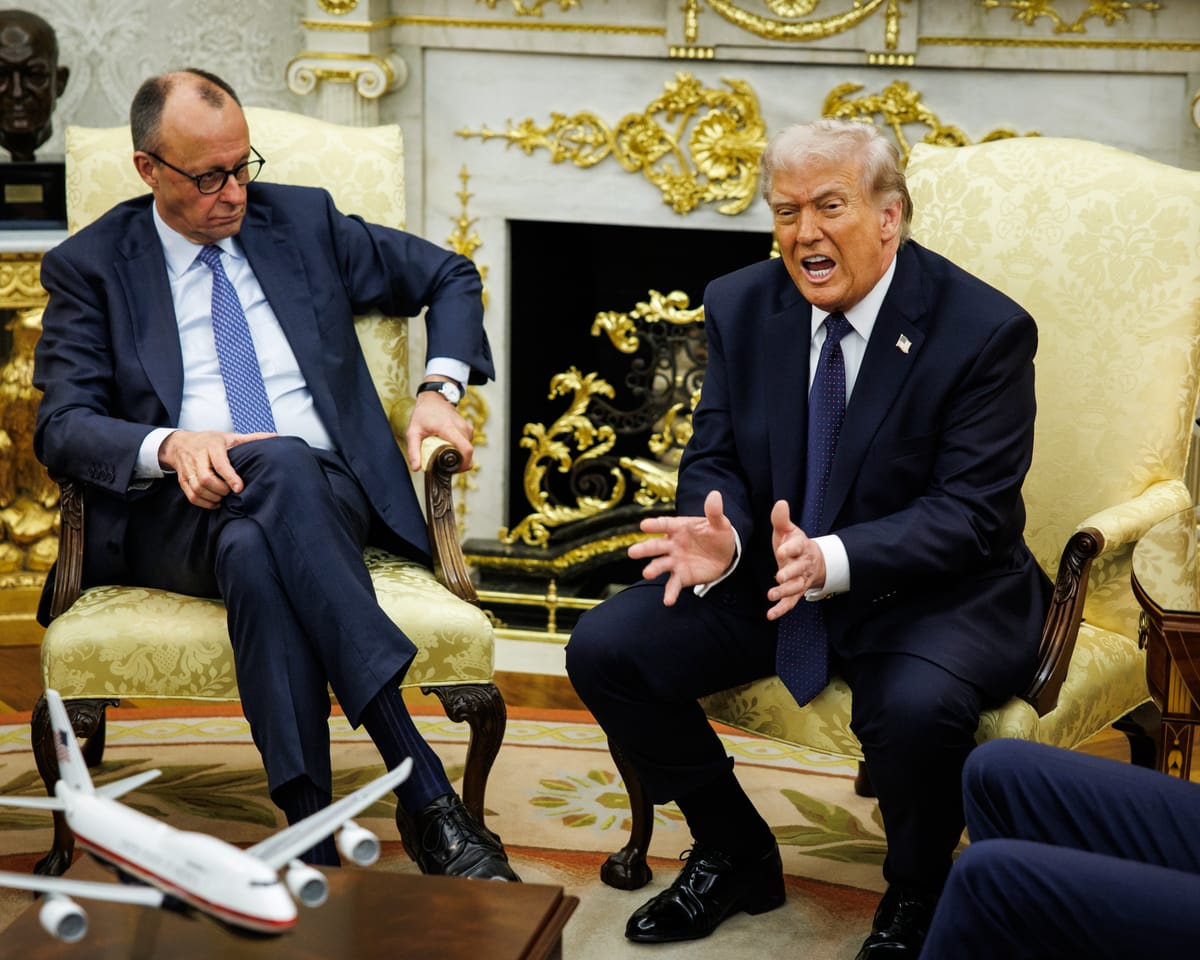
Donald Trump said his greatest concern in the U.S.–Israeli military operation against Iran would be a regime change that installed a leader “as bad as the former one.”
During a press briefing in the Oval Office with visiting German chancellor Friedrich Merz, the president was asked by a reporter about the “worst‑case scenario” of the risky strike that resulted on Saturday in the death of Iran’s supreme leader, Ayatollah Ali Khamenei.
“I’m not sure there’s a worst case,” Trump replied, expressing confidence in the superior U.S.–Israeli force.
“We have them largely defeated militarily. They’re still firing a few missiles,” he said. “They won’t be able to continue because we’re targeting all of their carriers, we’re hitting their missile stockpiles … and we’re taking a lot out.”
Nevertheless, Trump acknowledged that hopes for a less repressive Iranian government could be quickly shattered.
“The worst case would be that we act and then someone takes over who is just as bad as the previous leader, right? That could happen. We don’t want that. It would probably be the worst outcome,” he said.
“You go through this and five years later you realize you installed someone no better. We’d prefer a leader who will improve things for the people.”
Trump, who had urged Iranians to rise up against the regime after the attacks, cautioned that the massive state security apparatus remained in place.
“We’ll see what the people do. They have an opportunity. And we’ve said, don’t act yet,” he said. “If you plan to protest, wait. It’s very dangerous right now.”
He also claimed that Iran was poised to strike first, revising comments made earlier by Secretary of State Marco Rubio that Israel had triggered the conflict.
“I think they were going to attack first, and I didn’t want that to happen. So, if anything, I may have forced Israel’s hand,” he said.
Turning to Europe’s varied responses, Trump warned he would halt all trade with Spain after the NATO ally denied Washington permission to use two jointly operated bases in southern Spain for U.S. strikes on Iran.
“Spain has been terrible,” Trump said, adding that he had instructed Treasury Secretary Scott Bessent to “cut off all dealings” with the European nation.
“We’ll stop all trade with Spain. We don’t want anything to do with them.”
The threat came hours after Spain’s foreign minister downplayed the likelihood of any retaliation.
“The bases used jointly with the United States are Spanish sovereign bases that operate under the treaty with the United States, and within that framework – of our sovereignty and the treaty – they can be used,” José Manuel Albares told reporters.
Read next

Tokyo tourist hotspot outlaws short-term rentals amid complaint surge
Shinjuku Ward, Tokyo, has moved to ban short-term rental accommodations in residential areas and near schools and important cultural sites, following a slew of complaints about visitor behaviour. The decision, to be enacted through a local ordinance, marks the latest sign that Japan’s patience with mass tourism is
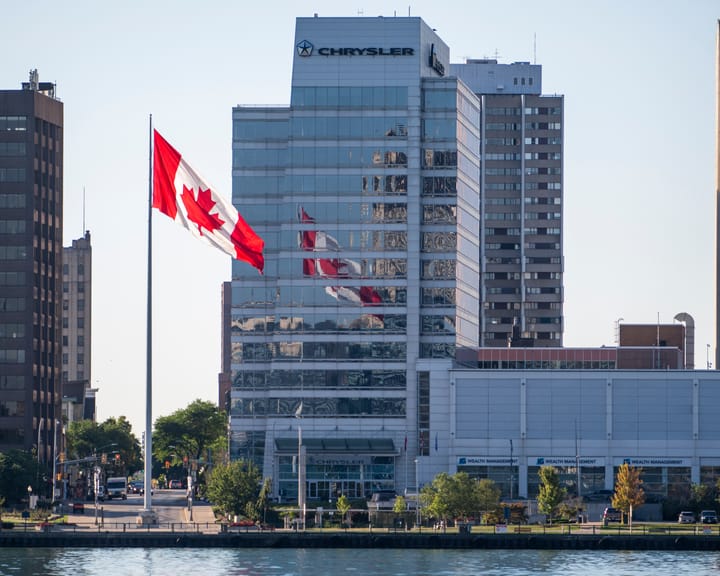
Canada implements retaliatory US tariffs as trade dispute intensifies
Canada’s retaliatory tariffs on about $20 billion worth of American imports took effect at 12.01am on Tuesday, ranging from 15% to 50% and applying to steel, dairy, appliances, agricultural equipment, pulp and paper, and electronics. The measures, a response to the United States’ 50% tariff on $20 billion
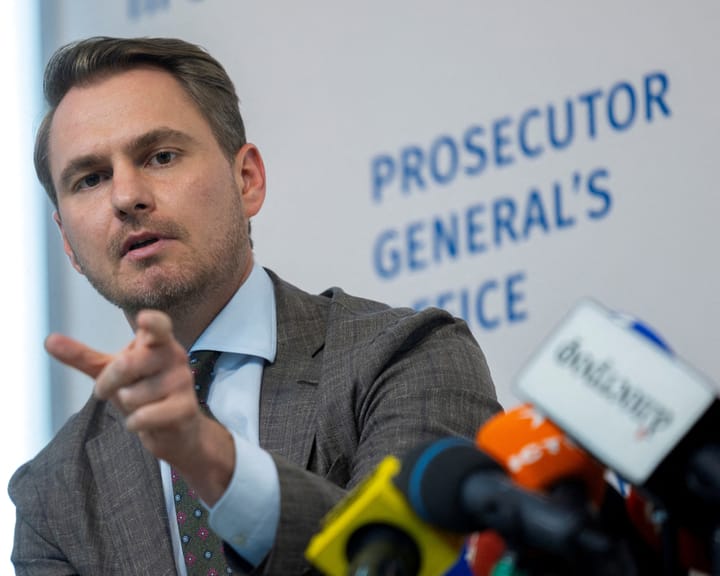
Prosecutor general resigns amid political turmoil in Kyiv during Ukraine war
Ukraine’s prosecutor general Ruslan Kravchenko resigned amid corruption accusations after anti-graft officers searched his offices at the weekend. He called the allegations “completely unsubstantiated” and denied wrongdoing. The National Anti-Corruption Bureau (NABu) and Specialised Anti-Corruption Prosecutor’s Office (Sapo) announced Saturday they uncovered a money-laundering