
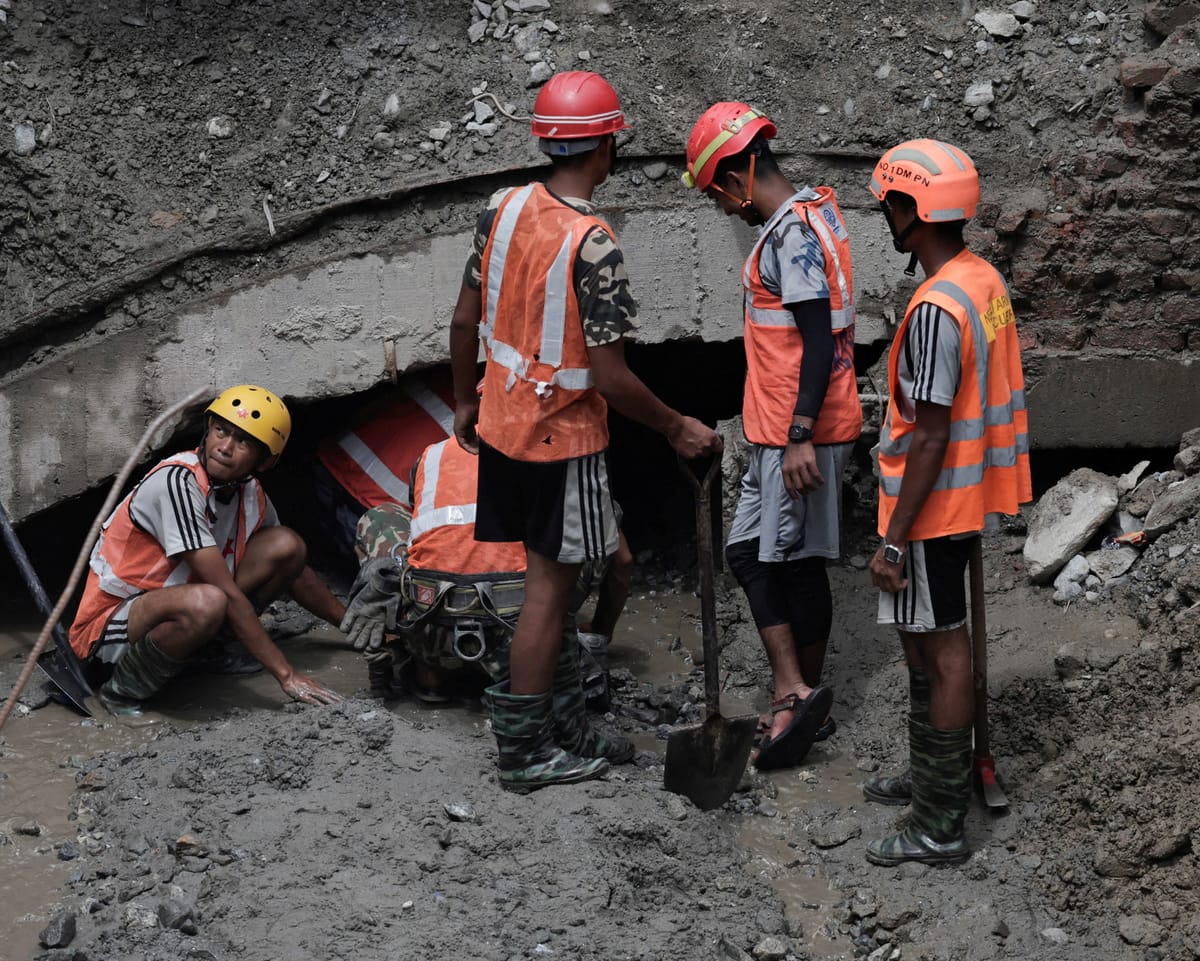
Two individuals have been extracted alive from a hydropower tunnel in Nepal nine days after catastrophic flash floods left them stranded.
The workers were retrieved during a sustained operation at the Trishuli 3A tunnel, a hydropower facility located in one of the regions most severely impacted by last week's devastating Nepal floods, as confirmed by army spokesperson Brig Gen Raja Ram Basnet.
Local television broadcasts displayed footage of the first rescued survivor, covered in mud and carried from the location on a rescuer's shoulder.
Sanjay Shah was the first to be recovered and was transported to the Nepal Army barracks in Trishuli. Following this, another individual, identified as Kabir Maharjan, was also retrieved from the tunnel. They were rescued from a depth of 170 metres inside the structure, Basnet confirmed.
The majority of projects were obliterated when a torrent of water, debris and mud swept down the river valley last week, caused by the collapse of a melting glacier on the border between Nepal and China-controlled Tibet.
Rescue operations have progressively concentrated on the hydropower tunnels, where authorities suspect workers may have survived for over a week owing to air pockets. To date, more than 270 people have been rescued from hydropower projects.
At the Upper Trishuli 3A facility, it required rescue workers nearly six days to locate the tunnels due to the dense sediment. Officials indicated they estimated approximately 30 to 40 people remained alive within the tunnel.
Army and specialist teams have been operating continuously in attempts to clear mud and substantial boulders from the tunnel entrance. In the early hours of Friday morning, hopes increased further when sounds were detected deep within the tunnel.
Approximately 900 workers are unaccounted for from 12 hydropower projects in Nepal, with around 500 believed to be confined in tunnels, according to local authorities.
Read next
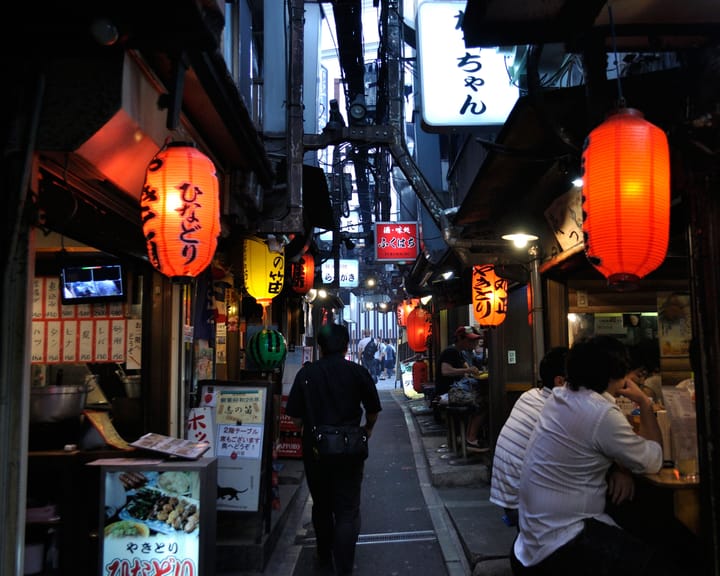
Tokyo tourist hotspot outlaws short-term rentals amid complaint surge
Shinjuku Ward, Tokyo, has moved to ban short-term rental accommodations in residential areas and near schools and important cultural sites, following a slew of complaints about visitor behaviour. The decision, to be enacted through a local ordinance, marks the latest sign that Japan’s patience with mass tourism is
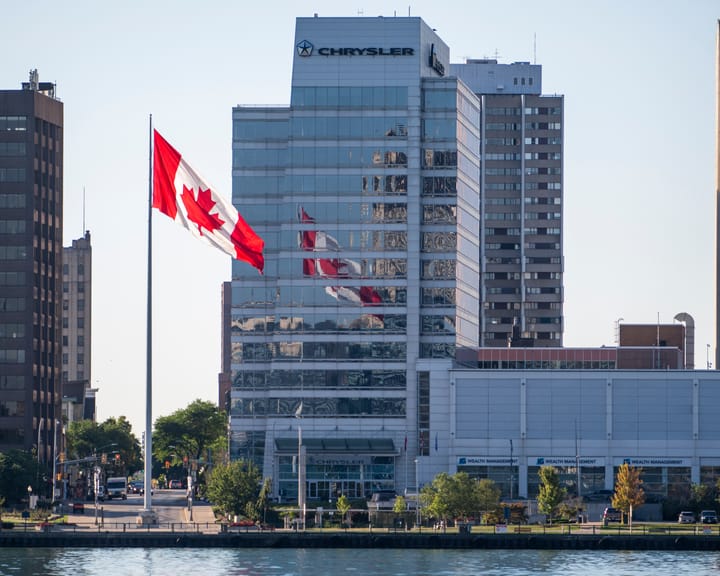
Canada implements retaliatory US tariffs as trade dispute intensifies
Canada’s retaliatory tariffs on about $20 billion worth of American imports took effect at 12.01am on Tuesday, ranging from 15% to 50% and applying to steel, dairy, appliances, agricultural equipment, pulp and paper, and electronics. The measures, a response to the United States’ 50% tariff on $20 billion

Prosecutor general resigns amid political turmoil in Kyiv during Ukraine war
Ukraine’s prosecutor general Ruslan Kravchenko resigned amid corruption accusations after anti-graft officers searched his offices at the weekend. He called the allegations “completely unsubstantiated” and denied wrongdoing. The National Anti-Corruption Bureau (NABu) and Specialised Anti-Corruption Prosecutor’s Office (Sapo) announced Saturday they uncovered a money-laundering