
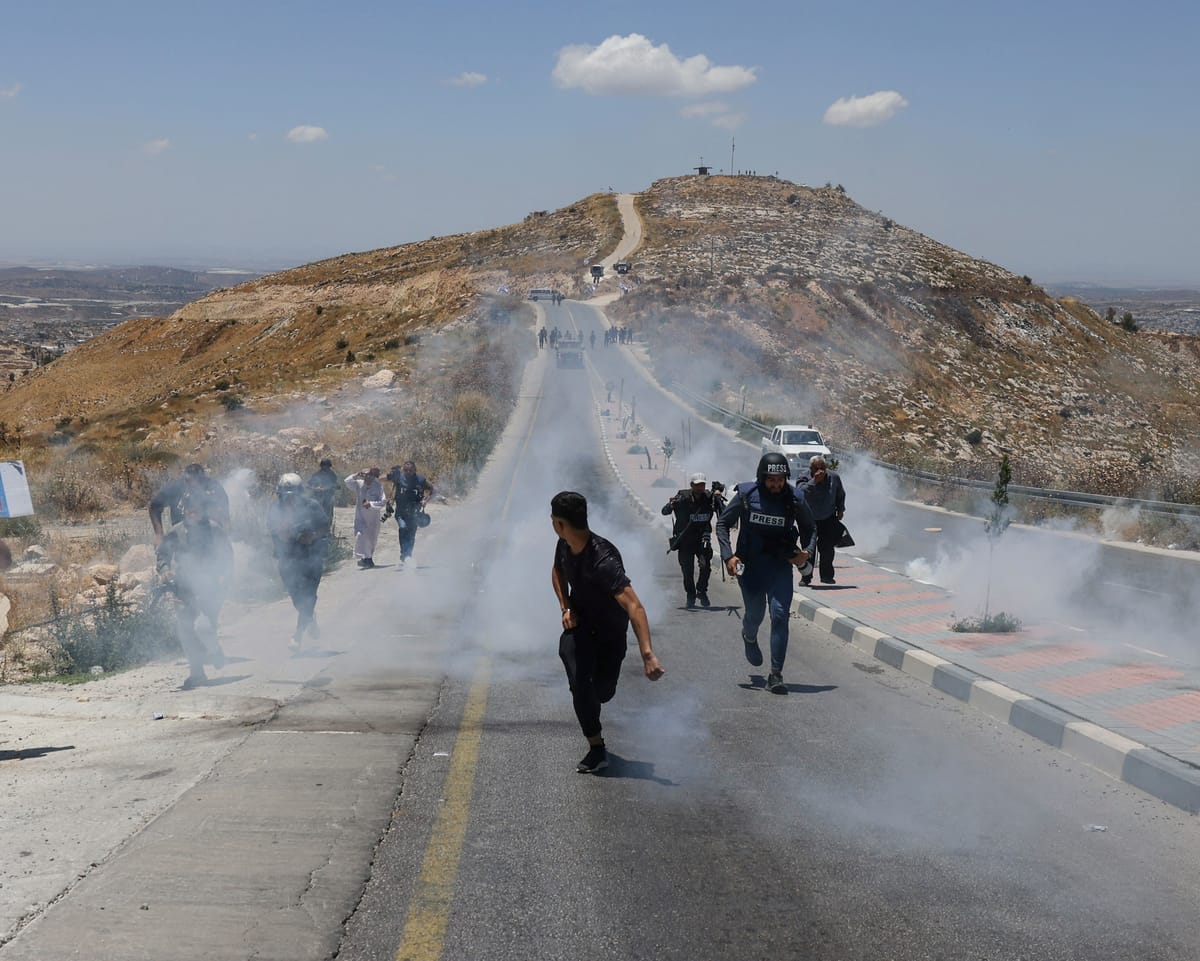
UK Foreign Secretary Ed Miliband has announced sweeping sanctions alongside France and Canada targeting Israeli settlements in the West Bank, marking the strongest condemnation ever issued by the British government.
Miliband declared that the government would now officially acknowledge Israel’s occupation of the West Bank as unlawful in its entirety, stating such recognition was “the least the people who face such suffering deserve” and should prelude justice. The measures include an import ban on goods from illegal settlements, a comprehensive sanctions regime targeting construction and financing services for settlements, a prohibition on advertising illegal settlement properties in the UK, personal sanctions against individuals accused of promoting settler violence, and a new ban on arms licences and other exports that “materially contribute to the occupation.”
Miliband said the action would show that “Britain is not silent in the face of deep injustice nor powerless”. In an emotional statement, he described hearing from Palestinians in the West Bank whose homes had been destroyed and from doctors in Gaza who had seen children dying while waiting for medical treatment. The urgency of the move was heightened by Israel’s plans to expand the E1 settlement project east of Jerusalem, which could effectively cut off the north from the south of the West Bank, threatening the viability of any future Palestinian state.
Those who finance or facilitate illegal settlements will “face the full force of UK sanctions”, with legislation to enforce the trade ban and sanctions expected within nine months. Miliband stopped short of characterising Israel’s actions in Gaza as genocide, saying the UK would wait for international court determinations.
Speaking in the Commons, Miliband said: “The British government agrees that there is ethnic cleansing of Palestinians in areas of the West Bank, perpetrated by settler terrorists.” He added that all too often the Israeli government had turned a blind eye, and members had made statements and taken actions supporting the forced displacement of Palestinians. “I recognise the gravity of saying this, but the truth is the least the people who face such suffering deserve, and it should be the prelude to justice.”
The government had previously described settlements as illegal but had not described the occupation itself as unlawful – a position that will now change. France and Canada joined the Netherlands, Ireland, Belgium, Spain and Norway in announcing bans on settlement goods. Miliband, who described himself as a “proud British Jew” with relatives who found safety in Israel after the Holocaust, said: “I am proud of my Jewishness and unwavering in my support for the state of Israel. And there is absolutely no contradiction between this and my support for the state of Palestine. Indeed, quite the opposite. The two-state solution is based on an explicit belief that the only route to security for both peoples is to live side by side in peaceful coexistence with freedom, security and self-determination.”
To address threats against Jews worldwide, the UK will impose sanctions on Lebanese Hezbollah’s financing arm, Al-Qard al-Hassan, and reimpose major economic sanctions on Iran in line with the EU and US. Miliband expressed a “deep sense of shame about what has unfolded in Palestine under the eyes of the international community”, calling the last three years’ trauma, destruction and dehumanisation “on an appalling scale”.
The foreign secretary said the action marked a new approach towards Israel and Palestine – one that not only condemns but takes action. “Our argument is not with the people of Israel, with whom the UK has unshakeable bonds. Our argument is with the conduct of its government.”
Miliband noted that Israeli government actions in the West Bank had resulted in more settlements approved in the last four years than the last 20 combined. He believed the majority of the British people would support the trade ban, stating: “Settlements are illegal. They should not be promoted in our country.”
On arms sales, the UK had already suspended more than 30 arms licences used by the IDF in Gaza, but will now refuse all licence applications for arms and other exports that materially contribute to the occupation, effectively maintaining a ban as long as the occupation persists.
Miliband said the UK would support “full, robust and fair judicial processes” to determine if Israel had committed genocide, affirming the government would not pre-judge the process, consistent with its approach to past genocides such as Rwanda, Srebrenica, Cambodia and acts against the Yazidi people. He also welcomed the bringing of the issue before the International Court of Justice. However, he noted that recent international reports found “increasing evidence that war crimes appear to have been committed”, and the UK supports legal processes to determine this.
The UK will use the UN General Assembly next week to “shine the clearest and harshest spotlight on what is happening and what must change”. Miliband acknowledged the steps fall short of full demands by Palestinian advocacy groups, but said they signal the UK moving beyond traditional rhetorical support for a two-state solution towards active steps to forestall expansion of illegal settlements.
Prime Minister Andy Burnham spoke with Donald Trump and Gulf allies including Qatar on Monday to brief them on the government’s plans. Both the US and Israel have threatened retaliation against Britain. Israel’s president Isaac Herzog called the sanctions “a gross interference in the democratic elections of a sovereign nation” ahead of October elections, while foreign minister Gideon Saar warned Israel would act against Britain if it acted against it, and finance minister Bezalel Smotrich called for the expulsion of the British ambassador.
Read next
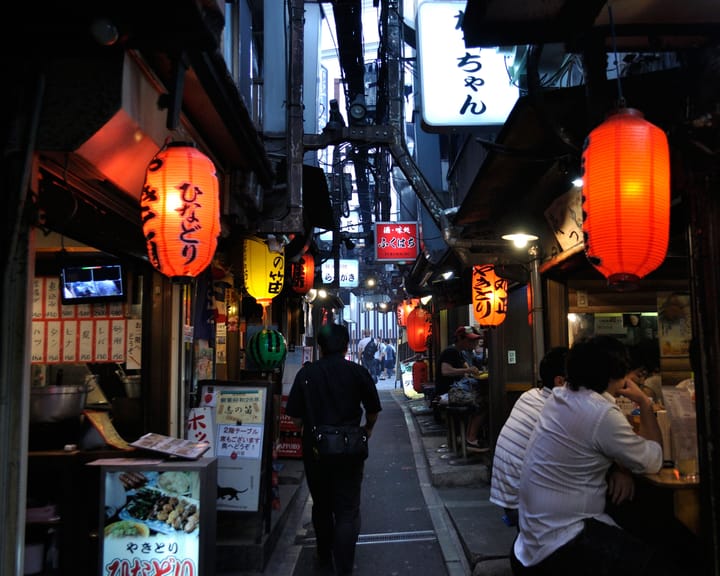
Tokyo tourist hotspot outlaws short-term rentals amid complaint surge
Shinjuku Ward, Tokyo, has moved to ban short-term rental accommodations in residential areas and near schools and important cultural sites, following a slew of complaints about visitor behaviour. The decision, to be enacted through a local ordinance, marks the latest sign that Japan’s patience with mass tourism is
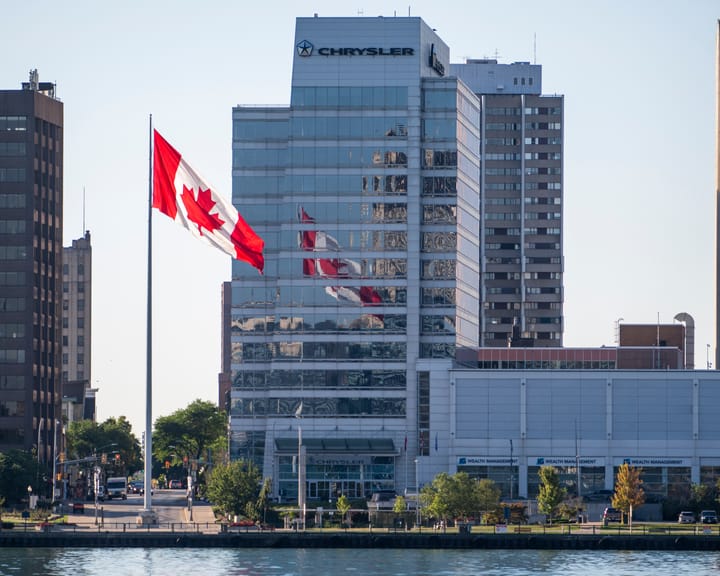
Canada implements retaliatory US tariffs as trade dispute intensifies
Canada’s retaliatory tariffs on about $20 billion worth of American imports took effect at 12.01am on Tuesday, ranging from 15% to 50% and applying to steel, dairy, appliances, agricultural equipment, pulp and paper, and electronics. The measures, a response to the United States’ 50% tariff on $20 billion
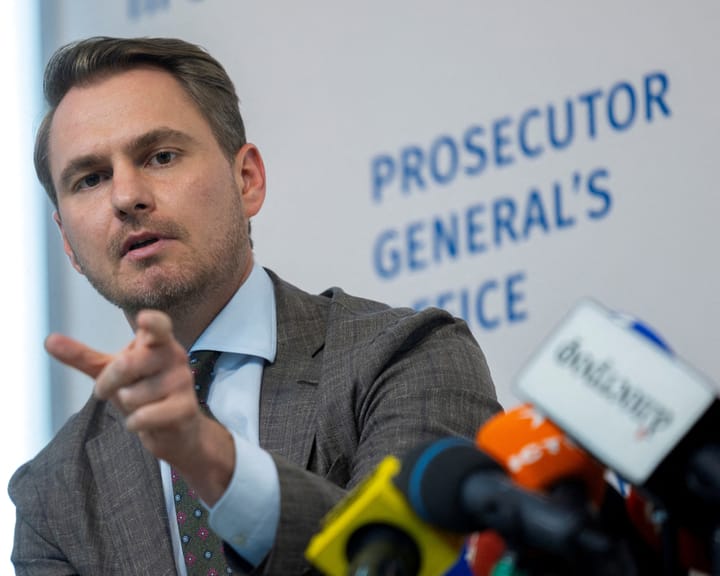
Prosecutor general resigns amid political turmoil in Kyiv during Ukraine war
Ukraine’s prosecutor general Ruslan Kravchenko resigned amid corruption accusations after anti-graft officers searched his offices at the weekend. He called the allegations “completely unsubstantiated” and denied wrongdoing. The National Anti-Corruption Bureau (NABu) and Specialised Anti-Corruption Prosecutor’s Office (Sapo) announced Saturday they uncovered a money-laundering