
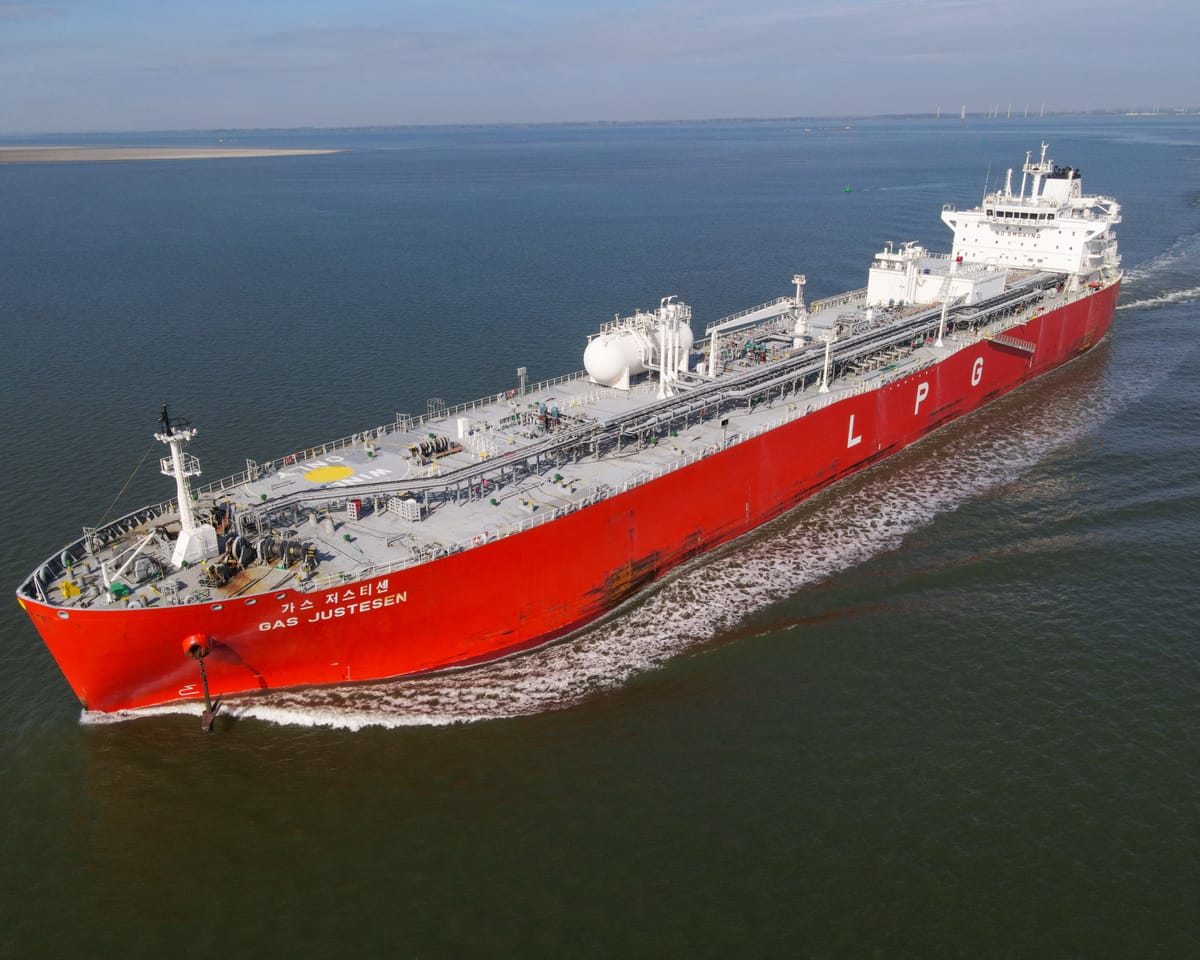
Britain now holds just two days’ worth of fossil gas after reserves fell, while an increasing number of LNG carriers are being rerouted from Europe to Asia amid the conflict with Iran.
On Saturday, Britain’s gas stores contained 6,999 gigawatt‑hours (GWh), National Gas – the operator of the national transmission network – reported, down from 9,105 GWh a year before.
With a maximum capacity of 12 days, the present level represents less than two days, prompting worries that the country could exhaust its supply should the Middle‑East crisis intensify.
National Gas notes that despite low storage, Britain still receives substantial gas imports from other origins.
“The current storage figures match the typical range for this stage of the season and are similar to levels a year ago,” a National Gas spokesperson said. “Storage represents only a modest share of the nation’s overall gas portfolio. The bulk of supply originates from the UK continental shelf and Norway, with additional input from LNG, interconnectors to continental Europe and stored gas.
“Britain draws on a broad array of sources each day, giving the system the flexibility required to match supply with demand throughout the year.”
“The claim that the UK possesses merely two days of gas is inaccurate,” a Department for Energy Security and Net Zero spokesperson said. “Our energy mix is varied and we are confident about supply security.
“Gas will remain an important component of a resilient energy system as we move toward cleaner, domestically produced power. We are collaborating with industry to keep the gas network robust, even in extreme circumstances.”
Ship‑tracking data from Bloomberg show that at least two tankers have been rerouted across the Atlantic from Europe to Asia since Friday, following three comparable diversions the previous week.
Gas prices have risen sharply since the United States and Israel launched extensive airstrikes on Iran about a week ago. Iran effectively shut the Strait of Hormuz, a route used for roughly one‑fifth of worldwide seaborne gas cargoes. Qatar suspended output at the planet’s largest LNG facility after a drone strike last week.
Asian LNG prices, which absorb a large share of Qatar’s exports, jumped last week. In the UK, month‑ahead gas contracts climbed to 137 pence per therm, compared with 78.5 pence before the Iran conflict started.
Since 21 February, gas injections into Britain’s storage have increased as milder weather reduced demand, a normal seasonal pattern. Storage volumes vary throughout the year and are dictated by market forces rather than government directives.
Read next

UK job market stalls as firms stay cautious on hiring
Data indicate that the UK labour market is struggling under weak recruitment demand, with only modest indications of improvement.
Two reports issued on Monday note that firms stay wary of taking on new employees because of cost pressures and economic uncertainty, underscoring the market’s continued fragility.
The monthly employment
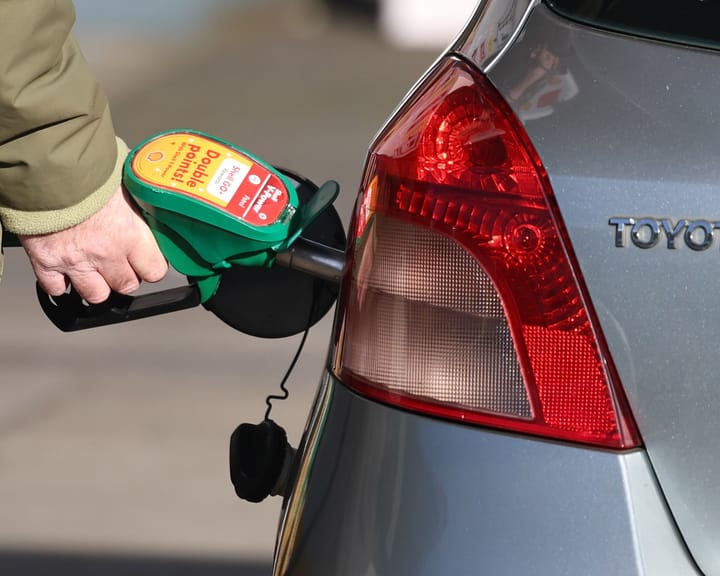
UK must brace for a price shock from the Iran war, says Heather Stewart
Donald Trump’s strike on Iran and the lethal war it has sparked is stark and without precedent – yet its economic fallout follows a familiar pattern: another surge in prices is imminent.
From the pandemic‑induced shutdown and later reopening to Russian forces advancing into Ukraine, the world economy has
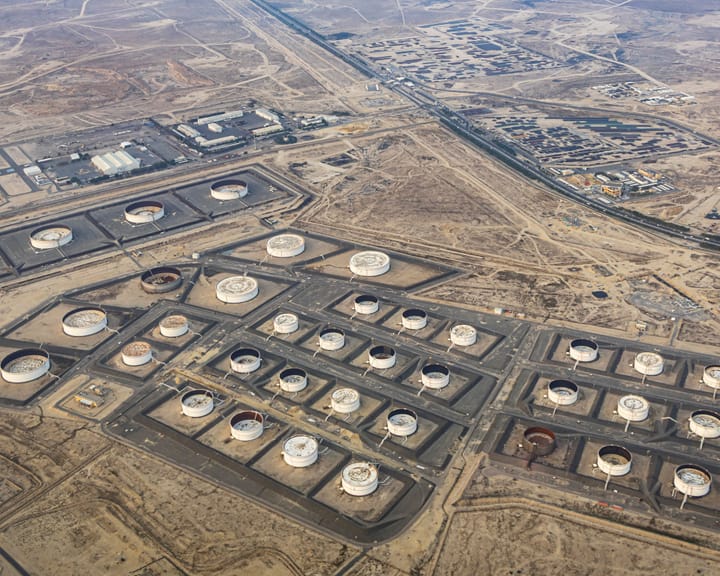
Oil climbs past $100 per barrel as Iran conflict pushes prices to highest level since 2022
Global petroleum prices broke the $100 (£74, AU$142) per barrel barrier for the first time since 2022 as rising military hostilities in the Middle East keep removing about 20 million barrels from supply daily.
Brent crude, the worldwide reference grade, leapt 16.6 % to $108.10 a barrel as