
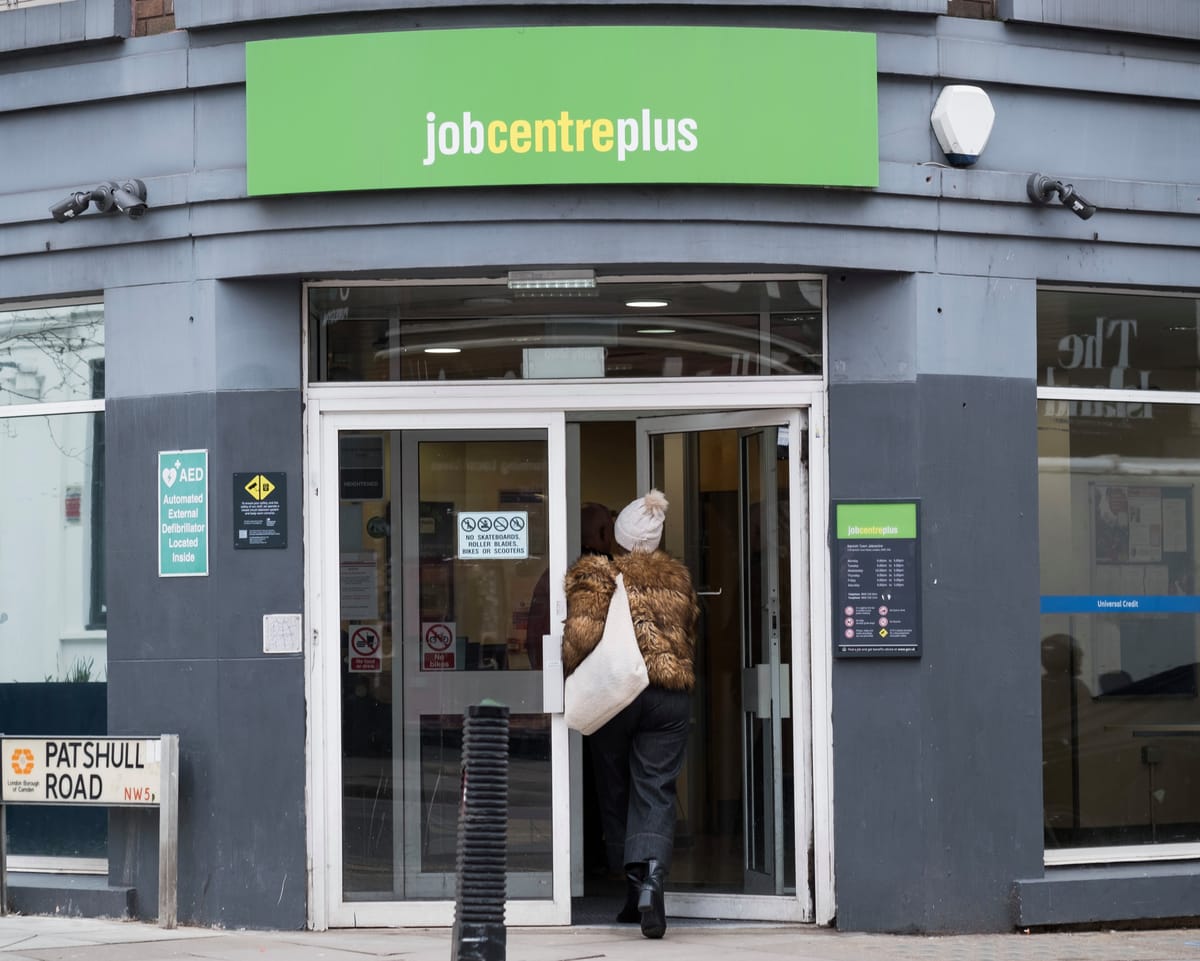
Data indicate that the UK labour market is struggling under weak recruitment demand, with only modest indications of improvement.
Two reports issued on Monday note that firms stay wary of taking on new employees because of cost pressures and economic uncertainty, underscoring the market’s continued fragility.
The monthly employment index compiled by BDO, an accounting and consulting firm, has fallen to its lowest point in almost fifteen years, matching its poorest reading since March 2011, when the labour market was still rebounding from the financial crisis.
The index – tracking hiring intentions, staff numbers and labour demand – recorded 93.30 in February, unchanged from January, extending a series of multi‑year lows. Values above 95 signal expansion, while those below indicate contraction.
The report observed that although the rate of decline in the employment index has steadied since the year began, there are few indications of a substantive recovery in the short term.
The findings correspond with government data indicating that UK unemployment climbed to a five‑year peak of 5.2 % in the fourth quarter of 2025, with youth unemployment approaching an eleven‑year high. The Office for Budget Responsibility recently projected unemployment to reach 5.3 % this year, higher than its November forecast of 4.9 %. It attributed the increase to firms reducing recruitment rather than dismissing workers, a trend that has hit new entrants to the labour market hardest.
BDO additionally noted that its business output index – gauging activity across the principal sectors of the British economy – reached its highest level in a year, climbing to 98.80 in February from 97.67 the month before, largely due to a stronger services sector. This marked the third month in a row of improvement.
Nevertheless, Scott Knight, BDO’s head of growth, warned that global disruptions keep the economy under pressure. He added that although momentum is emerging in some areas, genuine growth cannot be achieved without focused measures to address the struggling labour market.
A separate study by KPMG and the Recruitment and Employment Confederation (REC) found that demand for both permanent and temporary staff continued to decline in February, albeit with modest signs of stabilization.
The analysis showed that permanent hires were still decreasing, though the drop was the smallest since March 2023. While some recruiters described hiring conditions as generally muted, others observed a slight uptick in employers’ readiness to recruit.
Jon Holt, chief executive of KPMG UK, said firms are once more confronting unexpected economic shocks stemming from global events beyond their control, citing the Middle East crisis. He added that resilience has become the new norm, and that the nascent signs of recovery could stall again in the short term as executives reassess their positions.
Read next

UK holds just two days of gas reserves as Iran conflict risks supply disruptions
Britain now holds just two days’ worth of fossil gas after reserves fell, while an increasing number of LNG carriers are being rerouted from Europe to Asia amid the conflict with Iran.
On Saturday, Britain’s gas stores contained 6,999 gigawatt‑hours (GWh), National Gas – the operator of the

UK must brace for a price shock from the Iran war, says Heather Stewart
Donald Trump’s strike on Iran and the lethal war it has sparked is stark and without precedent – yet its economic fallout follows a familiar pattern: another surge in prices is imminent.
From the pandemic‑induced shutdown and later reopening to Russian forces advancing into Ukraine, the world economy has
Oil climbs past $100 per barrel as Iran conflict pushes prices to highest level since 2022
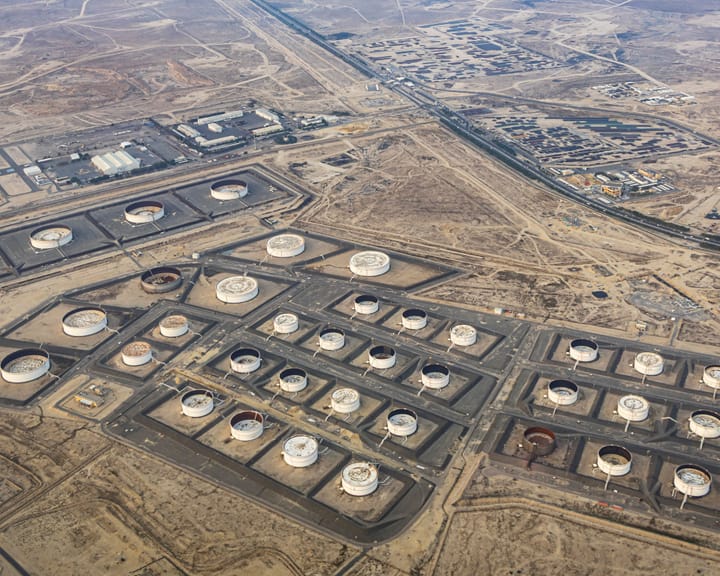
Global petroleum prices broke the $100 (£74, AU$142) per barrel barrier for the first time since 2022 as rising military hostilities in the Middle East keep removing about 20 million barrels from supply daily.
Brent crude, the worldwide reference grade, leapt 16.6 % to $108.10 a barrel as