
Extreme Weather Causes Significant Wheat Shortage in the UK, Study Shows
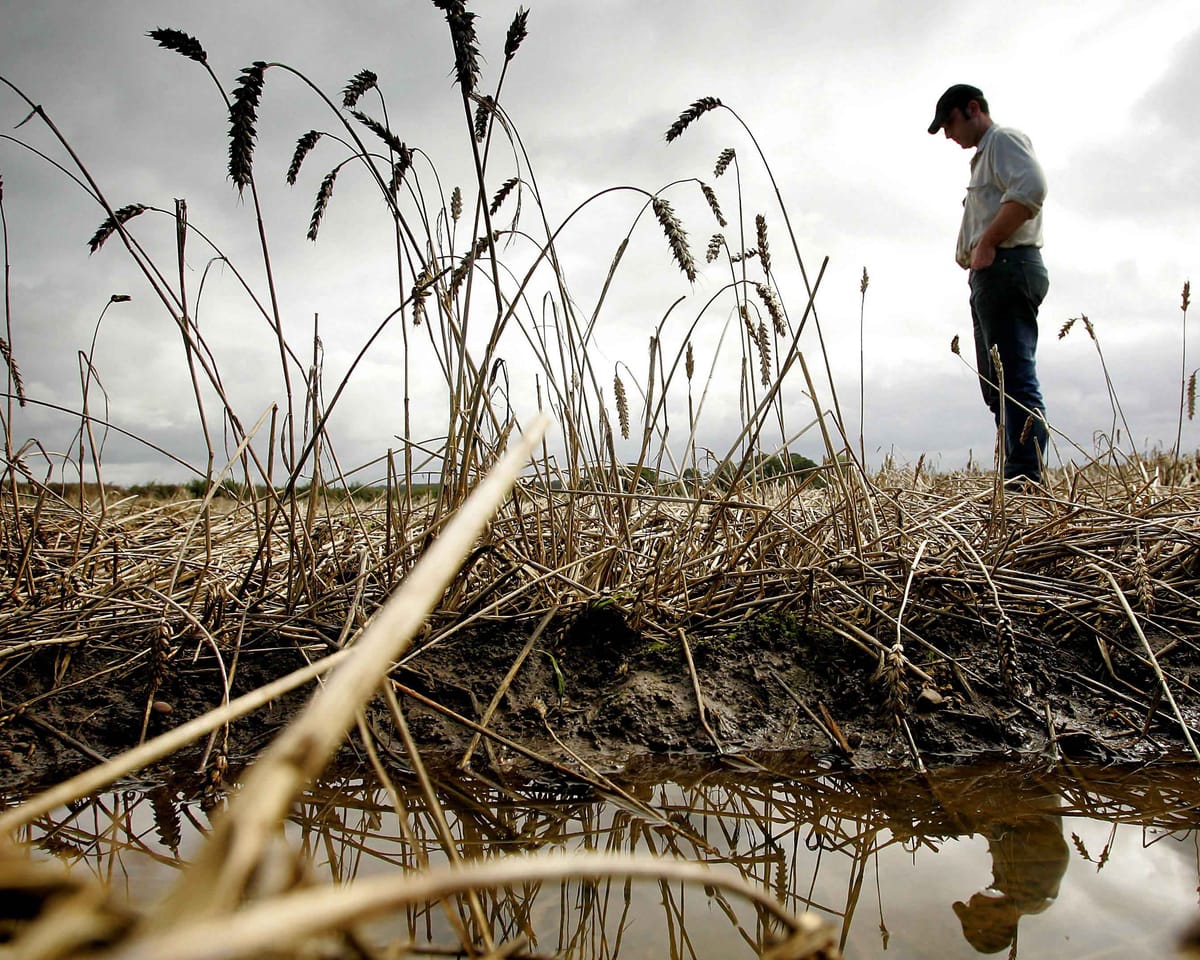
Since 2020, extreme weather conditions have led to a significant loss in wheat harvests across the UK, according to a recent analysis. Droughts and floods, intensified by climate change, have resulted in a decline of over 7 million tonnes of wheat production—equivalent to more than 4 billion loaves of bread, or roughly a year’s supply.
Forecasts suggest 2025 will be another difficult year for harvests due to persistent drought. Farmers faced record-breaking heat, dry conditions, and restrictions on water use, leaving many struggling to cultivate crops.
Two of the three poorest harvests recorded in the UK have occurred in the past decade, with 2020 being the worst and 2024 the third worst. Experts warn that such conditions will likely worsen as climate change leads to prolonged dry spells interspersed with intense rainfall, increasing flood risks.
The unpredictability of weather patterns is creating instability for the agricultural sector. While wine producers anticipate an exceptional year in 2025 due to high numbers of sunny days, apple growers have reported unusually high yields.
Tom Lancaster, a land and food analyst, stated: “Farmers are already dealing with some of the most challenging harvests on record, with extreme conditions disrupting planting and crop management. This year, crops suffered through one of the hottest and driest growing seasons ever documented.”
He added: “Climate change is transforming agriculture. Declining domestic wheat production means more reliance on imports, costing farmers significant income and reducing the UK’s self-sufficiency in a vital crop. While adaptation measures are essential, cutting emissions to net zero remains the only way to curb increasing weather-related losses.”
The wheat shortage has also affected global supply chains, as other countries face production declines due to conflicts and adverse weather. UK millers have imported record amounts of wheat to meet demand for flour used in bread and baked goods. Last autumn, wheat imports were double the five-year average, and the UK’s self-sufficiency fell from 96% in 2023 to 79% in 2024.
Colin Chappell, a farmer from Lincolnshire, said: “Farming has never been harder. While I’m accustomed to weathering challenges, recent years have been relentless—months of rain followed by extended droughts, leaving me with two consecutive poor harvests.”
He expressed concern over the lack of available support: “Adapting to these extremes is critical, but with current assistance programs closed, accessing the help needed is difficult. Reopening these must be a priority to ensure farmers can continue producing wheat sustainably.”
Read next
Nobel Peace Prize Awarded to Navanethem ‘Navi’ Pillay
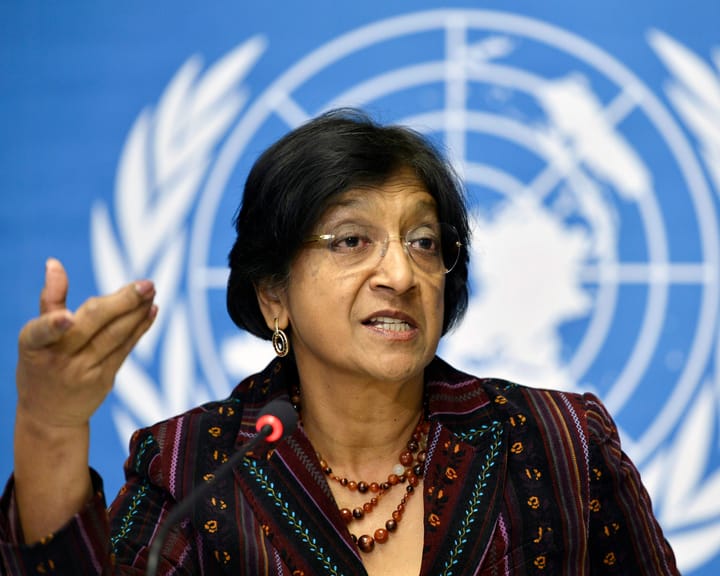
Former UN human rights chief Navanethem "Navi" Pillay, an international court of justice judge, has been awarded the Nobel Peace Prize. Born in South Africa, 85-year-old Pillay is honored for her contributions to promoting peace and international law, as stated by Jørgen Watne Frydnes, chair of

Russian Pro-Kremlin Military Blogger Mikhail Zvinchuk Detained in Montenegro
A prominent Russian military blogger with alleged connections to Russian intelligence services was arrested in Montenegro amid concerns about attempts to destabilize the country, officials have reported. Mikhail Zvinchuk, founder of the influential Rybar war blog, was detained alongside his wife and three other Russians in the Adriatic town of

"EU's Inaction Amidst Rising Criticism of Israel: A Tale of Self-Imposed Irrelevance"
EU Stalemate on Israeli Policy Amid Rising Criticism
When the UK government announced strict sanctions on trade with illegal Israeli settlements and condemned actions in the West Bank as "ethnic cleansing" by state-backed "settler terrorists," some EU diplomats hoped for a broader shift in European