
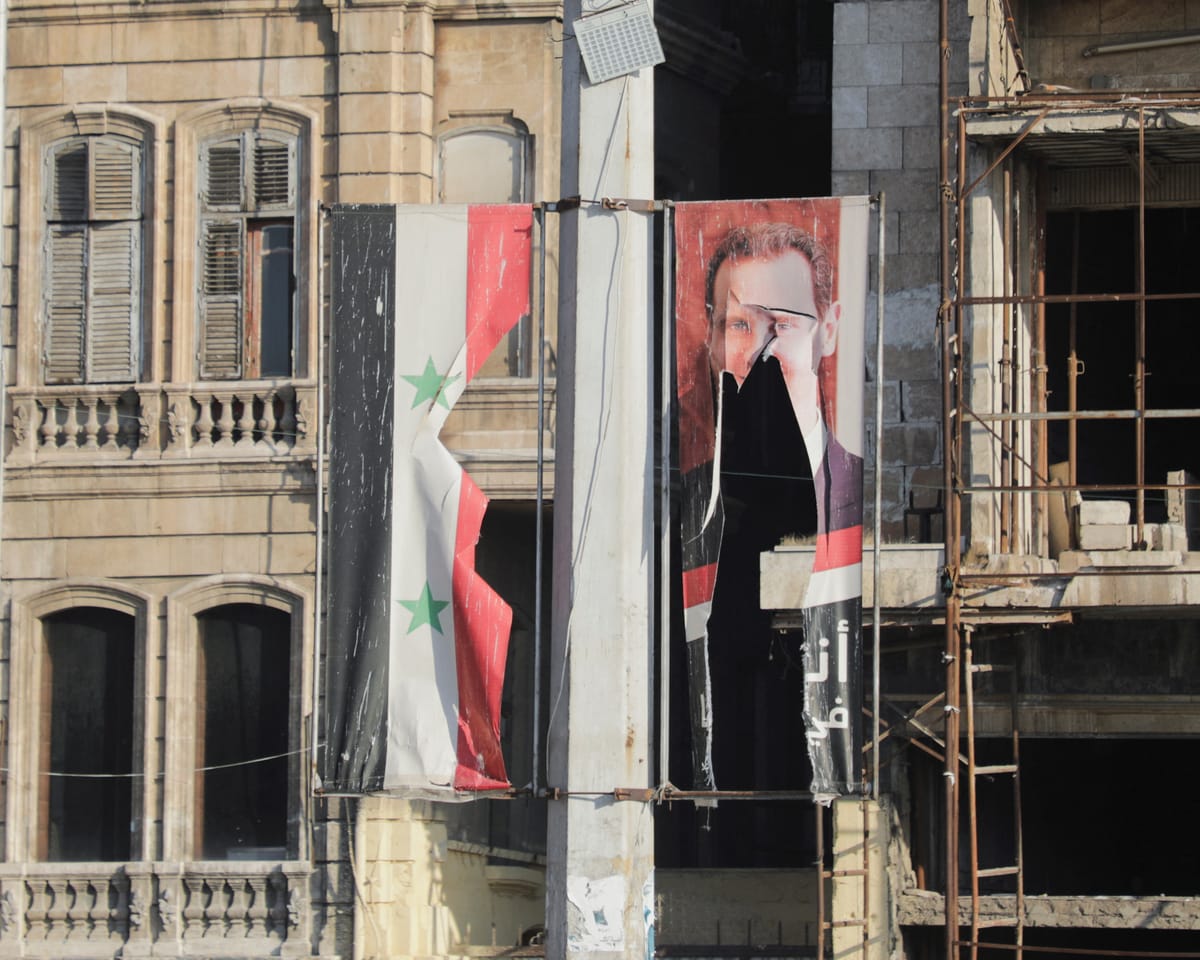
A nearly complete nuclear reactor constructed covertly during the tenure of the ousted Syrian leader Bashar al-Assad would have had the capacity to produce fissile material potentially usable in nuclear weapons, the head of the UN nuclear watchdog disclosed.
Inspectors from the International Atomic Energy Agency (IAEA) visited two locations last month, one in Deir ez-Zor and another at an undisclosed site identified by Syrian authorities.
IAEA Director General Rafael Grossi stated on Monday that it was "obvious that the previous government was pursuing a number of clandestine" activities.
"They didn't want the world to know what they were doing," he told reporters following the opening of the Vienna-based agency's quarterly board of governors meeting.
"Given the configuration, the technical features of that type of reactor, this is a reactor that is very efficient in the production of fissile material that could be used directly for the fabrication of nuclear weapons," he said, describing the construction as a "very important step."
Syria is believed to have maintained a substantial undeclared nuclear programme under Assad, including a reactor built by North Korea in Deir ez-Zor province.
Following Assad's removal in December 2024, the new government permitted IAEA inspectors access to suspected former nuclear sites.
During an August visit, IAEA inspectors confirmed that "the cooling infrastructure which has now been uncovered is consistent with that of a nuclear reactor." Grossi and a team of senior inspectors also visited a previously undeclared location.
In 2018, Israel acknowledged conducting a covert air raid on the site 11 years earlier.
In 2008, shortly after the strike, US officials alleged that Syria had attempted to build a secret nuclear reactor and confirmed that Israel had destroyed it.
Syria notified the agency of the site's existence in a 17 July letter and invited the IAEA "to cooperate with the Syrian authorities in the inspection and verification of the site and of any nuclear material to be potentially found."
The IAEA's confidential report, circulated to member states last Tuesday and obtained by the Associated Press, indicated that the new site contained "natural uranium metal in the form of fuel rods with cladding." The agency verified the material and confirmed "the presence of around 73 tonnes of natural uranium metal."
Grossi noted that inspectors had to "tear down walls" and navigate "very difficult and narrow passages" to access the hidden nuclear material. Boxes were scattered throughout the site, he said.
Grossi emphasised that "the important thing is that this material now is under safeguards" of the IAEA, noting that inspectors had installed cameras at the location.
When asked whether the material would remain in Syria or be relocated, Grossi said the decision rested with the Syrian government, adding: "We are not requesting them to do this or to do that. For us what's important is that we know all the time where this [material] is until the last gram."
Logan Mintz, director for nuclear materials security at the Nuclear Threat Initiative, explained that natural uranium metal cannot be used directly in a nuclear weapon but could be "diverted to a covert weapons programme that further processes it into plutonium for a nuclear weapon."
She stated that once deemed safe to transport, the material could be shipped in certified containers to a third country capable of "safely and securely disposition it into a more chemically stable and more widely used form" for potential use in nuclear power plants.
"As with any transport of nuclear material, this movement would require robust security from theft or sabotage," she said.
Read next
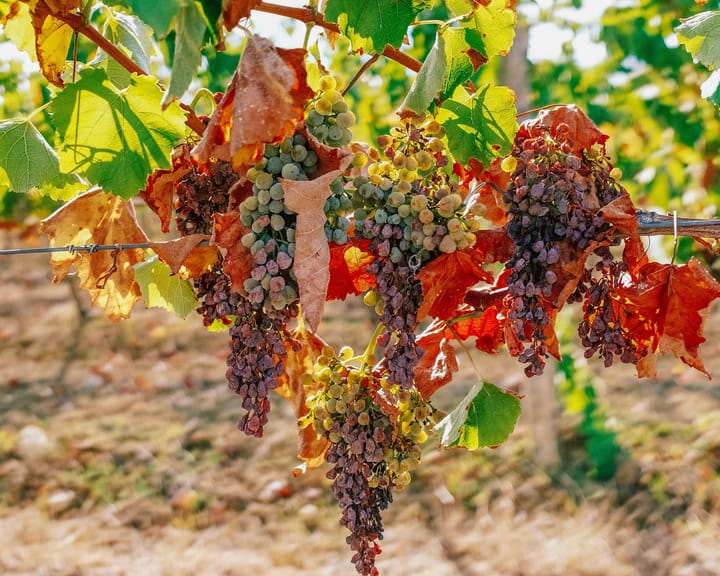
French Wine Harvest Set to Hit 30-Year Low Amid Severe Drought and Heat
French vineyards hit by severe drought and heatwaves are expected to report a 30-year low in wine production after the country's hottest ever recorded summer, according to the agriculture ministry.
Initial estimates suggest winemakers will produce just under 34m hectolitres from this year's harvest: a
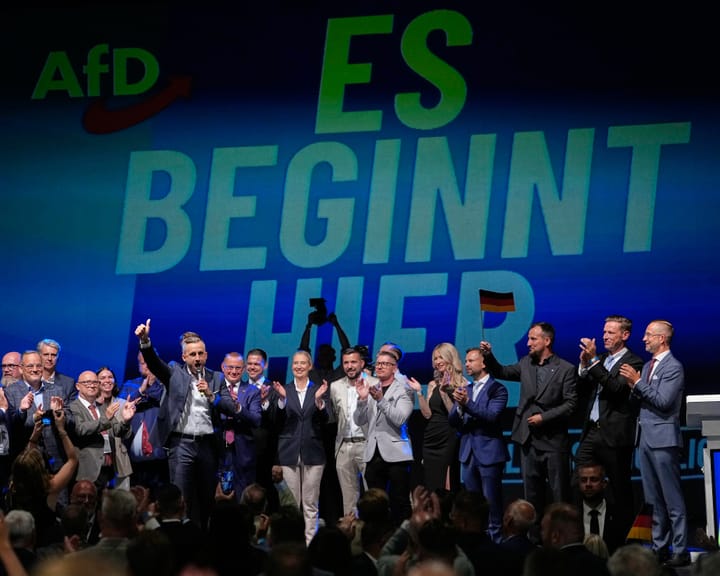
Europe's centrist powers alarmed as Germany's far-right AfD secures state victory, raising fears of rising nationalism
AfD Doubles Its Vote Share in Saxony-Anhalt as the German Centre Collapses
Alternative für Deutschland (AfD), a party that has used Nazi symbolism, distinguishes between “biological” and “passport” Germans, and has been rejected as too extreme by France’s far-right leader Marine Le Pen, nearly doubled its result
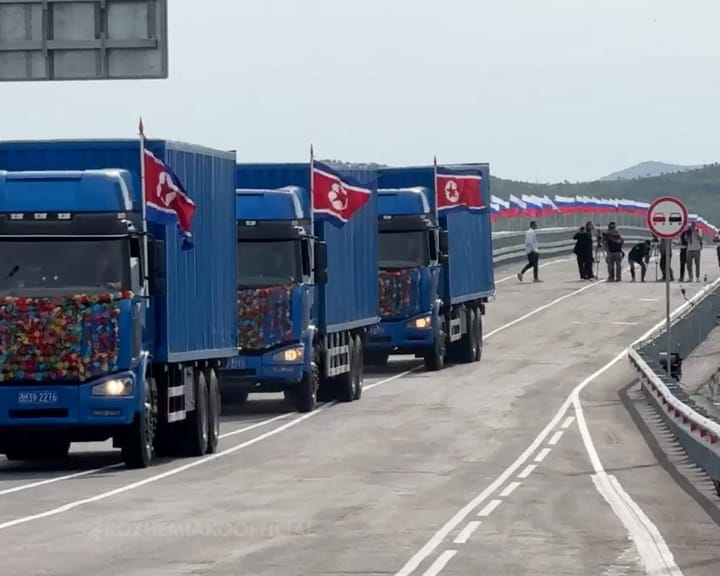
Russia and North Korea Inaugurate Inaugural Bridge Linking Shared Border
Russia and North Korea have opened the first road bridge across their shared border, in the latest sign of the rapidly deepening ties between the two countries since the start of the war in Ukraine.
The one-kilometre bridge spans the Tumen River between Khasan in Russia’s far east